Alarm bells sound as River Murray is listed as critically endangered
The listing must be backed with action if it is to be saved, environmentalists say.

This story is now free to read. Help Murray Bridge News tell more stories like this by subscribing today.
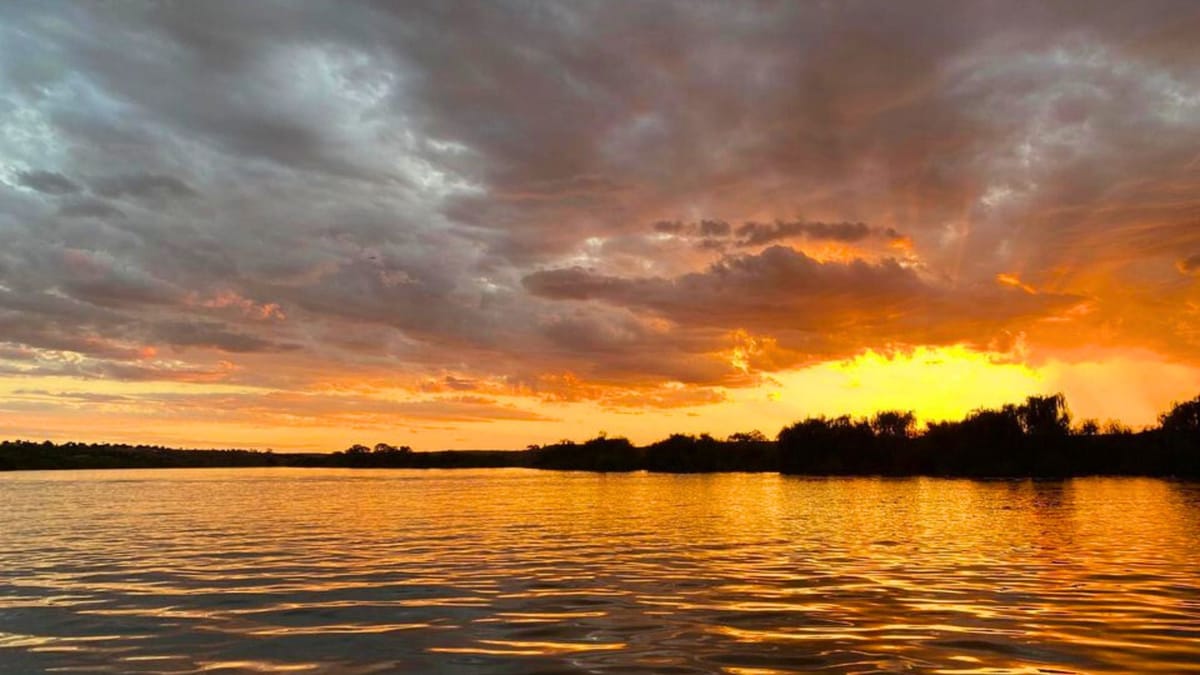
Australia’s greatest river system is in serious trouble, conservationists say, as parts of it are formally listed as critically endangered.
The Lower River Murray has been listed by the federal government under national environmental law following a recommendation from the Threatened Species Scientific Committee.
The environmental listing will cover the region from where the Murray meets the Darling River in New South Wales, along the Victorian border and through to South Australia.
It will include waterways, flood plains, wetlands and vegetation.
The Lower Murray was previously briefly listed as endangered after the Abbott government repealed the Rudd government’s 2013 designation.
The listing was an “alarm bell” rather than a win and all Australians should be shocked at the health of the river, Nature Conservation Council of NSW chief executive Jacqui Mumford said.
“This listing gives Australia a second chance to do the right thing ... now governments must prove they are serious about saving the Murray,” she said.
“(It) is only meaningful if governments deliver the environmental water as promised, stop approvals that worsen damage and invest in real restoration on the ground.”
The committee’s recommendation for the endangered listing stated the area had faced pressures from changes in water flow, invasive species and the loss of native vegetation – threats compounded by climate change.
The listing would allow for a co-ordinated response from all levels of government to protect the area, federal Environment Minister Murray Watt said.
“Despite the efforts of governments and communities, the Lower Murray remains under great stress and we need to do more to protect it and restore it,” Senator Watt told reporters at Goolwa on January 15.
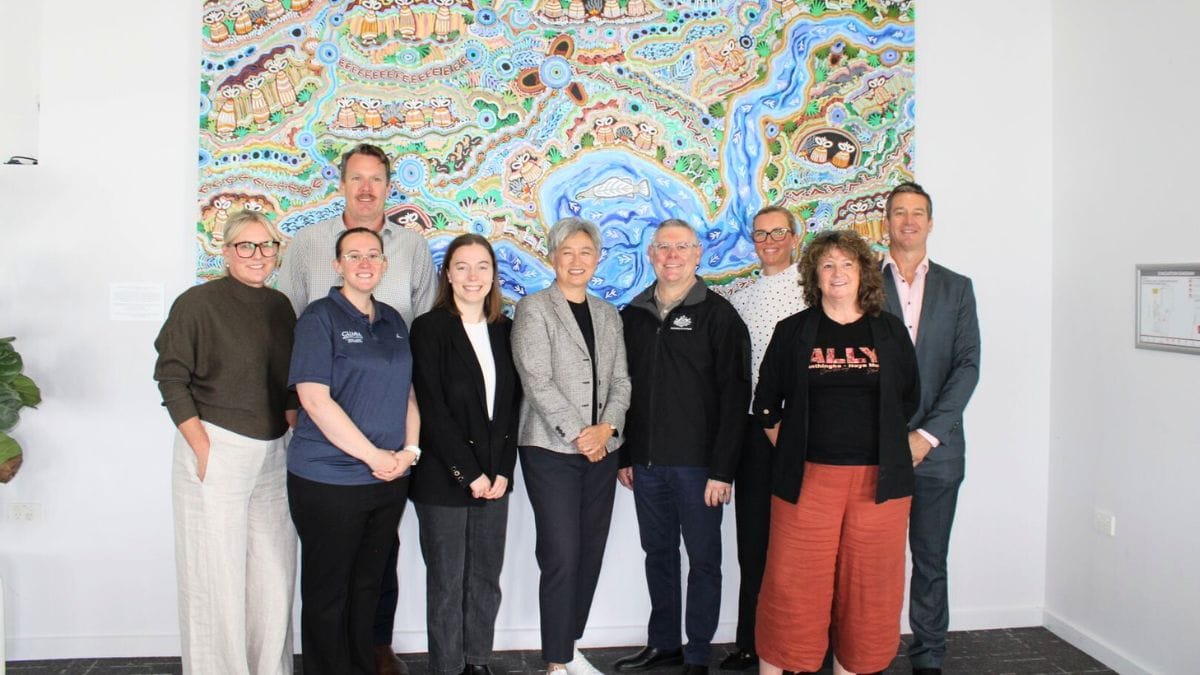
Senator Watt said the listing would not prevent farmers from conducting regular tasks on properties in the region.
Major developments proposed for the Lower Murray would require a more rigorous assessment of their environmental impact.
“Impacts from upstream river management decisions taken last century, along with the devastating impacts of natural events like the millennium drought, have placed enormous pressure on ecological communities in this section of the southern basin,” Senator Watt said.
The National Farmers’ Federation said the area was already too tightly regulated and the listing would create “unnecessary duplicative complexity”.
“We’re still trying to understand the detail of this decision, but right now it’s unclear why more red tape is needed,” the federation’s water committee chair, Malcolm Holm, said.
The Murray-Darling Conservation Alliance welcomed the decision.
“This listing is long overdue and it is enormously significant with the public phase of the 10-year review into the basin plan about to kick off,” the alliance’s co-national director, Craig Wilkins, said.
“It recognises the River Murray is not just a water supply or economic resource, but a living ecosystem whose health underpins public health, regional livelihoods, cultural connection and community wellbeing.”
Northern NSW’s Macquarie Marshes have also been listed as endangered.
“Together, the Lower Murray and Macquarie Marshes ecosystems are a Noah’s Ark for wildlife,” Humane World for Animals Australia’s Nicola Beynon said.