Adrian Pederick reflects on 20 years in parliament: ‘It has been a privilege’
As the outgoing Liberal Member for Hammond cleans out his office, we ask: what are the achievements of which you’re most proud?

This story is now free to read. Help Murray Bridge News tell more stories like this by subscribing today.
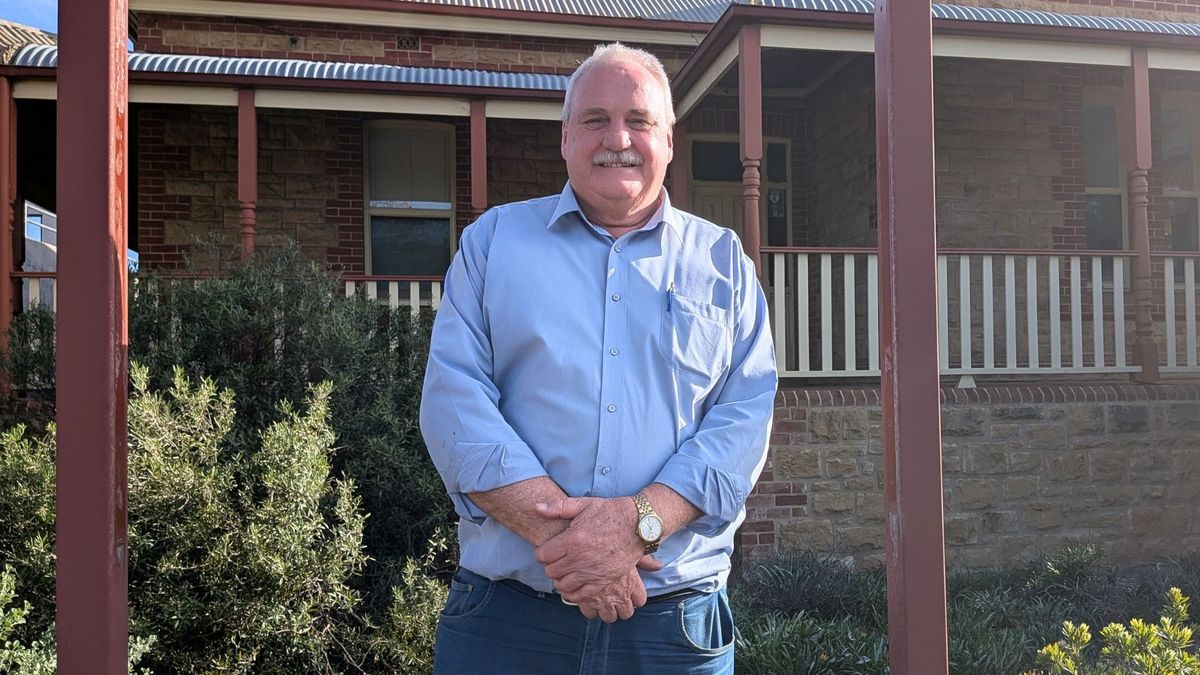
On the afternoon after the election result has become clear in Hammond, after 20 years in office, Adrian Pederick is already loading furniture onto a trailer.
Separated into pieces is a dark timber table which once belonged to Premier Steele Hall, the same one around which South Australia’s government ministers made all their major decisions between 1968 and 1970.
It was already a relic of another era by the time Mr Pederick rescued it from a rubbish pile at Parliament House, years ago.
Now, all of a sudden and with little fanfare, his own political career is over, too.
“Once you’re dead, you’re dead,” he said with a wry chuckle.
“Once you’re gone, you’re gone.”
The outgoing state MP spent 20 years in office – five terms – in an age when winning one or two is a real achievement for most.
He had realised “long ago”, he said, that he was unlikely to get a sixth term in office, as both One Nation and Labor targeted his traditionally Liberal seat.
While he did not concede defeat until all the votes had been counted, he ultimately finished third this time around.
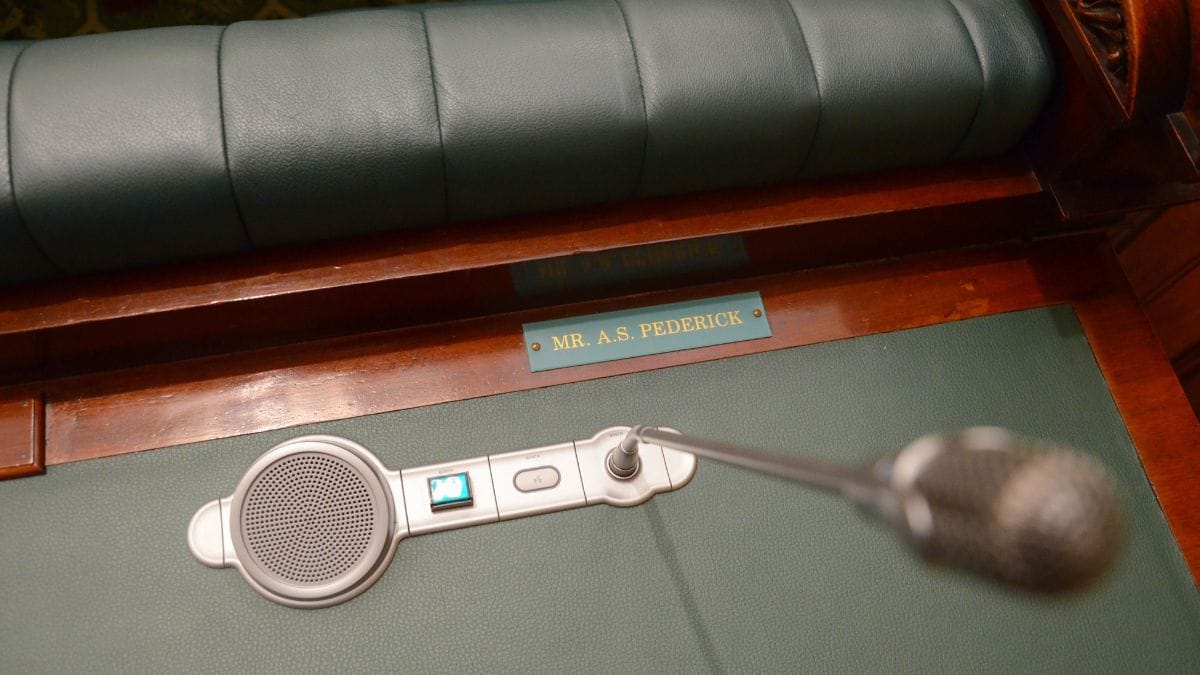
What did Adrian Pederick achieve for us?
Asked to name some highlights from his two decades in office, Mr Pederick spoke first about the challenging times during which he’d filled a leading role, including the Millenium Drought, Mobilong Prison’s expansion and the 2022-23 floods.
The achievements of which he was most proud included:
- Wellington weir: His opposition helped defeat a 2006 proposal to block the River Murray at Wellington, which would have devastated the Lower Lakes and Coorong
- Grain handling industry: He prompted a 2010-11 inquiry which standardised the use of falling number machines in South Australia, a more accurate way of measuring the quality of a grain harvest and ensuring fair payment for farmers
- Gifford Hill: While the Liberals lost the 2014 election, at which they had promised $20 million for the racing and housing development, he convinced the government to offer a $5 million loan to get Murray Bridge’s new racecourse built
- Finn’s Law: Seven years of advocacy led to a 2015 law change granting extra rights to foster parents who suffered the death of a child in their care, based on the experience of Murray Bridge foster mum Monica Perrett
- Infrastructure spending: During his only term in government, from 2018-22, Murray Bridge secured a new hospital emergency department, repairs to the 1879 road bridge and a major new building at the public high school
He was glad, too, that an Adelaide Metro service to Murray Bridge was finally on its way – after all, public transport had been the subject of the first question he ever asked in parliament back in 2006.
He was grateful to have travelled the world as a representative of South Australia, participating in fact-finding missions about nuclear waste in Europe, grain handling in Canada, fracking in the United States and trade in China.
He reminisced, too, about the MPs from both sides of politics who had shaped his career: Paul Holloway, the late Bill Nankivell, Jack Snelling, the seven Liberal leaders under which he had served, and many others.
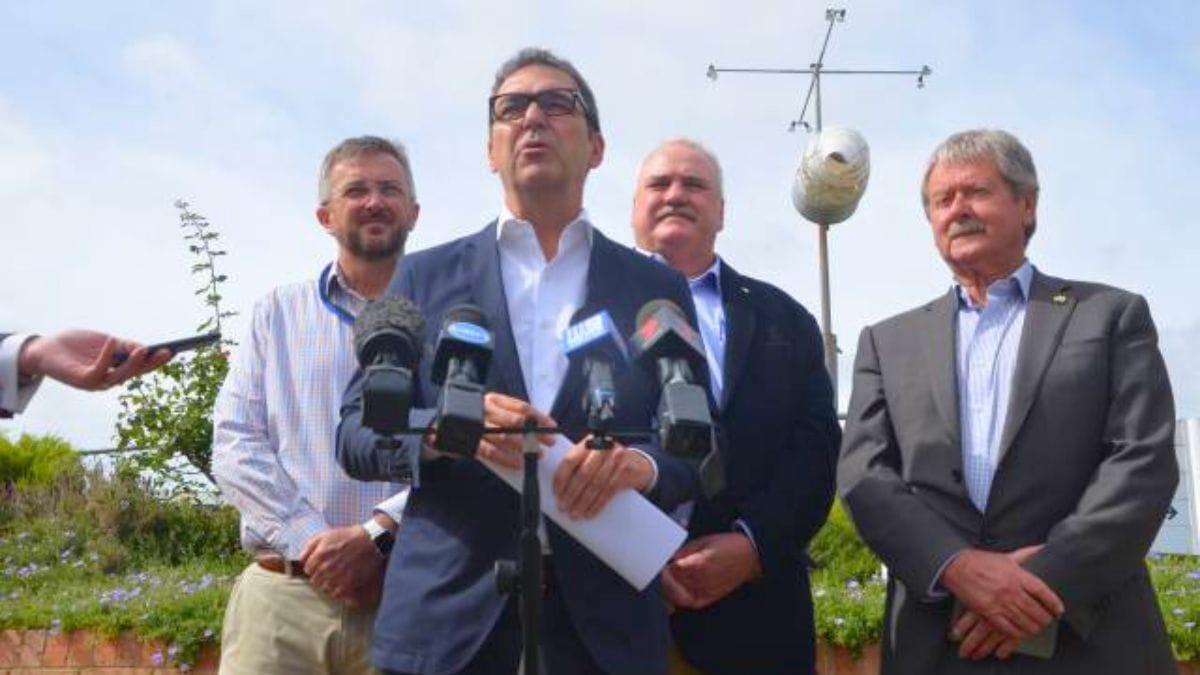
What advice would he give a new MP?
On his own first day in parliament, Mr Pederick remembered, members on both sides of the chamber had roared their approval when the new Member for Hammond was introduced – “they were sick of (Peter) Lewis”.
While new MP Robert Roylance might not get exactly the same reception, his predecessor wished him well.
Asked what advice he would offer to the next member, he gave another weary laugh.
“Work hard and alert your family you’re not going to be home,” he said.
“Get good staff … don’t be scared to ask questions of MPs in Parliament, or the clerks, and do the best you can for the community.
“Community is what counts the most.”
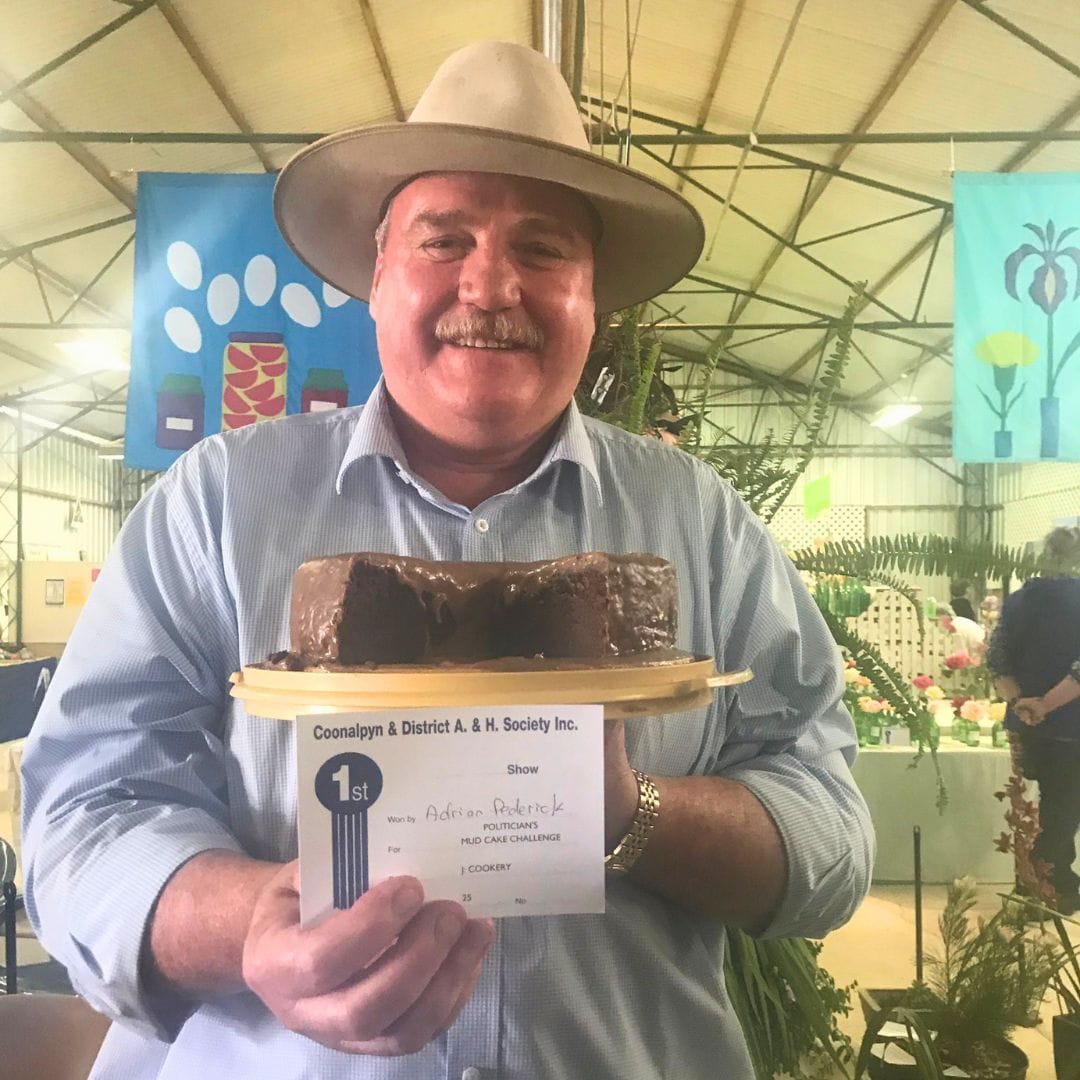
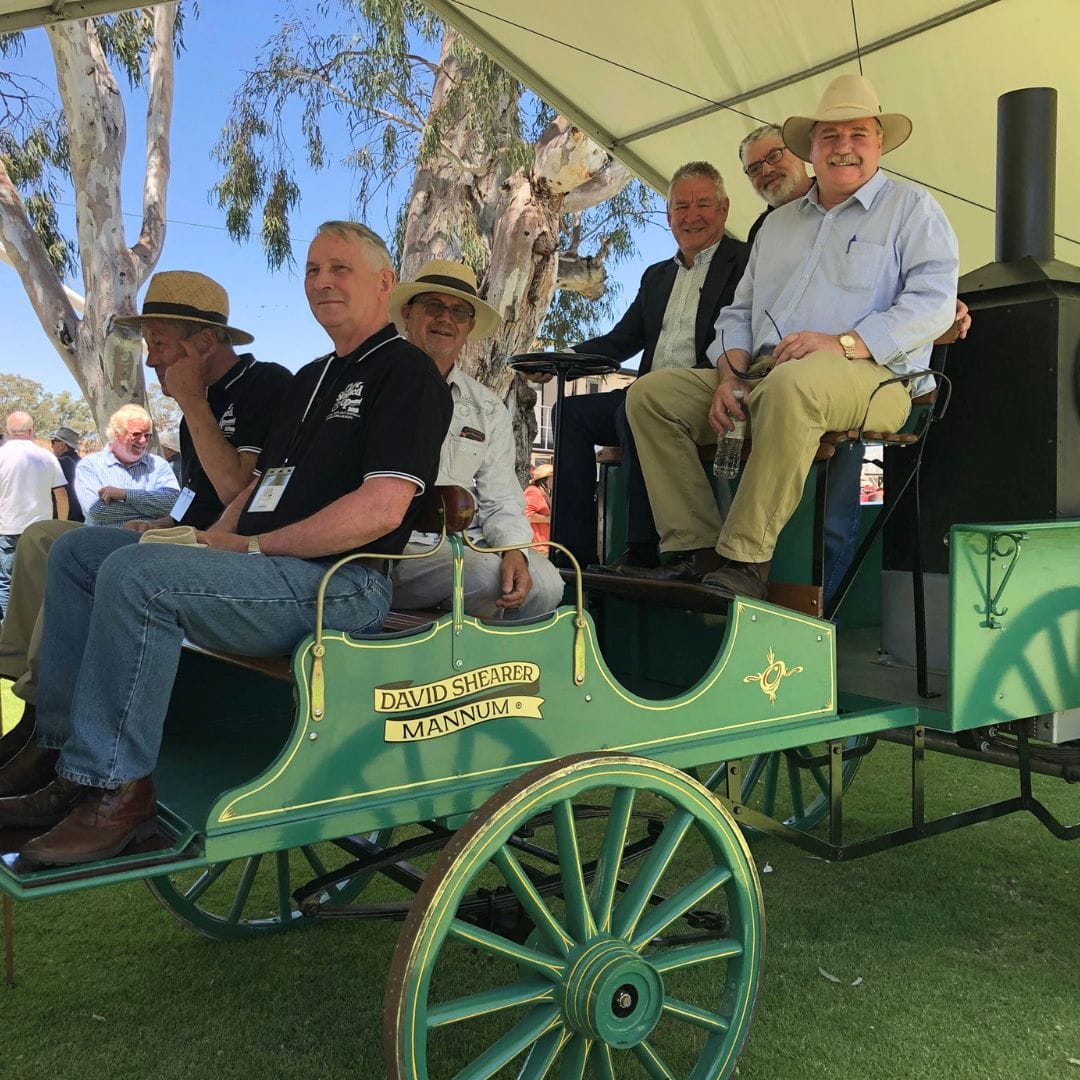
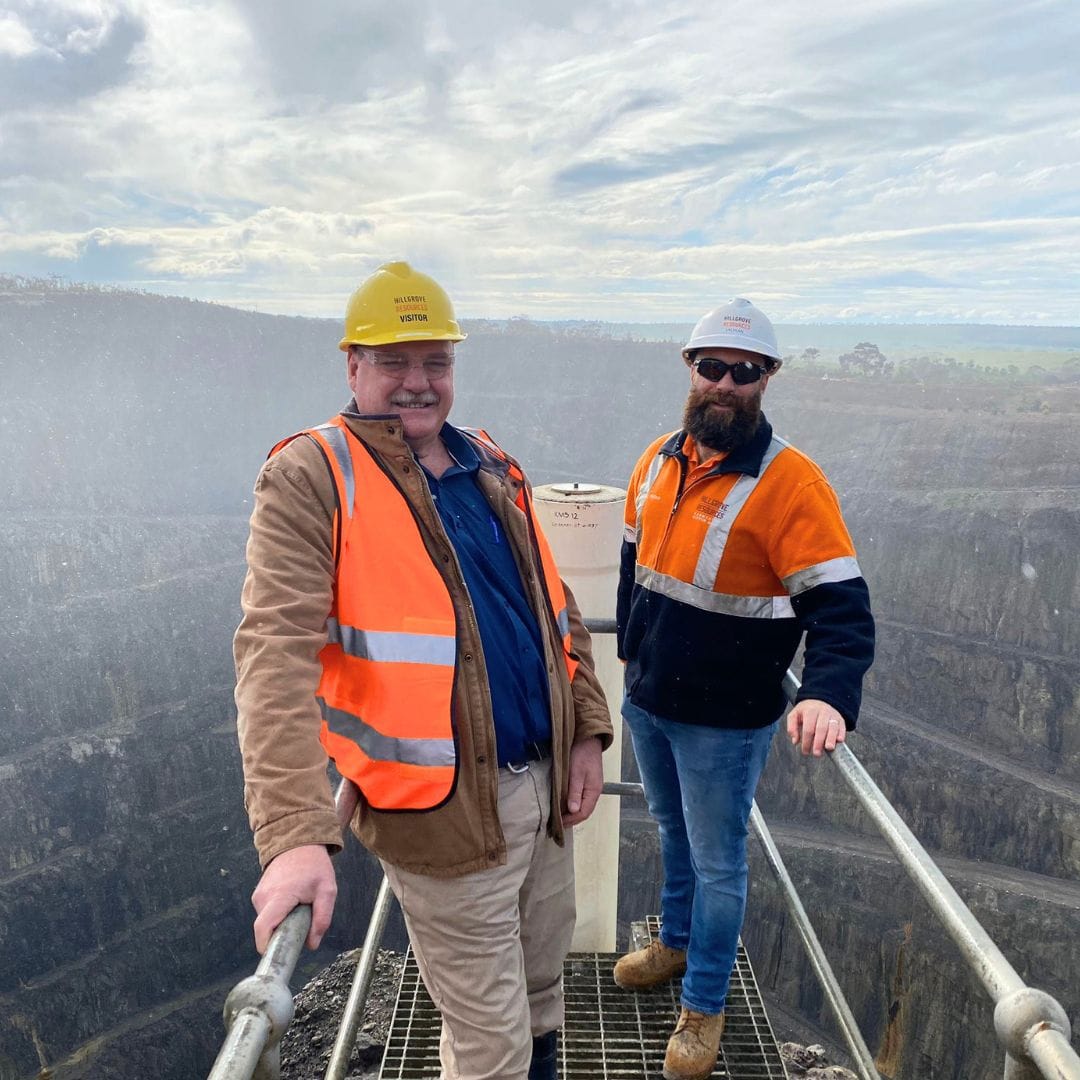
Adrian Pederick wins the politicians' mud cake challenge at the Coonalpyn Show, rides a steam car at Mannum's All Steamed Up Festival and visits the copper mine at Kanmantoo. Photos: Adrian Pederick/X.
Like some other jobs, no two days as an MP were ever the same, he said, and some were tougher than others.
It was a busy life, too, with work all week and public functions all weekend, and his boys had grown from toddlers into young men while he’d been busy – “but that’s the job”.
As a non-government MP, he advised Mr Roylance to learn how to strike a deal: “When you’re in opposition, you can’t do much else”.
He declined to offer any advice to the Liberals who remained in Parliament, but had a word of warning for Labor: One Nation was probably coming for them, too.
What’s next for Adrian Pederick?
Asked what he planned to do in his post-political years, Mr Pederick was unsure.
He hoped to continue living on the family farm at Coomandook for as long as he could, though the business itself had been running just fine without him.
He planned to keep working in some capacity.
“I’m actually excited about the next phase, partly because I don’t know what it is,” he said.
“(David Basham) rang me the other day and said he needs a chaser bin driver in Queensland, I said ‘hold that number’ – everything’s on the table.
“Honestly, I never had a plan B … and that doesn’t faze me.
“I did hear the trade assistants on the Torrens to Darlington (project) are getting quarter of a million dollars … if that’s true, hell, I’ll handle grinders or welding rods or hang on the hook of a crane.”
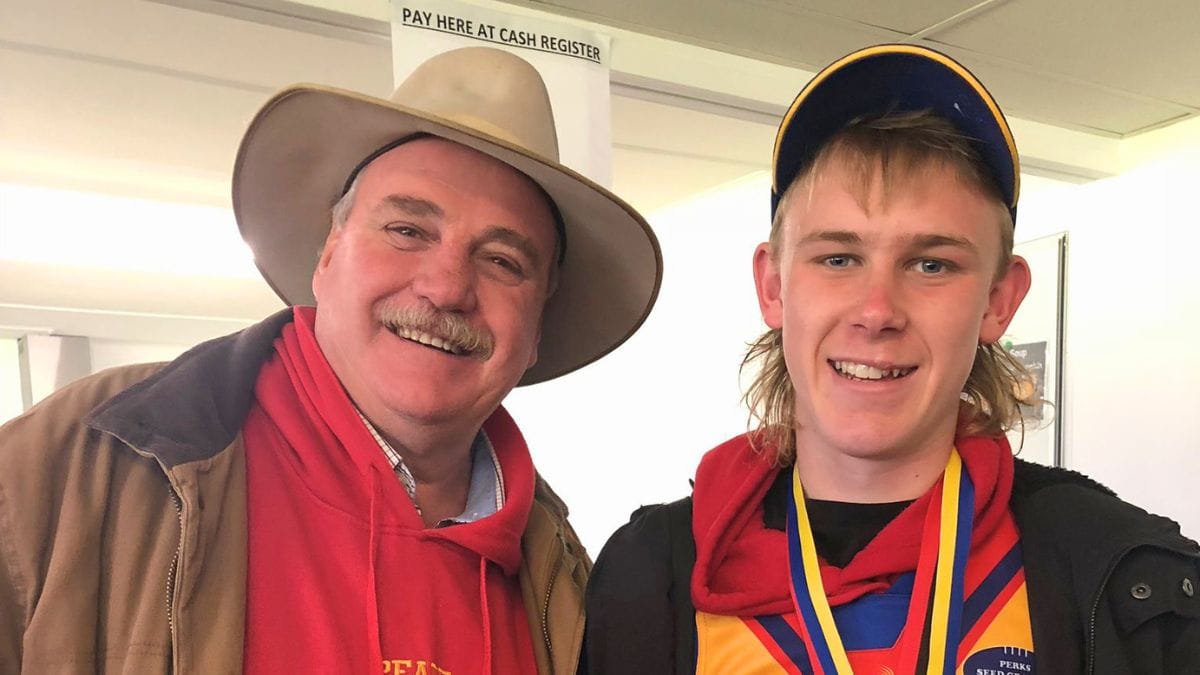
He reflected with some sadness on the fact that, having seen what the job had cost him, neither his sons or any of his staff would ever consider running for office themselves.
Still, he described his parliamentary career as a great ride.
“It’s been great to help people, whether it’s been individuals, communities, the electorate or the state,” he said.
“Sure, you get tough days, but the good stuff outweighs the tough stuff, and I think we’ve made a mark.
“It has been a privilege.”