Tungkillo data centre condemned by protestors as Quantum DC declines to show up
The proponent of a planned “compute and energy hub” in the Mid Murray district has proven a no-show at two public meetings.

This story is free to read. Help Murray Bridge News tell more stories like this by subscribing today.
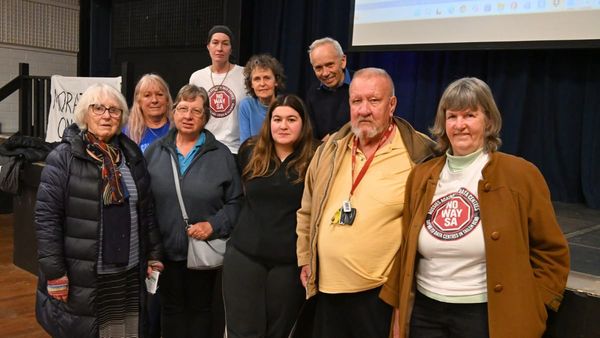
Hundreds of residents have expressed their anger about plans for a data centre at Tungkillo at two public meetings during the past week.
Proponents Quantum DC pulled out of both last Thursday’s meeting at Tungkillo, due to a reported bomb threat, and a Saturday meeting at Mannum, “in light of recent events”.
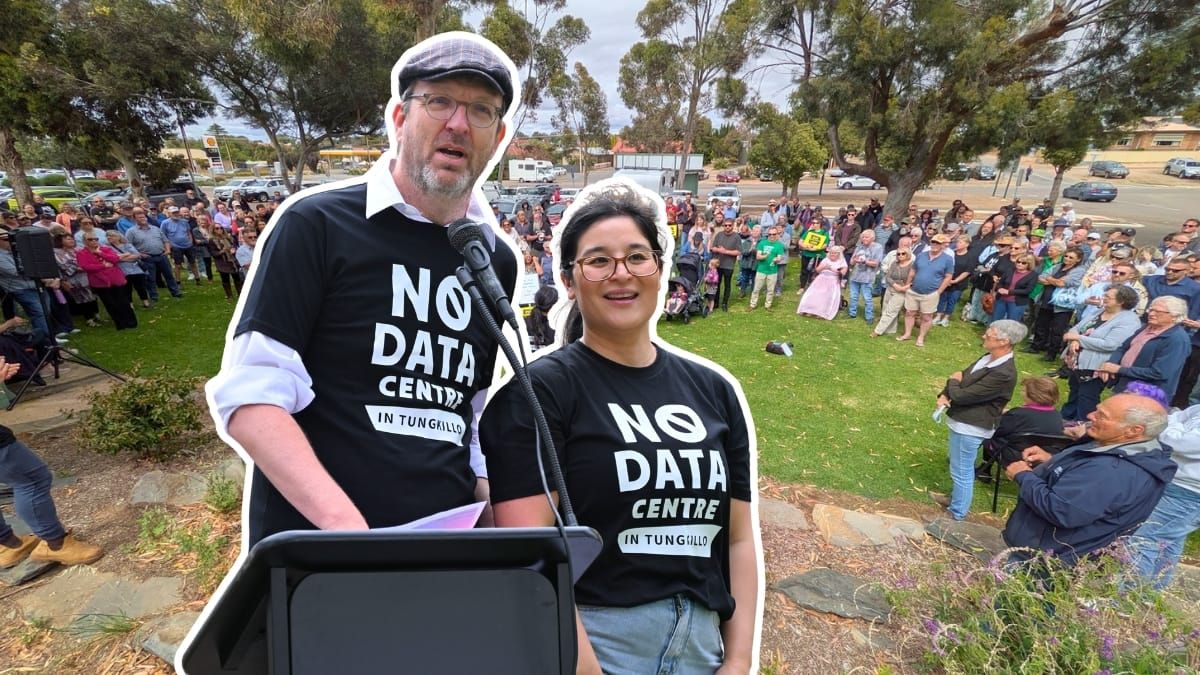
But public gatherings went ahead in both towns anyway as hundreds of locals expressed their anger about the proposed industrial development.
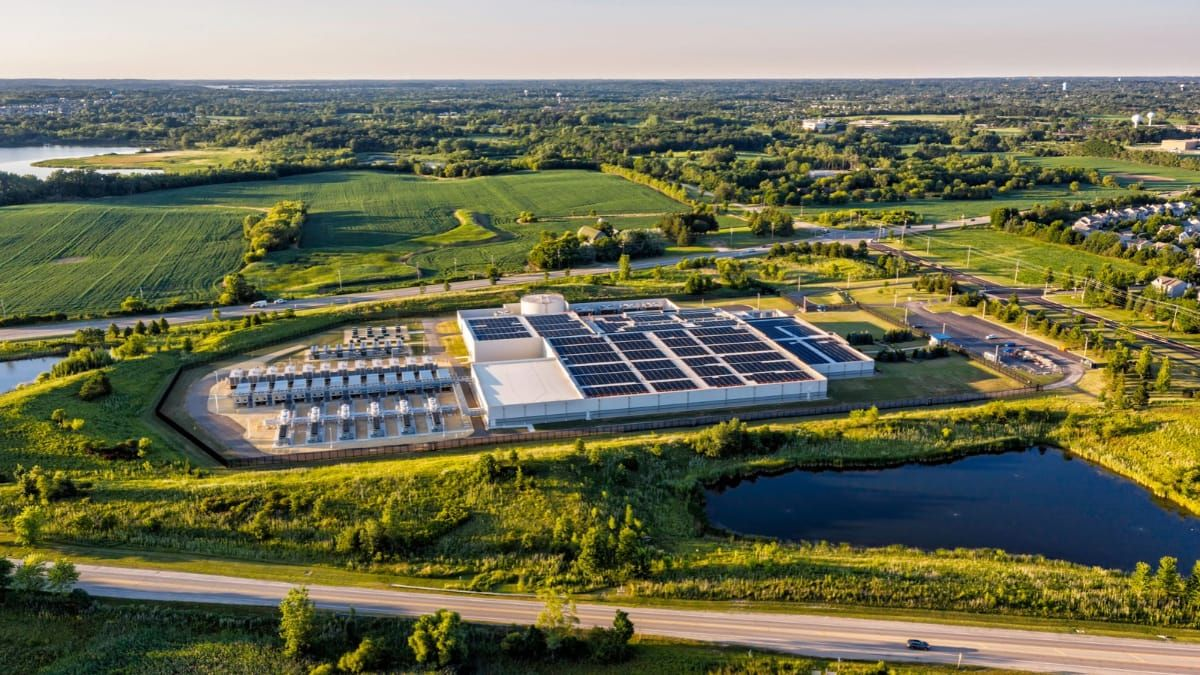
The hyper-scale data centre on Collins Road would consist of three warehouses full of working IT equipment, plus a full-size gas power plant and supporting infrastructure.
In a document uploaded to their website over the weekend, Quantum DC said the Tungkillo site had been chosen because of its proximity to high-voltage power lines, a gas main and a fibre optic data connection.
The company responded to some common concerns:
- Water: The facility would use a closed-loop cooling system which would not require continuous water consumption; it would mostly use rainwater, and though the company did not explicitly rule out the use of a bore, it said “operations do not rely on groundwater”
- Power: The facility’s enormous needs would be equivalent to about three quarters of South Australia’s current power consumption – almost 10,000 gigawatt hours per year – if all three proposed data halls end up being built; 20 per cent of that would be met by an on site gas turbine plant, which would have to be the biggest in SA, and the rest by new solar and wind generation elsewhere in the state
- Jobs: About 600 workers would be required during construction, which would last until 2031, and 200 would be needed on an ongoing basis; some could be trained at the soon-to-be-built Murray Bridge Technical College
- Noise, air and light pollution: Specialist assessments will be made public when Quantum DC formally files a development application with the state government; the company noted that its site was five kilometres outside the boundary of the River Murray International Dark Sky Reserve
- Fire risk: “The project will be required to meet the relevant fire safety, emergency management and planning requirements … operational procedures and emergency response plans will be developed before operation”
The company committed to publishing a summary of the feedback it had received alongside the other documents that would make up its development application.
The state government, not the Mid Murray council, will be responsible for approving or rejecting Quantum DC’s proposal.
Community meetings vote no to data centre
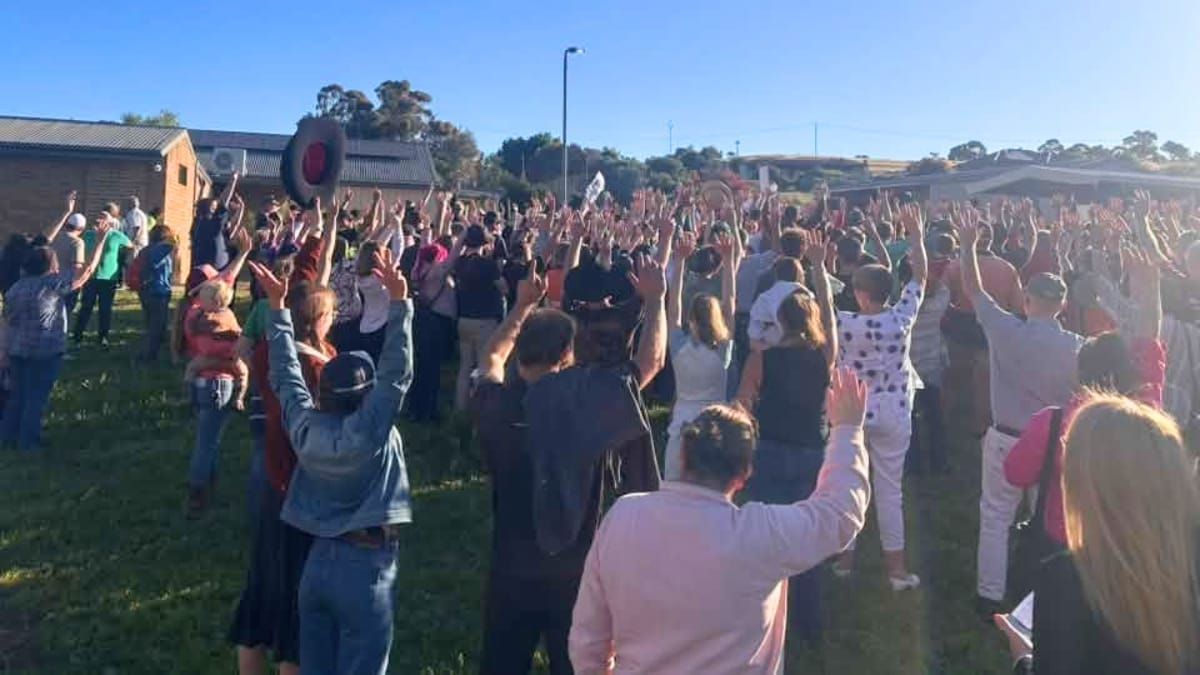
About 600 opponents of the development reportedly gathered outside the Tungkillo Soldiers’ Memorial Hall on Thursday.
Community organiser Matt Loader said those assembled had unanimously declared their opposition to the data centre, and called for state Planning Minister Nick Champion to torpedo the proposal.
Among those present was state Opposition Leader Ashton Hurn, who urged both Quantum and the government to get out and listen to local people.
“Locals deserve to be heard, they deserve all the information before any decisions are made, and their concerns must not be bypassed by any fast-tracked government process,” she said.
Another 250 people were at Mannum on Saturday as speaker after speaker queued up to criticise the idea.
Agricultural contractor Kym Gladigau, who had worked on the very property where Quantum DC planned to build, argued that it was a food production area where people expected a quiet rural lifestyle.
“This is an industrial development and it deserves to be in an industrial area,” he said.
“Farmland (is) for farming.”
Landcare volunteer Karen Ashford expressed deep distress about the idea of a gas power plant being built in the hills, disrupting fauna and contributing to climate change.
“(Data centres) represent an inequitable bargain where local resources are exploited with minimal local return,” she said.
“Communities shoulder all the burdens while tech giants reap the profits.”
Farmer Maurice Collins – for whose family the road was named, based on their 140-year association with the area – was concerned about the potential loss of Aboriginal heritage.
Health and safety expert Janet Denman spoke in alarming terms about the risks she believed the data centre would pose, arguing that the consequences of a disastrous fire would be too great to bear even if the chances of one happening were slim – and still not as slim as locals might like.
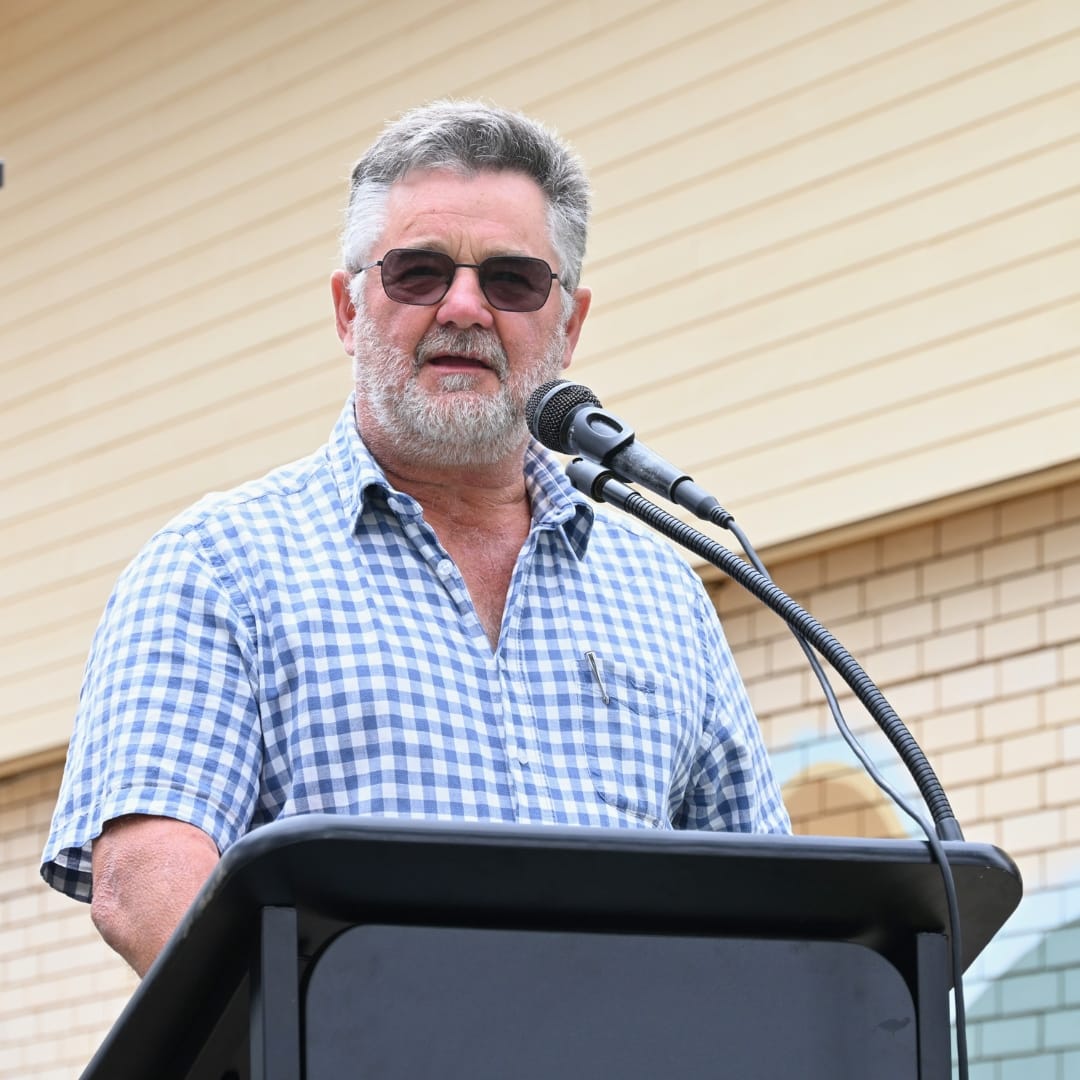
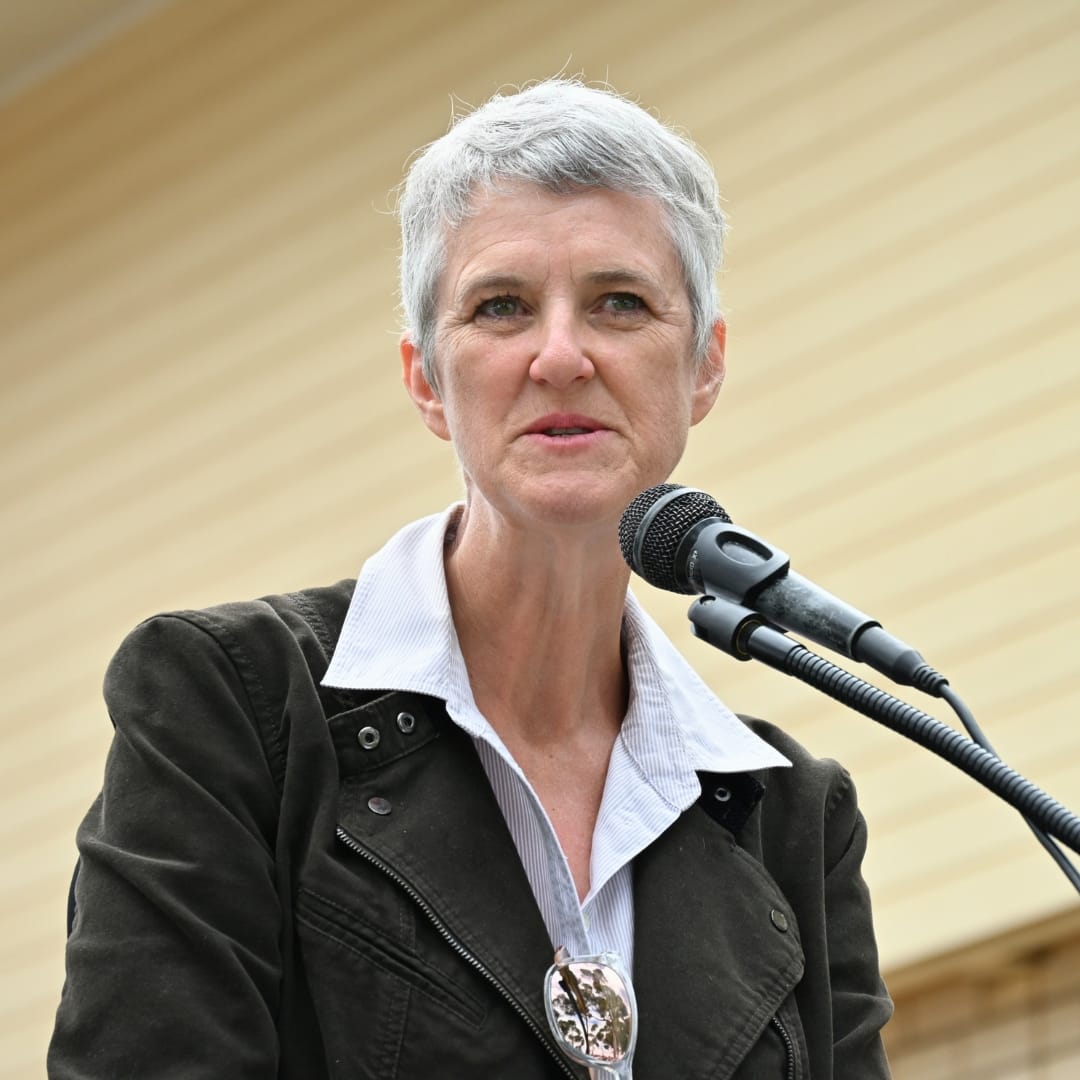
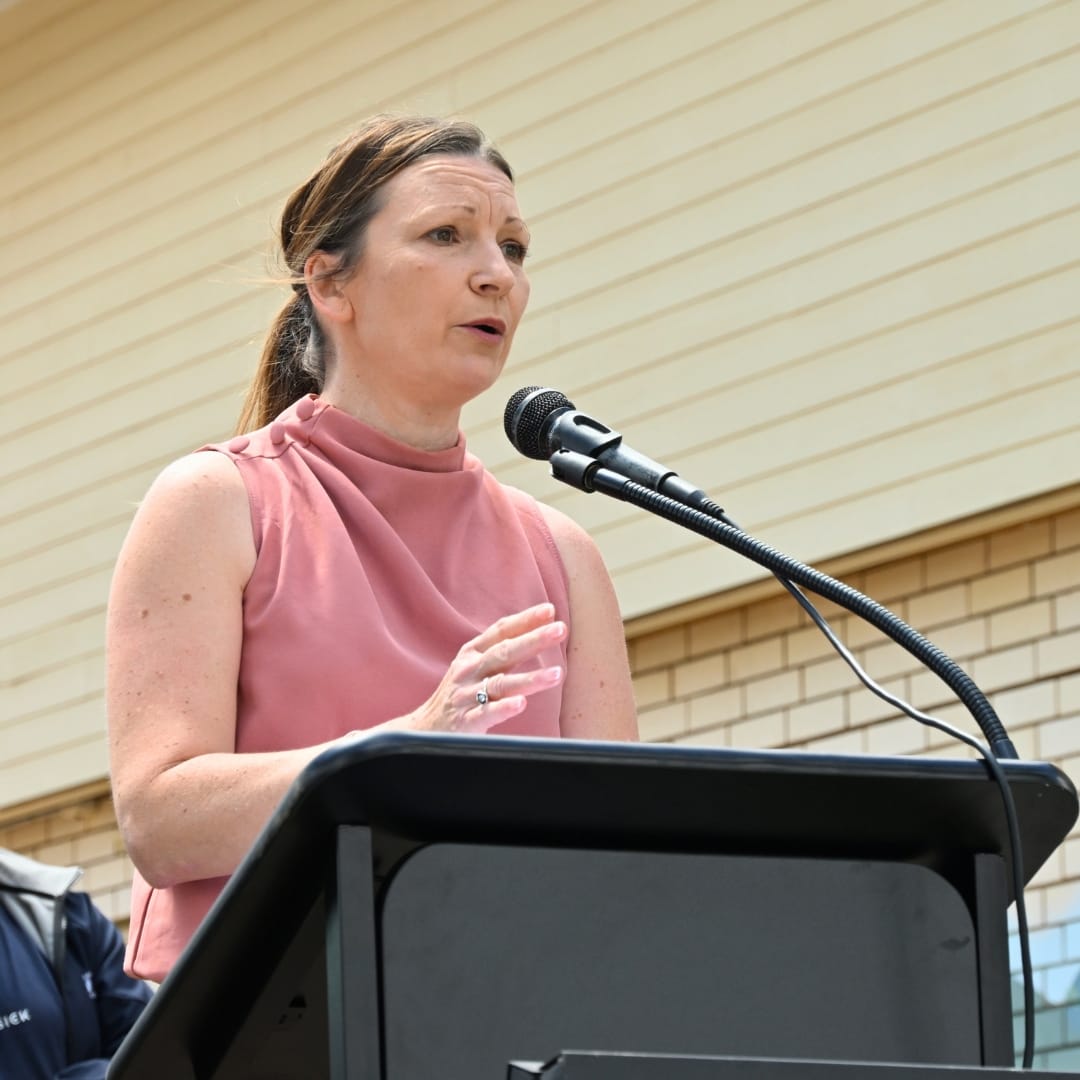
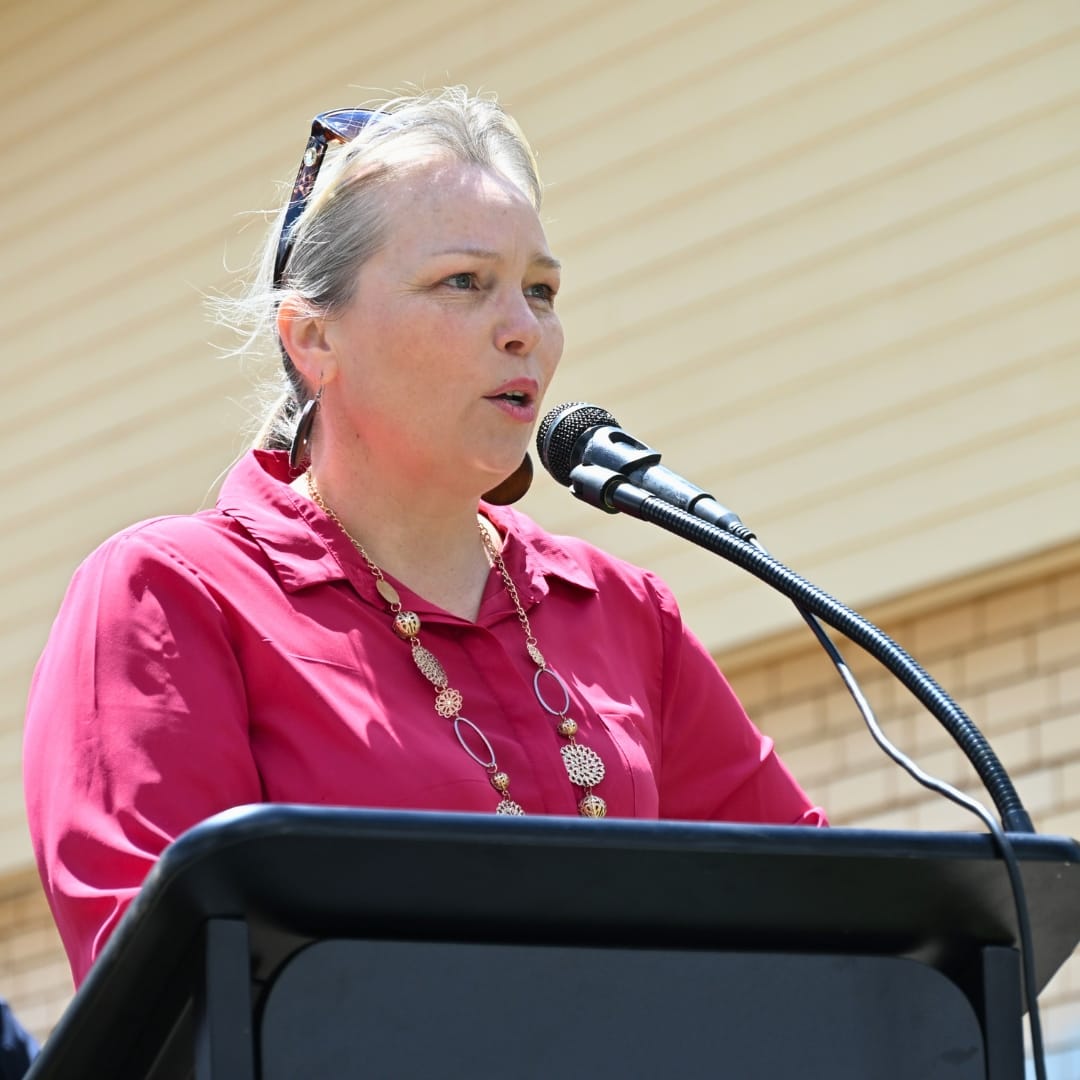
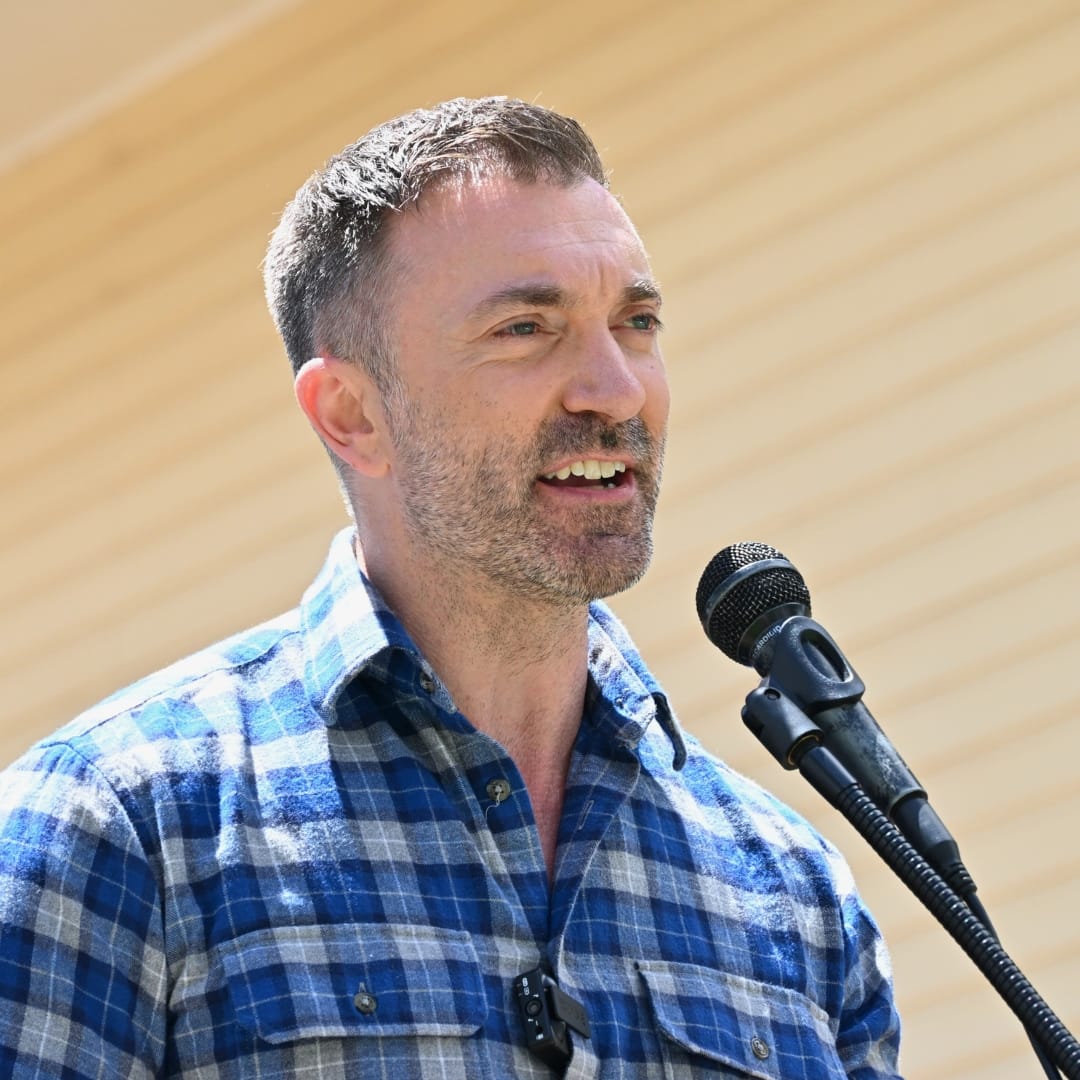
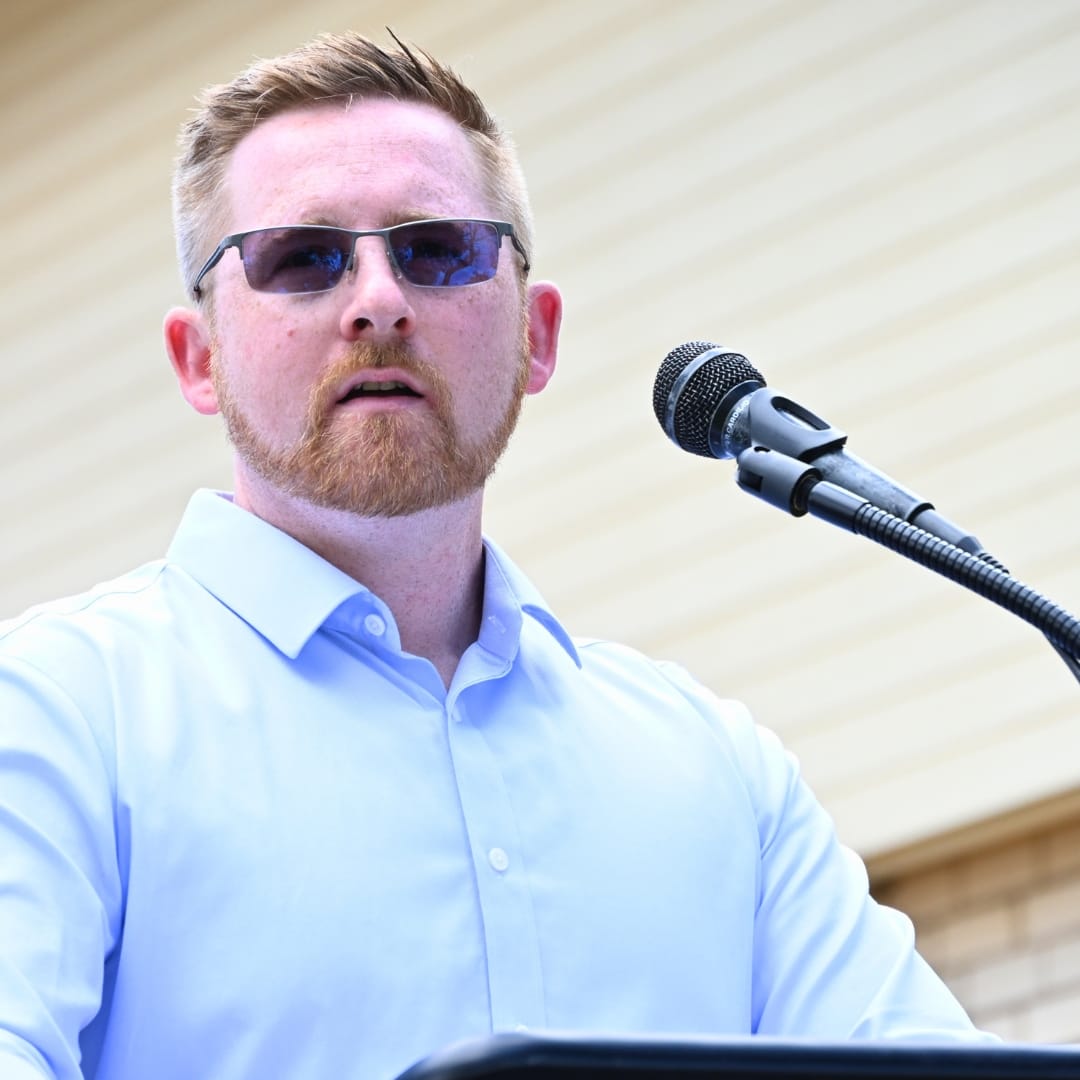
Taking turns to speak on Saturday are Kym Gladigau, Karen Ashford, Nicola Centofanti, Simone Bailey, Robert Simms and Robert Roylance. Photos: Peri Strathearn.
State MPs from the Liberal opposition, One Nation and the Greens all expressed varying levels of concern:
- Liberal Nicola Centofanti urged the state government not to fast-track the proposal, and to include data centres in an upcoming Royal Commission into AI
- The Greens’ Robert Simms urged the federal government to put a moratorium on all data centre development across Australia, and the state government to listen to locals: “this is your land, your water … you should be determining what happens in your community”
- One Nation’s Carlos Quaremba argued that the development would only siphon tradies away from building much-needed housing, while Robert Roylance invited Quantum to submit to “authentic public scrutiny”
Mayor Simone Bailey said the Mid Murray council would need more information before it could make an informed decision about whether to support the company’s proposal.
So far, the council had only received a confidential briefing.
“We call on Quantum DC to engage with us, answer our questions and listen to us,” she said.
Local resident and protest ringleader Magda Lippett slammed Quantum for what she described as its “sneaky” behaviour, favouring “corporate spin” over genuine community engagement.
When the crowd was asked what they thought of Quantum’s decision not to show up on Saturday, they chanted “shame”.
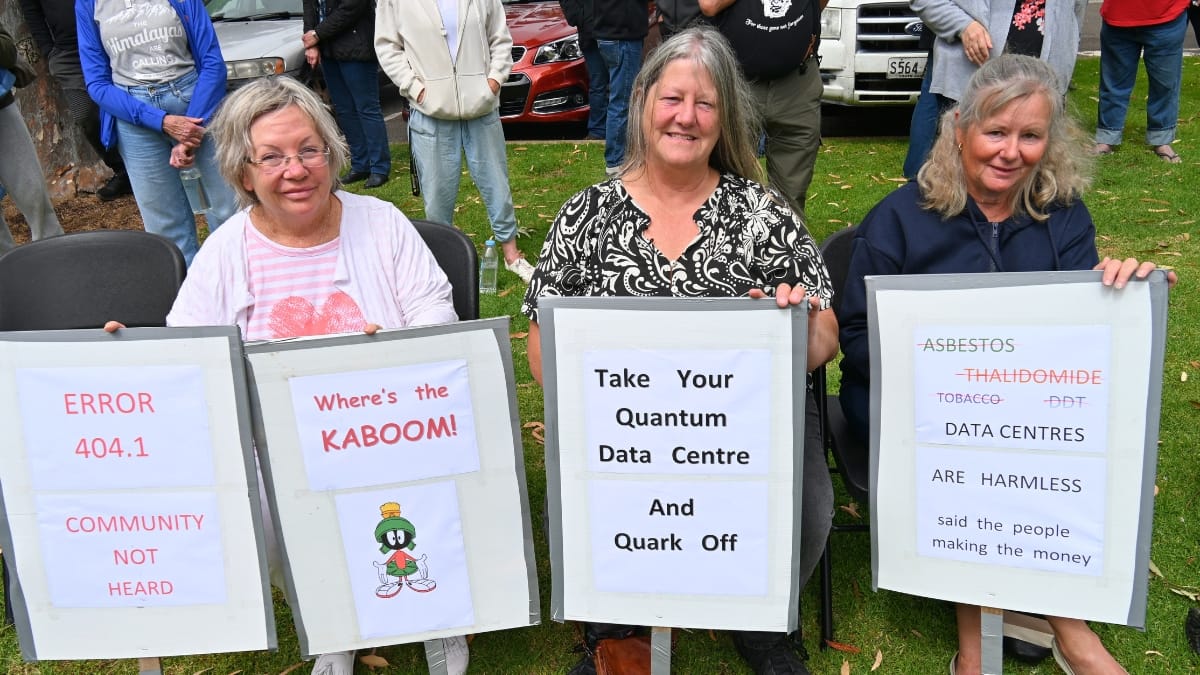
Locals Maree Fuller, Kendra Radford and Fiona McShane brought signs with slogans like “error 404: community not heard” and “let’s trust a real estate agent from Melbourne with the future of the planet, said no-one ever”.
“I believe we’ll end up with data centres around Australia, but we need strict regulations about where they can be, not just plonked in prime farm land,” Ms McShane said.
She would have been willing to listen to Quantum DC’s proposal, she said, “but I got one side of the facts and the other side ran away, so I’ve made my decision”.
Drop-in sessions will be held next month
Three sessions involving the proponents will now be held at Mannum Leisure Centre on November 20 and 21: from 10am-12pm on the Friday and 11am-1pm and 2-4pm on the Saturday.
That venue has a capacity of about 200 people.
Quantum DC CEO Alby Tomassi said the decision to cancel the original meetings had been about ensuring public safety, and making sure “the full range of views” could be heard.
“It is our intent to continue to engage with this community in a way that creates a safe environment,” he said.
The upcoming meetings will include a presentation about the project and responses to community questions.
- More information: For Quantum DC’s proposal, visit quantumdc.com.au/tungkillo. For the protests against it, visit www.stopthehillsdatacentre.com or search for “Say No to the Tungkillo Hyperscale Data Centre” on Facebook.
- Sign the petition: Visit www.change.org or download a hard copy at www.stopthehillsdatacentre.com.