Tiny emu-wrens come home to the Mallee
Seventeen tiny birds have taken flight in a giant leap for conservation at Monarto Safari Park and in South Australia.

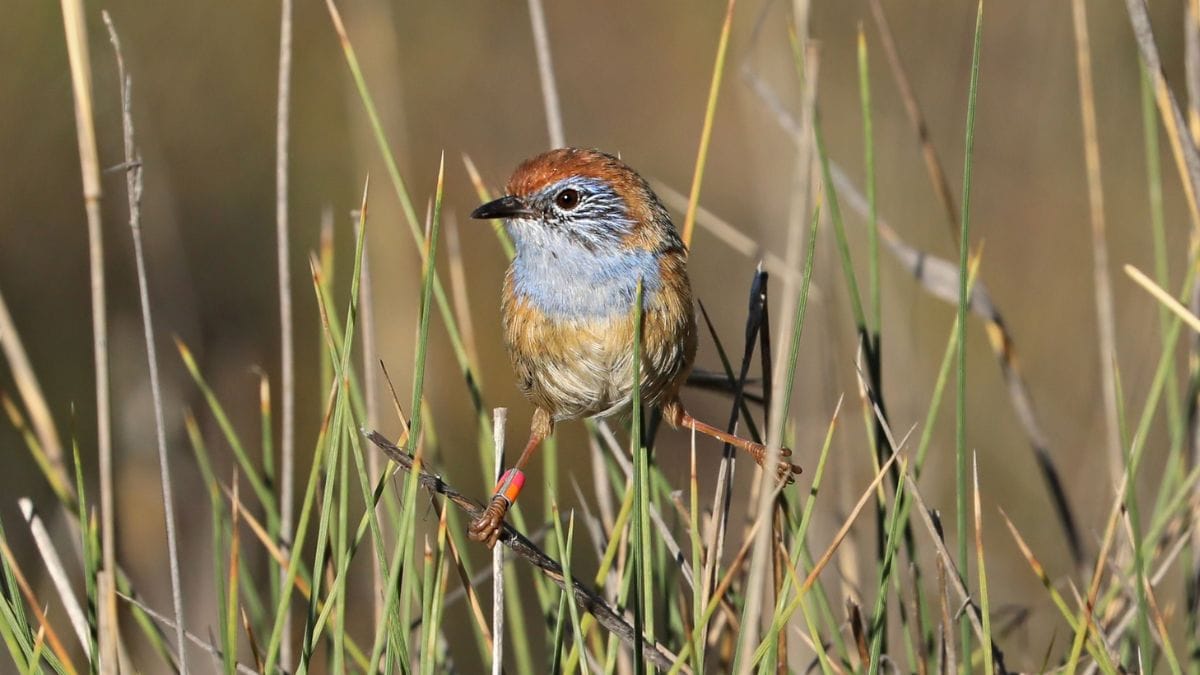
In a landmark moment for Australian conservation, 17 captive-bred mallee emu-wrens have been released into the wild at a carefully selected site in the Mallee.
It is the first time the endangered species has ever been bred in human care and released into the wild.
This pioneering achievement is the result of a multi-year collaboration between Zoos SA, the Murraylands and Riverland Landscape Board and the National Parks and Wildlife Service SA, with support from a Threatened Mallee Bird Conservation Action Plan steering committee.
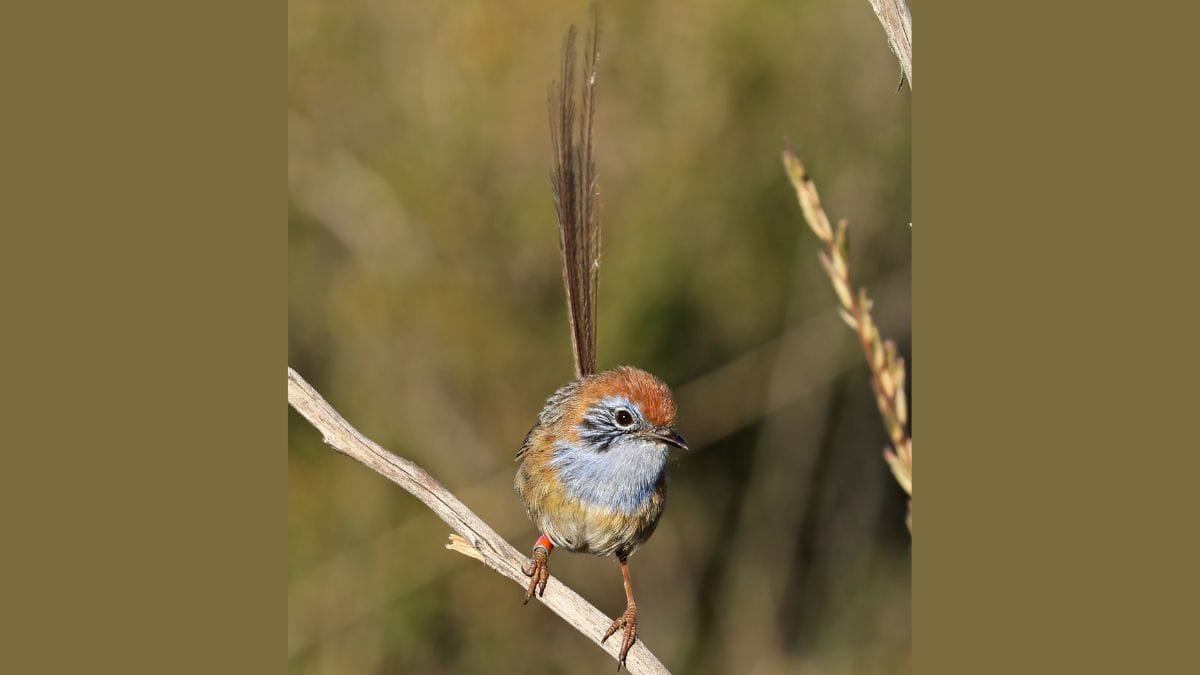
Weighing just 4-6 grams, the mallee emu-wren – stipiturus mallee – is one of Australia’s smallest and most elusive birds.
It was feared extinct in South Australia following major wildfires in 2014, as it's dependent on spinifex habitats in mallee woodlands with healthy mallee, and is closely tied to the regeneration of the habitat since the fires.
In 2023, Zoos SA began the first ex-situ conservation breeding program for the mallee emu-wren at Monarto Safari Park.
After years of careful preparation and husbandry trials with rufous-crowned emu-wrens as a surrogate species, the team achieved remarkable success.
Within just two breeding seasons, the mallee emu-wren population has grown into a thriving captive flock, laying the groundwork for this historic release.
The release of the 17 birds marked a critical first step towards re-establishing a South Australian population and also served as a trial for future wild-to-wild translocations.
Tom Hurley, assistant curator of natives at Monarto Safari Park, said the moment was both emotional and inspiring.
“We’ve gone from not even knowing if we could keep them alive in human care, to seeing them breed successfully, and now, watching them take flight back into the wild,” he said.
“It’s an incredibly proud moment.”
“These birds are tiny, but they represent a huge win for conservation.
“To now see them flitting through spinifex in the Mallee is just magic.”
To support the birds' transition, keepers used feeding stations first introduced inside the aviaries and later installed at the release site.
However, with large numbers of invertebrates in the area, the birds were not interested in the captive food, happily foraging on their own.
This particular mallee landscape was selected for the trial release due to its healthy spinifex habitat, favourable fire history, and its location within the Riverland Mallee key biodiversity area.
The area offered the right structural conditions for mallee emu-wrens to thrive, and will play a vital role in broader efforts to increase the number of secure populations across the Murray-Darling Basin.
Chris Hedger, a conservation ecologist with the National Parks and Wildlife Service SA, said the release was the culmination of years of dedicated work.
“This is a species I’ve worked with for over 15 years, and to see them return to South Australia is deeply moving,” he said.
“This release is not just a recovery milestone; it is a proof of concept for our conservation toolbox.
“The breeding success at Monarto Safari Park means we now have options when it comes to saving this species from fire and other threats.”
The project was guided by the Threatened Mallee Bird Conservation Action Plan, a multi-partner initiative spanning South Australia, Victoria and New South Wales.
The plan aims to establish a new self-sustaining population of mallee emu-wrens by 2033 and ensure ex-situ readiness for future emergencies by 2026.
Rebecca Boulton, a landscape ecologist and chair of the TMB CAP steering committee, said the success of the release demonstrated the power of collaboration.
“The mallee emu-wren has always been a flagship species in our conservation planning,” she said.
“This release is a testament to what’s possible when we bring together scientific research, bold ideas and genuine collaboration, showing we're one step closer to ensuring this beautiful little bird has a future across more of its former range.”
With ongoing support, future releases could see the species re-established in other historic locations across the Murray–Darling Basin.
Preparations underway at Monarto for possible H5 Bird Flu outbreak
Meanwhile, the federal government recently announced an investment of almost $55,000 at Monarto Safari Park to protect the emu-wrens and other species from avian influenza.
Australia is the only continent that remains free from H5 bird flu, and its rapid global spread – primarily through the movement of migratory birds – has led to significant impacts on poultry, wild birds and some mammal species overseas.
Cases have also been detected in people.
If H5 bird flu reaches Australia, it could significantly impact agricultural industries, wildlife, including threatened species, and communities.
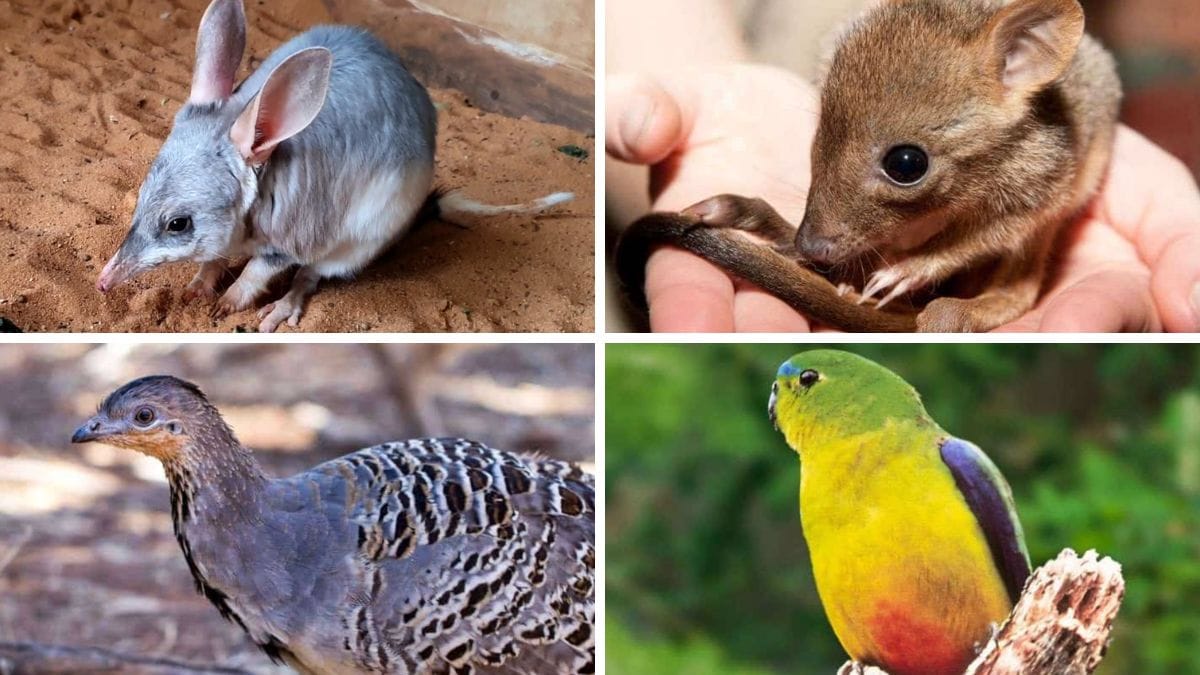
The funding will help the park boost its biosecurity measures and protect the orange-bellied parrot, red-tailed phascogale, regent honeyeater, swift parrot, mallee emu-wren, greater bilby, greater stick-nest rat, plains-wanderer and Tasmanian devil from a potential future outbreak in Australia.
Enclosures and veterinary equipment will be upgraded, medication made available and efforts made to deter wild birds from mixing with those at the park.
Zoos SA senior veterinarian David McLelland said avian influenza could have serious impacts on all kinds of species.
“These projects support precautionary measures to protect threatened species in our care and improve biosecurity preparedness,” he said.
In announcing the funding last month, Senator Marielle Smith said she had long admired the work of Zoos SA.
“I am pleased this funding will strengthen their biosecurity efforts, helping Adelaide Zoo and Monarto Safari Park to continue the important work they do.”