‘Stink city’ fears as composting facility approved at Pallamana
Exclusive: Thomas Foods International has won development approval for an expansion of its Murray Bridge meat processing facility.

This story is now free to read. Help Murray Bridge News tell more stories like this by subscribing today.
Residents worry their lives will change for the worse after a composting facility was approved to be built only a few kilometres north of Murray Bridge.
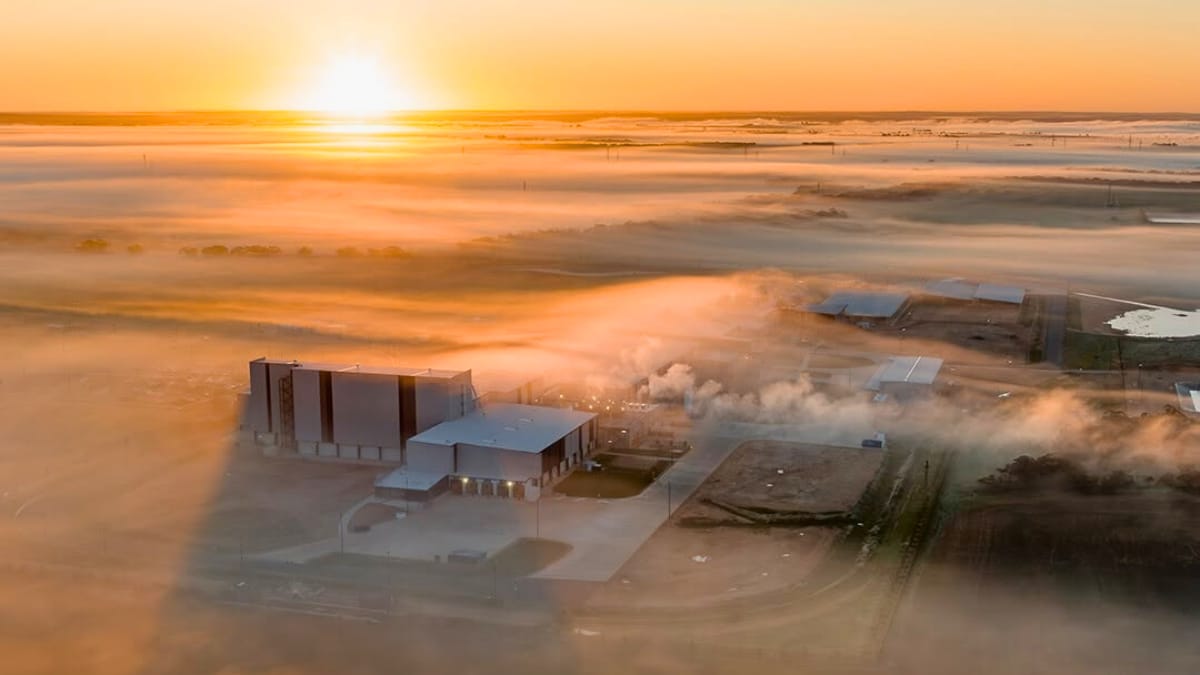
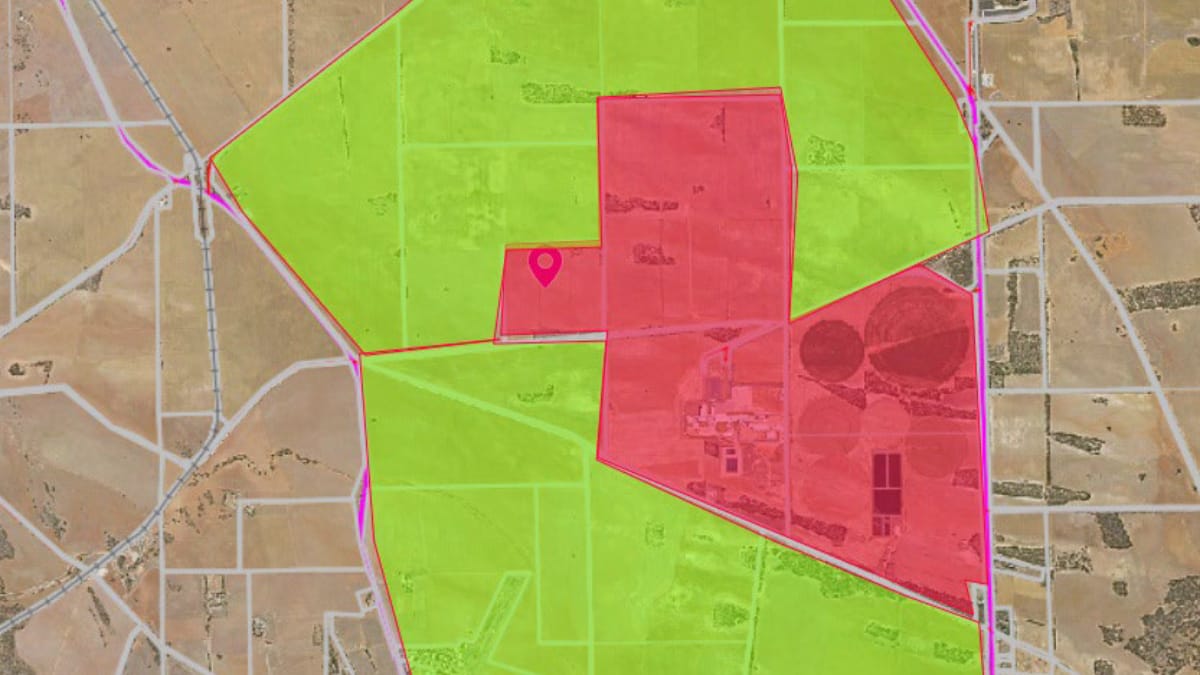
Thomas Foods International last week earned development approval to build the composting plant near its meat processing facility at Pallamana.
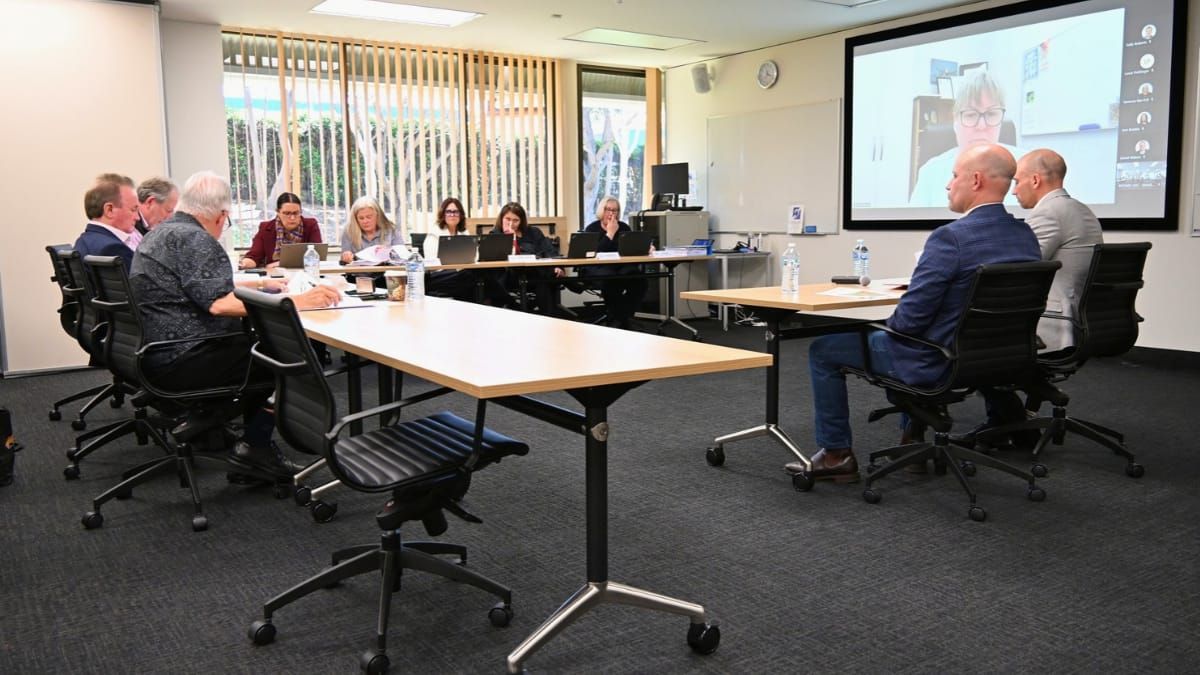
After a marathon meeting at which half a dozen locals spoke against the company’s plans, citing concerns about everything from bad smells to biosecurity, a Murray Bridge council assessment panel approved the development in a 3-1 vote.
Tom Haig, the sole elected member on the panel, was the only one to vote against it.
After years of odour problems in and around Murray Bridge, he argued, TFI had lost the benefit of the doubt.
“The company has to check its history with respect to odour control,” he said.
“It doesn’t give me a lot of confidence.”
However, panel members did spend almost an hour interrogating TFI’s representatives about details of the development.
They also imposed several extra conditions the company will be required to meet, around hours of operation, lighting, fencing and the sources of the material to be composted.
‘Is it “stink city”, we’re gonna call it?’
Opposition to the development was hastily organised among nearby residents, only a handful of whom had been formally notified about TFI’s plans.
The rest found out only when Murray Bridge News wrote about the issue a week before a consultation deadline.
Five residents fronted up to the meeting to voice their concerns about issues including:
- The smell for nearby residents, and even those living in Murray Bridge if the wind blew in the wrong direction
- Biosecurity: Could dust from the facility contaminate nearby farms, including a piggery?
- Information gaps, including the age of the weather data used to predict how far odours would spread
- Scavengers and other birds which could spread the H5N1 flu virus, or even impact operations at the Pallamana airfield
Airborne pathogens were a worry for livestock producers Andy and Ann Dale.
Clem Schubert feared there would be an impact on the health of nearby neighbours, or an increased risk of fire.
Airlie Keen argued that the smell could put Murray Bridge’s growth at risk.
“We have spent much time and money over many years promoting Murray Bridge and its advantages as a lifestyle choice,” she said.
“All that work and investment is now at risk if we allow this odorous operation to proceed.”
She compared its pongy potential to a fertiliser factory at Kanmantoo, six kilometres from her home: “On some days the smell is very strong, and you can feel the grit in your eyes, the irritation in your throat.”
Several of the opponents asked why Thomas Foods couldn’t continue to operate a smaller-scale composting facility at Kepa, east of Murray Bridge, instead.
“They don’t give a s*** about us,” Travis Schubert argued.
“Once this is done and approved, it can’t be undone and un-approved, and us as a community will have to deal with that.”
Another neighbour, Grant Wagenknecht, was more conciliatory; but even he conceded he would not likely have many more family picnics in the scrub only a few hundred metres away.
Concerns are valid, TFI representatives say, but will be addressed
Representing Thomas Foods at the meeting were environmental expert Andrew Manning and consultant Phil Harnett, who reassured the panel that the development would conform with all relevant regulations.
TFI was a significant contributor to the area, Mr Harnett said, but was unable to keep using its composting facility at Kepa – “we’ve outgrown that site”.
Another consultant for TFI, who phoned into the meeting, said nine-year-old weather data had been used to ensure consistency with the company’s original 2020 development application; but climate change was not likely to have had a notable effect over that time period.
Mr Manning reassured the panel that biosecurity would not be a problem – after all, any rogue pathogens would be just as much of a problem for TFI and its multi-million-dollar enterprise as they would be for neighbours.
At any rate, he suggested environmental concerns would be best addressed at the next stage in the approval process, when TFI would seek a licence from the Environment Protection Authority.
“A lot of the concerns are valid, but they’ll get managed and addressed through (the) operations stage,” he said.
“We are licensed; under that licence we develop management plans that are reviewed and approved by the EPA, and those requirements then filter down into work-level instructions for (staff).”
Now the ball is in the EPA’s court
With last week’s decision now made, it will fall to the Environment Protection Authority to grant a licence for the development and enforce any rules about how it operates.
Both residents and panel members expressed some reservations about whether the agency would be up to the job.
That fertiliser production facility at Kanmantoo – whose operators were recently hit with a relatively minor $35,000 fine by the EPA – was one example of its limitations, Cr Haig suggested.
“There are some occasions where there’s concerns about the EPA’s compliance activities, and facilities that continue to operate despite potential breaches of licence,” panellist Myles Somers said, speaking in general terms.
“The way I deal with that is: I don’t give up, in terms of getting the EPA to meet their obligations, and I’ll get political if I have to.”
How the TFI plant will fit into the surrounding area as Murray Bridge’s growth continues remains to be seen.
The area around the Pallamana plant is in the process of being rezoned to encourage more industrial development.