Patient Assistance Transport Scheme must keep pace with fuel crisis, advocate says
Murraylands Cancer Fighters’ Mandy Payne is calling on the state government to do more to help regional patients in the face of fast-rising costs.

This story is free to read. Help Murray Bridge News tell more stories like this by subscribing today.
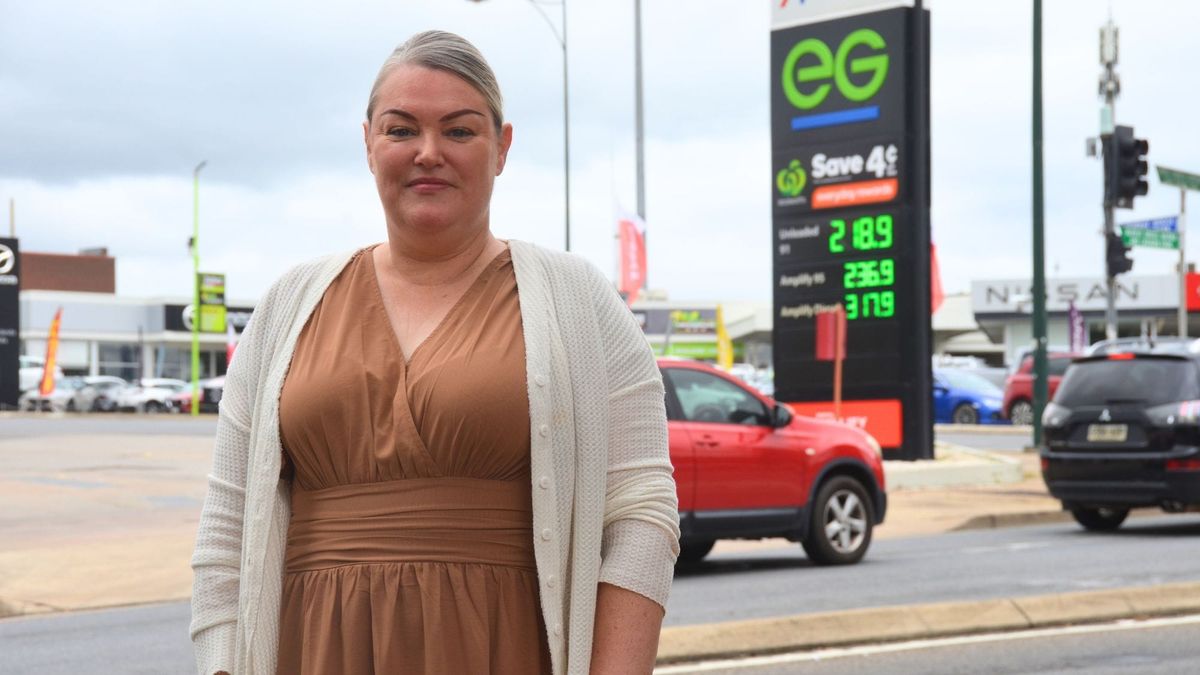
Mandy Payne knows what it’s like to have to drive to Adelaide and back, multiple times each week, while enduring the physical and mental effects of cancer treatment.
The Murray Bridge breast cancer survivor is now an advocate for those currently going through radiology and chemotherapy, including through a local support group called Murraylands Cancer Fighters.
She welcomed upcoming changes to the Patient Assistance Transport Scheme, announced in January, which will offer bigger subsidies for fuel and accommodation to local patients who must travel to access care.
But with the recent spike in the price of fuel, in Ms Payne’s mind, those changes don’t go far enough.
The extra support available from July 1 will include:
- Eligibility changes to include patients who must travel 50-100 kilometres per week, and a total of 300km or more per week, to access care – that will allow many Murraylands residents to apply for the first time
- A higher accommodation subsidy of $110 per night, or $154 with an approved support person, up from $44
- An increased fuel subsidy of 33.6c per kilometre, up from 32.8c
Ms Payne recently launched a petition calling on the government to do more for local patients, and sooner.
How could an extra cent per kilometre make a difference, when petrol prices had shot up 40c in two months?
“Please remember the extremely sick people on the land, in the country – they’re the ones that should matter in the cost-of-living and fuel crisis,” she said.
“They’re forgotten about.
“Most (country patients) have cars that run on diesel, most of them have four-wheel drives, so they’re paying through the nose.”
She is not alone in calling for a better deal.
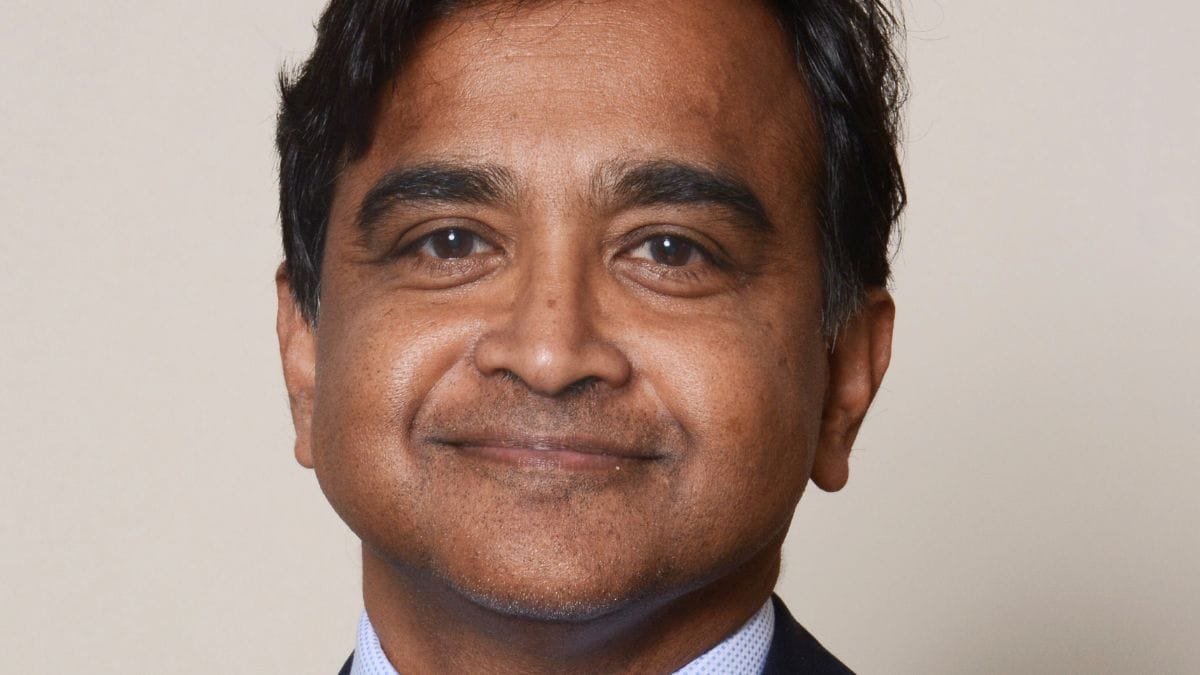
The Australian Medical Association and its president, Peter Subramaniam, issued a similar call last week.
“(On April 8) in South Australia, unleaded fuel costs more than $2.29 a litre, with diesel sitting around $3 a litre,” he said.
“In many regional areas, prices are even higher.
“AMA SA is calling for the PATS subsidy to be temporarily indexed to fuel prices, to ensure patients can continue to travel for care without suffering unacceptable financial stress.”
For most regional patients, public transport was not an option, Associate Professor Subramaniam said.
That is certainly the case in the Murraylands, a region which does not yet have an Adelaide Metro bus service, though one was promised at the recent state election.
In the longer term, Ms Payne hoped radiotherapy and rehab services could be established in centres across regional South Australia, including Murray Bridge.
SA was the only mainland state without a regional radiotherapy service.
In the meantime, the upcoming support for regional patients – another election promise – would be the best in the nation, Premier Peter Malinauskas said back in January.
“We want to help ease the burden for regional South Australians who have to travel long distances for specialist healthcare,” he said.
“The (previous state) government already delivered the first major increase to the Patient Assistance Transport Scheme in more than 20 years, and now we’re delivering even more financial relief.”
For those going through treatment right now, that relief cannot come soon enough.
Murray Bridge News is seeking comment from state Health Minister Blair Boyer.
- Sign the petition: www.change.org.
- Join the Murraylands Cancer Fighters: www.facebook.com.
- More information: www.pats.sa.gov.au.