Palmer wind farm construction will start this year
Energy company Tilt Renewables has vowed to start work on the project in 2026, following more than a decade of legal challenges and other hurdles.

This story is free to read. Help Murray Bridge News tell more stories like this by subscribing today.
Thirteen years after it was first proposed, a wind farm at Palmer will finally begin to be built in 2026.
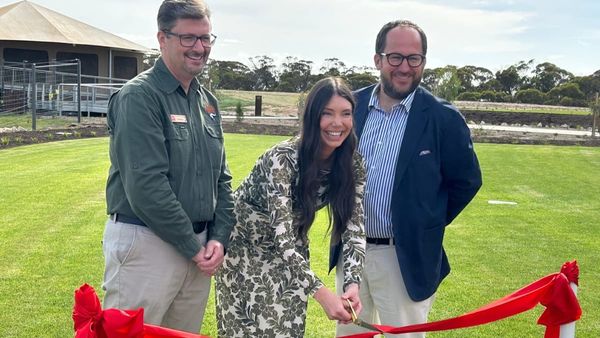
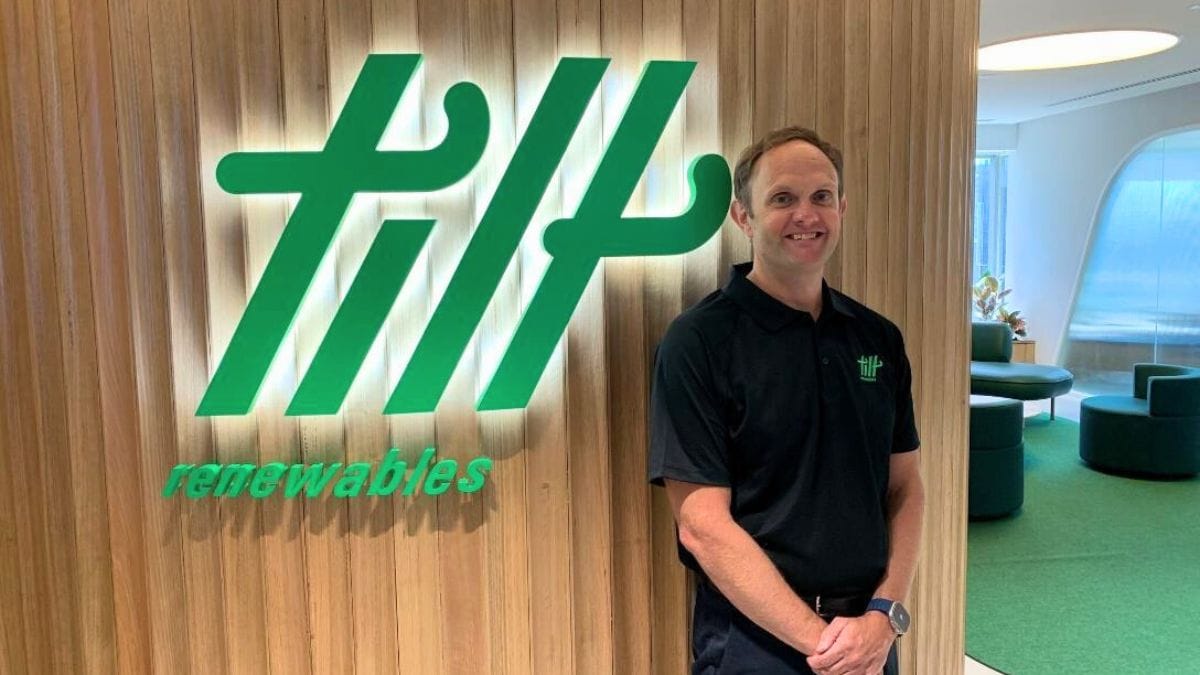
Energy company Tilt Renewables and its CEO, Anthony Fowler, vowed as much on January 8.
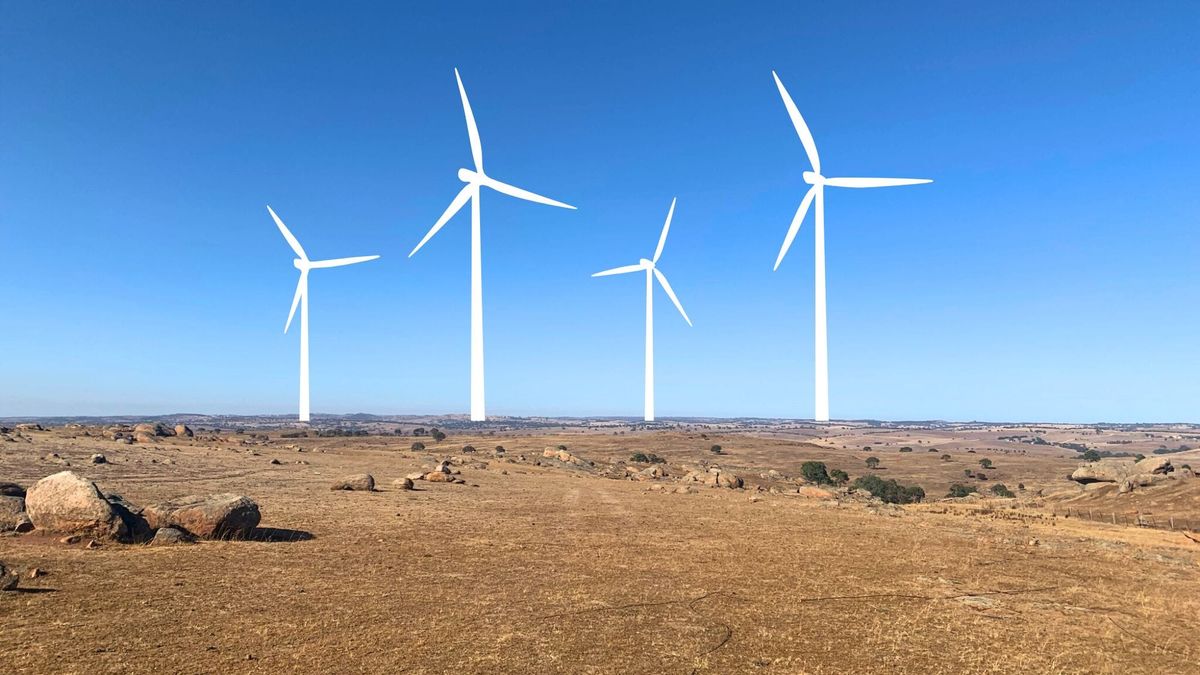
Forty of the largest turbines yet seen in Australia, each of them up to 220 metres tall, will eventually stand atop the hills between Palmer and Tungkillo, not far from the famous Bear Rock and a world-renowned sculpture park.
Combined, the turbines will produce 288 megawatts of electricity – enough to power 142,000 homes.
By reducing people’s use of power from non-renewable sources, the wind farm will also prevent 212,000 tonnes of carbon emissions each year, helping to slow the impact of climate change.
The energy it produces will be sold on the retail market, including by AGL, which has already agreed to buy almost half of its output over the next 15 years.
The project will not get any grant funding from taxpayers, but will be supported by the federal government’s Capacity Investment Scheme.
If the wind farm fails to make enough money to break even, the government will underwrite any losses; but if it does make bank, as expected, taxpayers will share in the profits.
The turbines will be manufactured by Danish company Vestas, installed by Australian construction company BMD, and connected by Electranet.
Wind farm’s construction will be ‘a win for South Australia’
Mr Fowler described the start of construction as a huge milestone, following years of protests by the Eastern Mount Lofty Ranges Landscape Guardians and legal challenges from some local property owners, including former Australian Football League CEO Gillon McLachlan.
“The Palmer wind farm has been on the drawing board for over a decade and has undergone several changes to reduce its environmental and community impacts,” he said.
“Technology improvements have enabled a reduction in the number of turbines from 103 to 40, reducing the area we impact while still generating a similar level of clean energy.
“We see Palmer as a great location because the wind resource is strong and consistent, it’s close to existing electricity transmission and is on cleared farmland, so grazing can co-exist with a wind farm.”
The benefits of the project will not just be shared by the owners of properties where turbines will be built, either.
Tilt plans to give local communities $226,000 per year over the wind farm’s 30-year life, including a total of:
- $7 million worth of community grants
- $3.3 million to local Indigenous people through a Peramangk Partnership Fund and a training and capacity-building fund
- $2.9 million to nearby neighbours: $3500 per household, per year for those currently living within two kilometres of the wind farm, and energy subsidies worth $150 per year for those within 5km
- Funding for a bus service between Palmer and Tungkillo
In the past year, the company has paid for the automation of the Palmer water standpipe, helped Cambrai Area School students get to a national Landcare conference, and sponsored various events and sporting clubs.
“Making sure our neighbours share in the benefits our renewable energy projects can bring is an important part of our ethos at Tilt Renewables, and one we deliver wherever we operate in Australia,” Mr Fowler said.
“Importantly, we always consult local communities extensively before we decide which issues we should prioritise and which project we should support.”
A survey about the community benefit plan will close on January 30.
Not everyone is on board
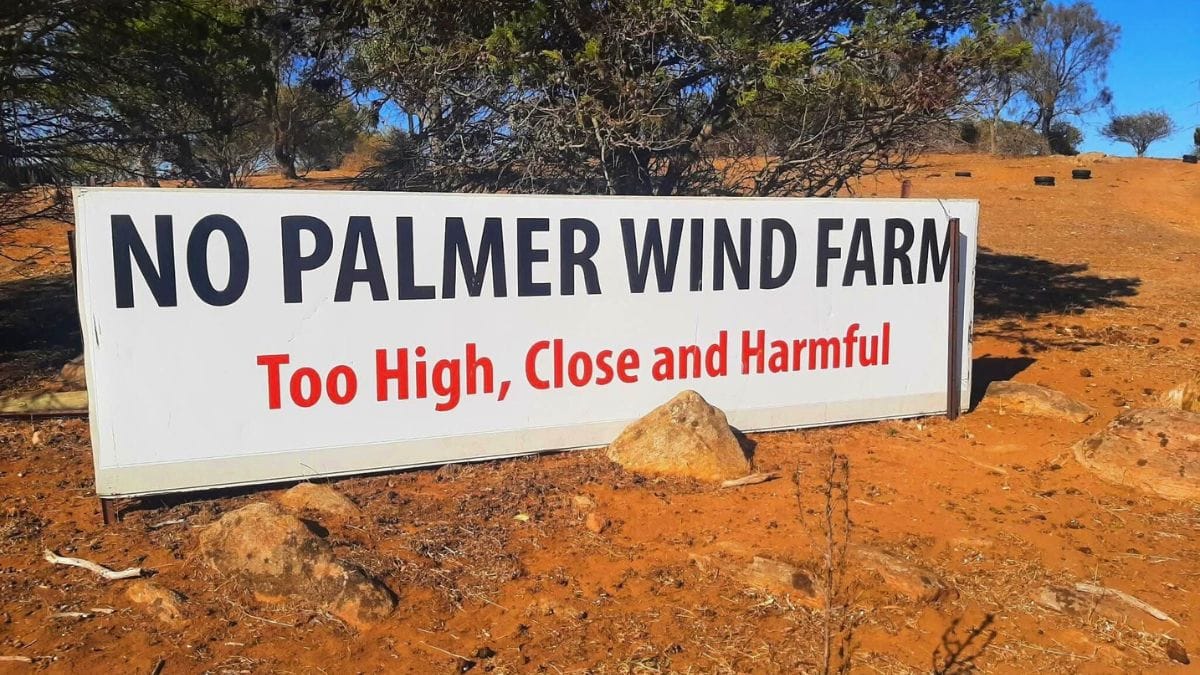
Volunteers from a “No Palmer Wind Farm” Facebook page reacted angrily to the announcement.
“There is no monetary pay off that can ever rebuild the community fabric they have destroyed,” they said in a post.
The wind farm had also been opposed by members of the nearby Bodhipala Buddhist Monastery.
In an online petition, they argued that the wind farm would threaten wildlife and cause health problems for nearby residents.
Authorities including the Australian Medical Association, National Health and Medical Research Council and an independent scientific committee appointed by the federal government have all found such health claims to be baseless.
The wind farm initially won development approval from the Mid Murray Council in 2015, a decision which was upheld by the Environment, Resources and Development Court in 2018 and the Supreme Court in 2019.
This won’t be Tilt’s first tilt
Tilt Renewables describes itself as the owner of the largest portfolio of renewable energy projects in Australia.
It owns nine wind farms, including the one at Snowtown in the Mid North; two solar farms; and one grid-scale battery.
Construction at Palmer is expected to begin in the middle of the year.
Up to 200 people will be employed at the site during the construction phase, and five staff will maintain the wind farm throughout its 30-year life.
The project is expected to be operational by about December 2028.
South Australia’s government aims to attract enough renewable energy investment to generate 100% of the state’s power needs by 2027.
- Have your say about the community benefit program: forms.office.com.
- More information: tiltrenewables.com.