New book tells story of Titanic’s only Aussie survivor and her Murray Bridge connection
Lisa Wilkinson shares the tale of Evelyn Marsden, her River Murray ties and the proud legacy a local rowing club maintains in her honour 114 years later.

This story is now free to read. Help Murray Bridge News tell more stories like this by subscribing today.
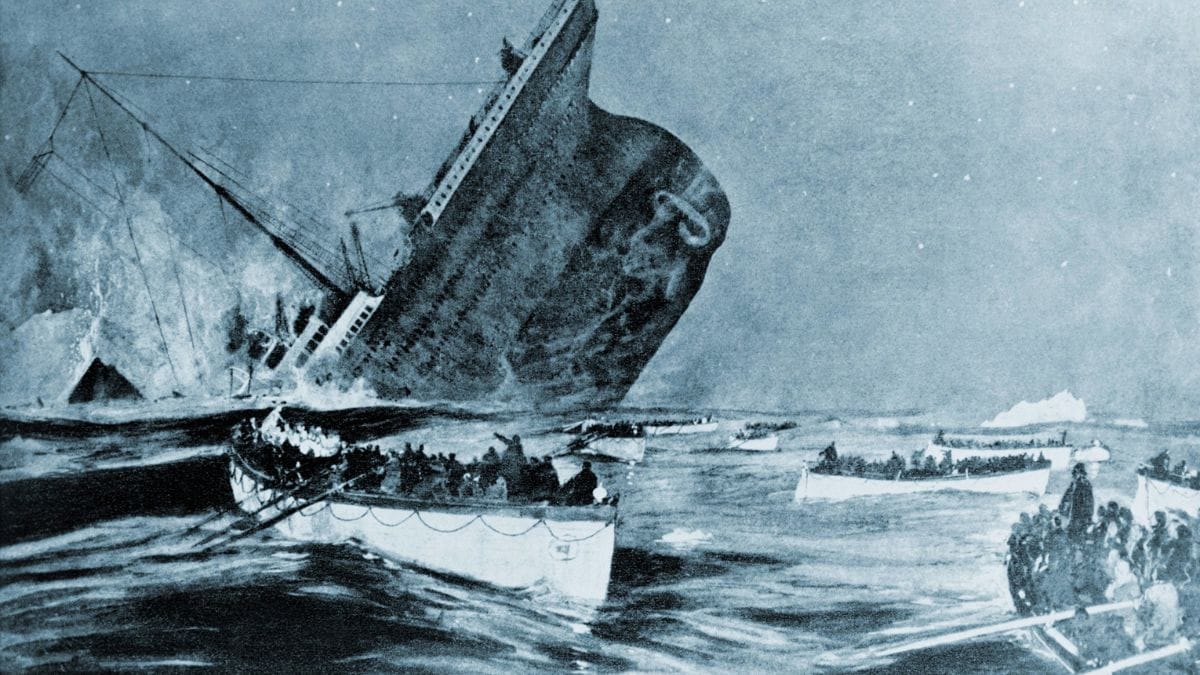
The sea and sky are black, with no moon to be seen, as the occupants of lifeboat 16 row across the glassy Atlantic Ocean and away from a sinking ocean liner just after midnight on April 15, 1912.
On board the lifeboat are several dozen working-class women, their children, and ship’s crew members, including at least two of the stewardesses whose job – until that night – had mostly been to freshen up cabins and assist passengers.
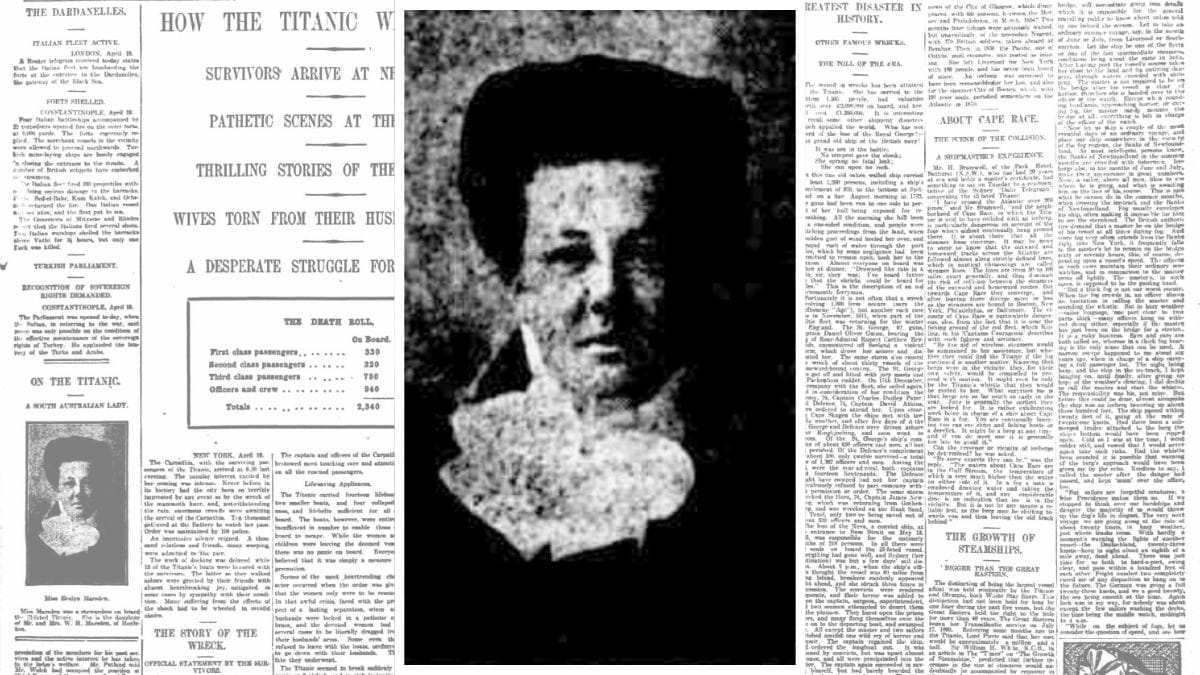
One of those stewardesses, Evelyn Marsden, took a few deep breaths and grasped an oar as they rowed away from the most famous shipwreck in history: that of the RMS Titanic.
After all, she was a highly capable sculler.
She had learned as a teenager in a tiny railway town on the wide brown River Murray, in her home state of South Australia – a place called Murray Bridge.
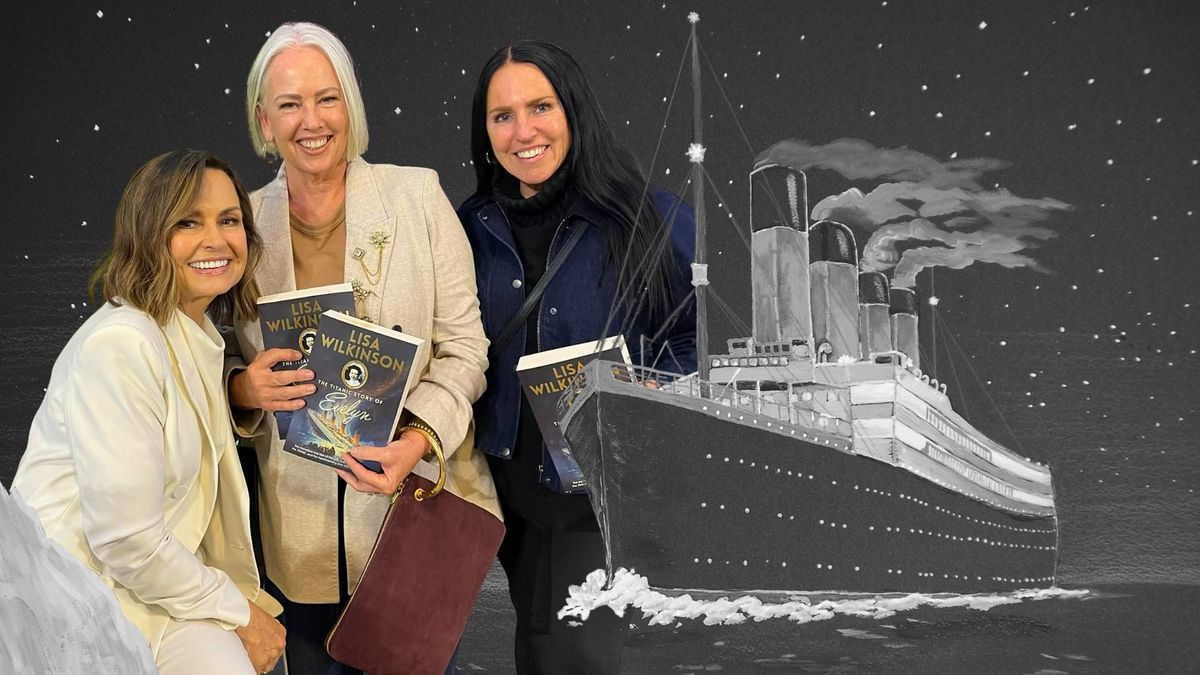
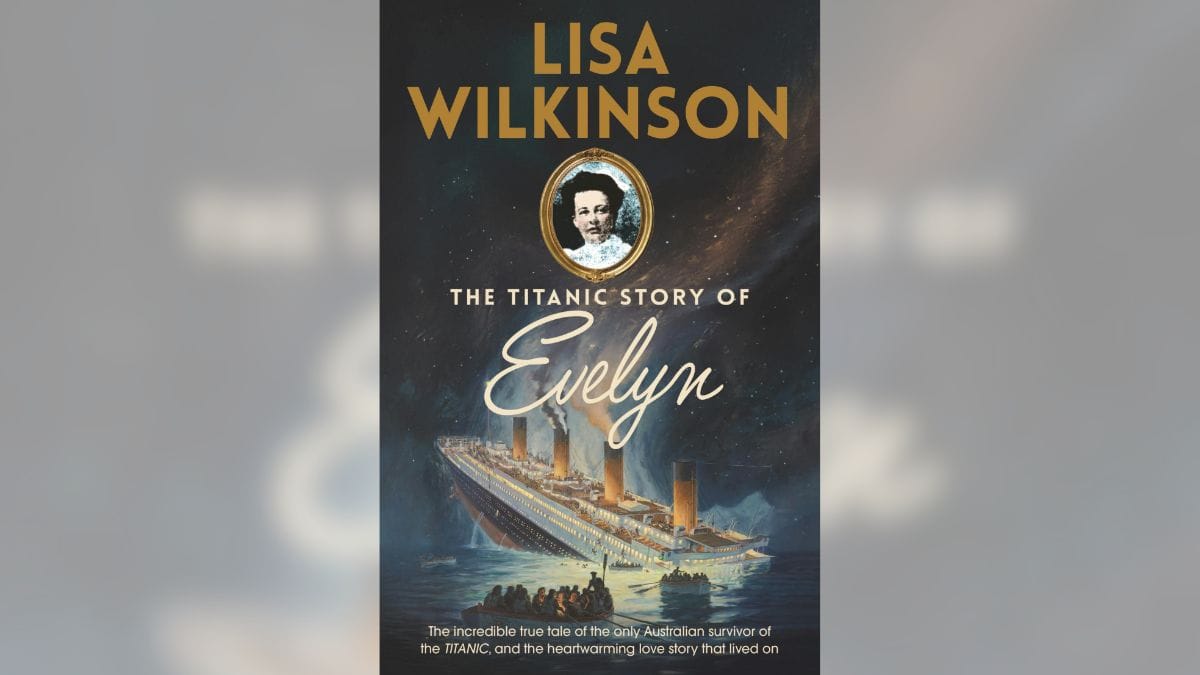
Miss Marsden’s story has been told in detail for the first time this month with the release of The Titanic Story of Evelyn, a non-fiction book by journalist Lisa Wilkinson AM.
Wilkinson became attracted to the century-old heroine after discovering Miss Marsden had been the only Australian survivor of the world’s most infamous maritime disaster.
“There were six Australian passengers and crew on the Titanic, but only one survivor: a 28-year-old nurse from Hoyleton, one and a half hours north of Adelaide, and she was quite the woman of her time,” Wilkinson said.
“She was travelling the world as a nurse stewardess on these ships, and fell in love with a handsome ship’s doctor and was engaged to be married.”
Miss Marsden had grown up in a tiny railway town north of Balaklava, the youngest of five children to a station master and his wife.
As a country girl, she was a highly skilled horsewoman – “she could ride as gracefully as any, and clear a fence or water jump with perfect ease,” The Herald would say later in 1912 – and she learnt Morse code at her father’s workplace.
She was also a keen rower, a skill she picked up when she spent some time at Murray Bridge, another railway town and river port, in the early 1900s.
There was no local rowing club at the time – it was only established in 1909 – but there were already a few keen rowers in the area, including some of the Murray Cods who would go on to win the King’s Cup in 1913 and represent Australia at the 1924 Olympic Games.
Miss Marsden could hold her own against most of them, Wilkinson said.
“While many others liked to row with the current, Evelyn loved to challenge herself – she’d row against the tide,” she said.
“When I first heard those words, I wondered how many Australian women could relate to that, rowing against the tide … and I wondered how this woman’s story had remained untold for more than a century.
“It felt like a gift had landed in my lap that I couldn’t walk away from.”
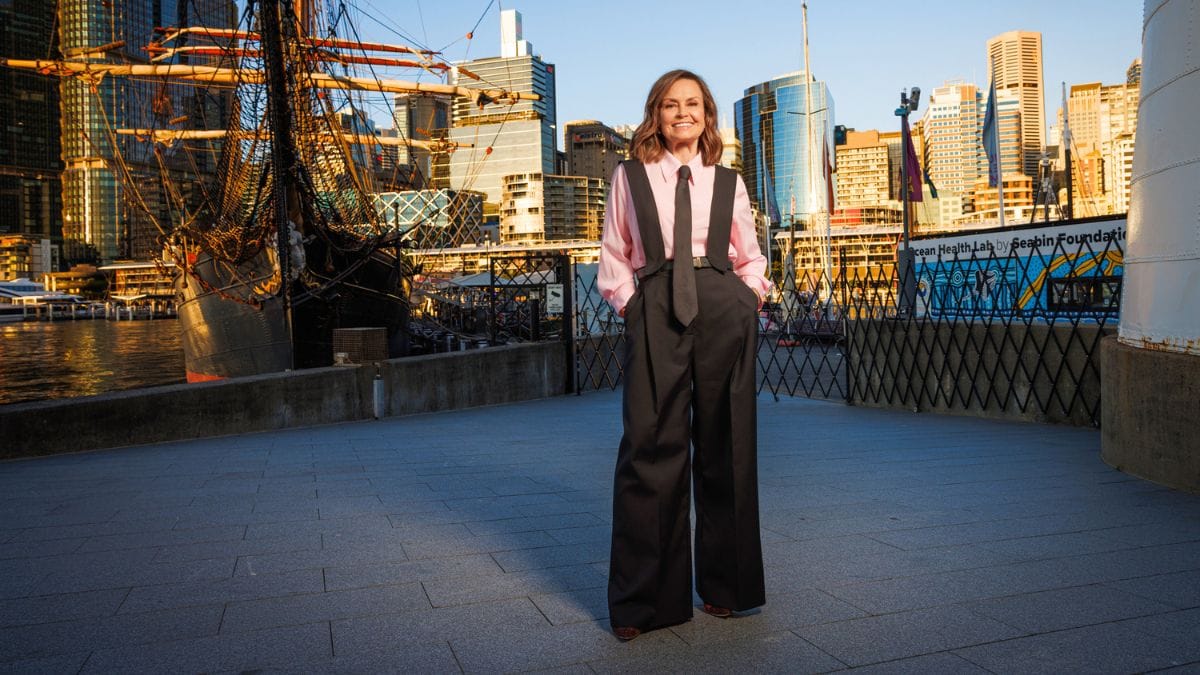
As the writer researched her story – reading, listening to podcasts and watching films and documentaries – it became evident that Miss Marsden’s story wasn’t the only one to have been under-represented in media, either.
So many tales of the Titanic had been told by men, about men: the ship’s captain, the musicians who played on, even Leo DiCaprio’s made-up character.
But there had been incredible women on that vessel, too: “political activists, millionairesses, poets, the highest-paid movie actress in the world, a woman with the ear of the president of the United States because she was doing interior decoration at the White House”.
The Titanic Story of Evelyn is also their story.
“You could write 10 volumes of this book,” Wilkinson gushed.
“I chose the characters who had the most heartbreaking, the most heartwarming, funny, tragic, human stories.
“Some will make you cheer, some will make you cry, some will break your heart, some will tell you a lot about the human condition.”
Just three months after the Titanic disaster, Miss Marsden became Mrs James when she married her fiance at Southampton, in England.
They emigrated to South Australia later that year, and lived in Adelaide and Wallaroo before settling in Sydney’s eastern suburbs for the remainder of their lives.
They did not have children, and she died relatively young, at 54, in 1938.
Her heartbroken husband joined her in death only a week later.
The couple were buried in an unmarked grave at Waverley Cemetery, looking out over the sea from the clifftops; a headstone was erected at their final resting place in 2000.
But our story does not there.
Evelyn Marsden’s legacy lives on in a perpetual trophy awarded by Murray Bridge Rowing Club.
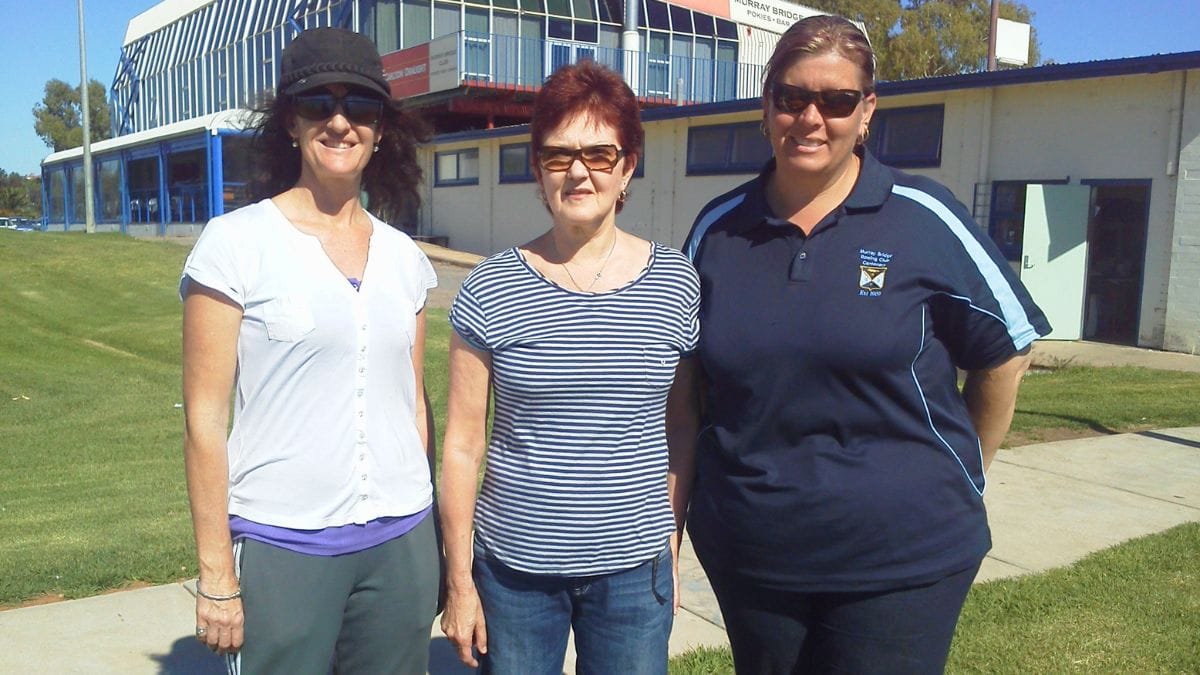
The Evelyn Marsden Trophy has been awarded only sporadically over the years since 2012, when it was donated by her great-niece, Petrea Hann, on the centenary of the Titanic’s sinking.
The award recognises a female rower who embodies Miss Marsden’s courage and tenacity.
It would certainly be dusted off and awarded at the rowing club’s presentation night this year, secretary Stacy Seidel said.
Today’s rowers could draw strength from such an incredible piece of history.
“It was the women who had to row the lifeboats because the men were back on the boat,” she marveled.
“That’s women in history for you – we’ve not been represented or remembered as well as we could have been.
“But whether this is a Murray Bridge Rowing Club story or a Murray Bridge story, it’s a great story.”
Both she and Wilkinson were grateful that story had not been lost to history.
“It’s a story I think all Australians should know, but particularly young women,” Wilkinson said.
“She’s a hero we never knew we had.”
- More information: www.hachette.com.au.