Life saving club seeks a home as part of water safety push
The Murray Bridge Life Saving Club wants a permanent base at Sturt Reserve as part of an effort to prevent drownings in the region.

This story is now free to read. Help Murray Bridge News tell more stories like this by subscribing today.
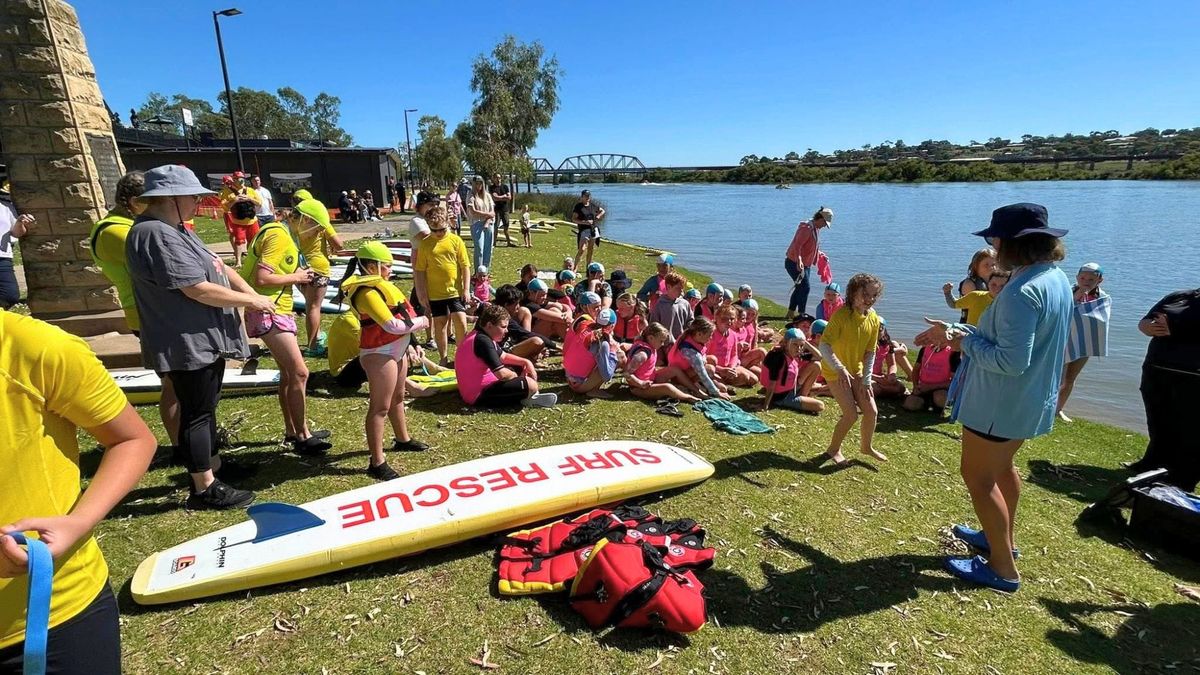
Murray Bridge Life Saving Club is campaigning for a new home on the city’s riverfront as part of a wider push for water safety in the Murraylands.
The club was formed in early 2025 following the success of the Rippers program, a version of Surf Life Saving South Australia’s Nippers program aiming to build children’s knowledge of water safety on the river.
Now its members hope to make it a permanent fixture at Sturt Reserve.
Club president Erin Scammell appealed for support from Murray Bridge’s councillors at a public meeting last week.
“Sturt Reserve is the heart of river activity in Murray Bridge,” she said.
“It holds cultural significance, attracts visitors and is one of the most active recreational spaces in our region.
“Where people gather around water, risk exists; and where risk exists, there must be visible safety.”
She envisioned not just a storage unit for life-saving equipment, but a designated area where trained lifeguards could supervise recreational swimmers, just like the red-and-yellow-flagged zones used by surf life savers on the coast.
The life saving club could offer training to locals of all ages, making sure that more people would be prepared to respond to an emergency if one arose.
That could save lives.
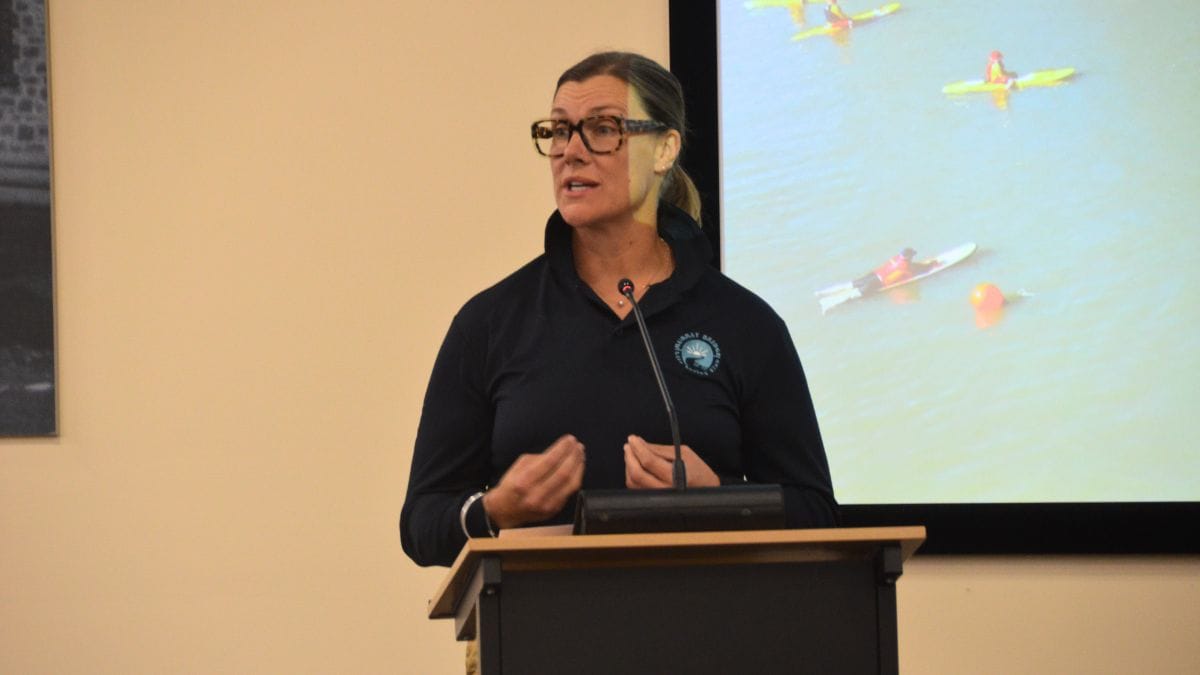
“A visible lifesaving presence changes behaviour, builds awareness and creates a culture of safety around the river,” she said.
“Do we wait for a preventable tragedy, or do we lead with foresight?
“When a fatality occurs, the question will not be, ‘What can we do now?’ – it will be ‘Why didn’t we act when we had the chance?’”
Councillors did not make any specific funding commitment at the meeting, but promised to discuss how they might help.
Mayor Wayne Thorley, a volunteer firefighter for almost 40 years, said he understood well the importance of preparing for emergencies.
He noted, too: “Councils are elected to lead.”
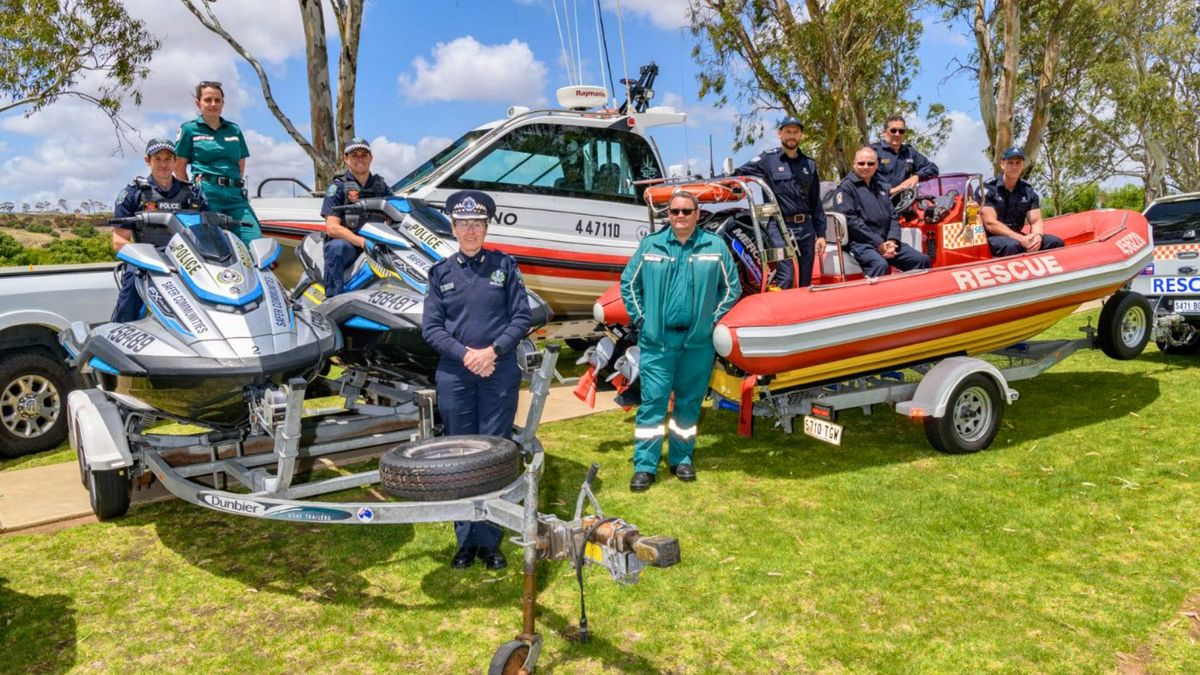
Water safety strategy envisions a region free from drownings
The push came soon after the launch of a new water safety strategy for the Murraylands.
A River Murray safety working group spent two years putting together a plan to make the region free from drownings.
For context, 17 people have drowned in the Murraylands’ waterways since 2002.
Of those deaths:
- 88 per cent were men
- 41% were aged 65 and over
- 35% had been on a boat or jet ski
- Alcohol was a factor in at least 30% of deaths
“The Murray is a place people come to relax, holiday and spend time with family, but it can also be unpredictable and dangerous if risks aren’t understood,” said working group chair Alex Davis, an SA Police sergeant.
“This strategy brings agencies together to improve consistency in education, compliance and messaging, so people hear the same safety advice wherever they are on the river.
“By working together, we can better target risky behaviour, improve compliance during peak periods and ultimately prevent serious incidents before they happen.”
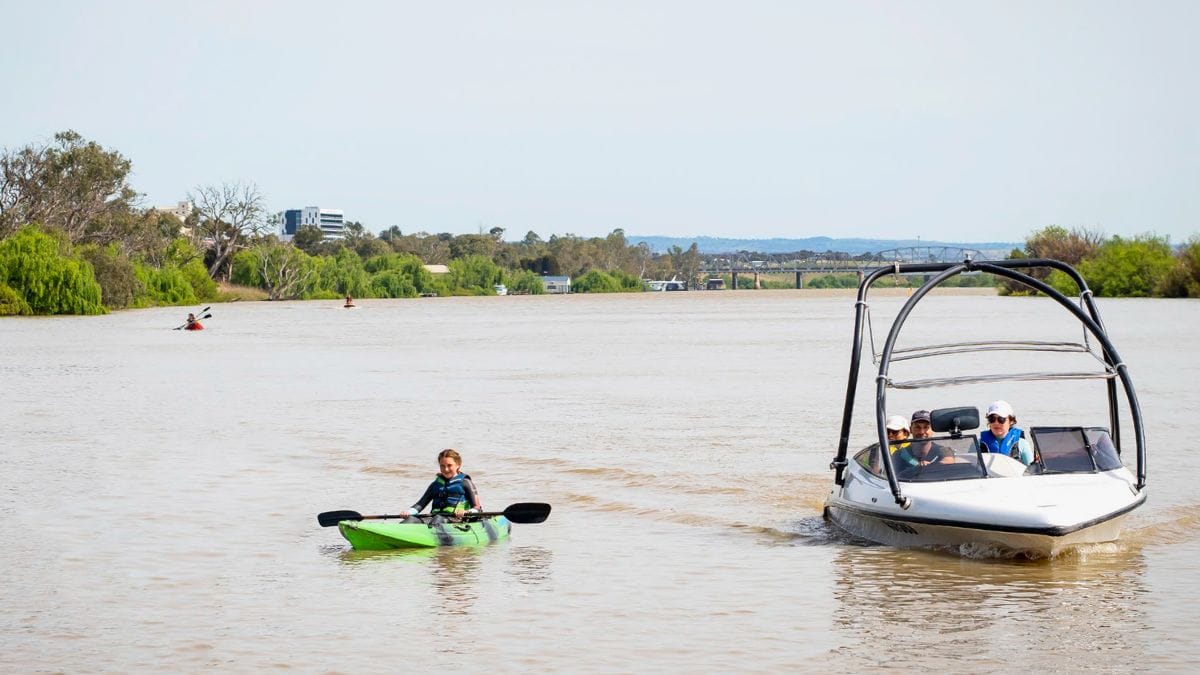
To make the Murraylands and Lakes free from drownings, the group set four aims:
- Collaboration: Agencies, river users and industry groups should work together on education programs, including those targeting multicultural communities
- Policy engagement: Local evidence needed to lead to state government actions, including safe swimming areas and better signage in Murraylands towns
- Joint campaigns: Simple, specific messages about respecting the river needed to target wake boat users, jet ski riders, houseboat holidaymakers and swimmers
- Skill development: Access to river-specific water safety training needed to be made available to school students, migrant workers and others
Royal Life Saving’s national manager, Brooke Cherfils, said locally specific planning was one of the best ways to reduce drownings and serious injuries on the water.
“While the Riverland and Murraylands share common risks, there are also important differences that require targeted action,” she said.
SA Police, Marine Safety SA, Royal Life Saving, Surf Life Saving SA, the SA Ambulance Service, the state Department for Education and four local councils all contributed to the strategy.
- Download the water safety strategy: www.royallifesaving.com.au.
- Read more: Join in … with Murray Bridge Lifesaving Club