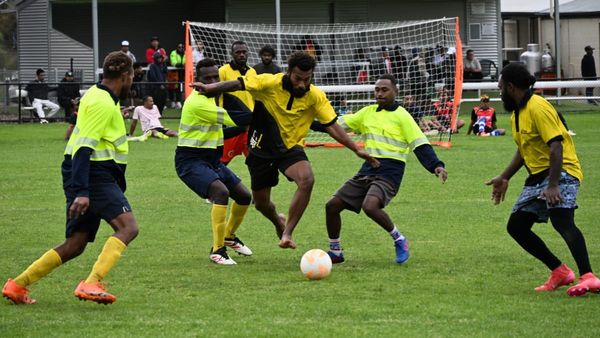
How to recover from winter sport injuries – or prevent them before they happen
Physiotherapist Sam Lutze offers his advice to the Murraylands’ footballers, netballers, soccer players, runners and participants in other sports and activities.


This sponsored story is brought to you by Murray Bridge Medical Centre.
When it comes to football, netball, running or other high-impact activities, injuries are always a possibility – especially in winter.
On freezing mornings like we’ve had in the Murraylands this week, it can be extra hard to get muscles and joints warmed up and ready to go.
Still, there are things you can to do to prepare your body for strenuous exercise, to manage injuries in the moment, and to position yourself for a smooth recovery.
Here with some advice on behalf of Murray Bridge Medical Centre are physiotherapist Sam Lutze and practice manager Wendy Ziersch.
Prevention is the best medicine
It’s a cliché, but there’s a reason it’s such a widely known saying, too.
The warm-ups and exercises you go through before stepping onto the court, oval or pitch can protect you against pain and inconvenience later on.
“It can happen very easily, and in the cold weather, if you’re not warming up or stretching in an appropriate manner … then you’re likely to have an injury sustained at some time in your life,” Wendy says.
It’s important to stay hydrated and maintain your body’s electrolytes before and after exercise, too.
“The hydration of your muscles is going to help with preparation and recovery,” Sam says.
Trust your first aiders
At almost any sporting contest, there will be people trained in first aid who are able to assist you.
Football and netball teams may have trainers, major competitions may have St John Ambulance volunteers, and even the smallest clubs and associations will have a designated helper.
Whether you feel a niggle or something more significant, talk to them in the first instance.
If you suffer a head injury, dislocation, broken bone or other major injury, seek medical attention as soon as possible, including a head injury assessment if relevant.
“We recognise, now, research on the effects of head injuries on later life,” Wendy says.
“Brain injuries can determine personality and the way you function, and we need to be really mindful of that.”
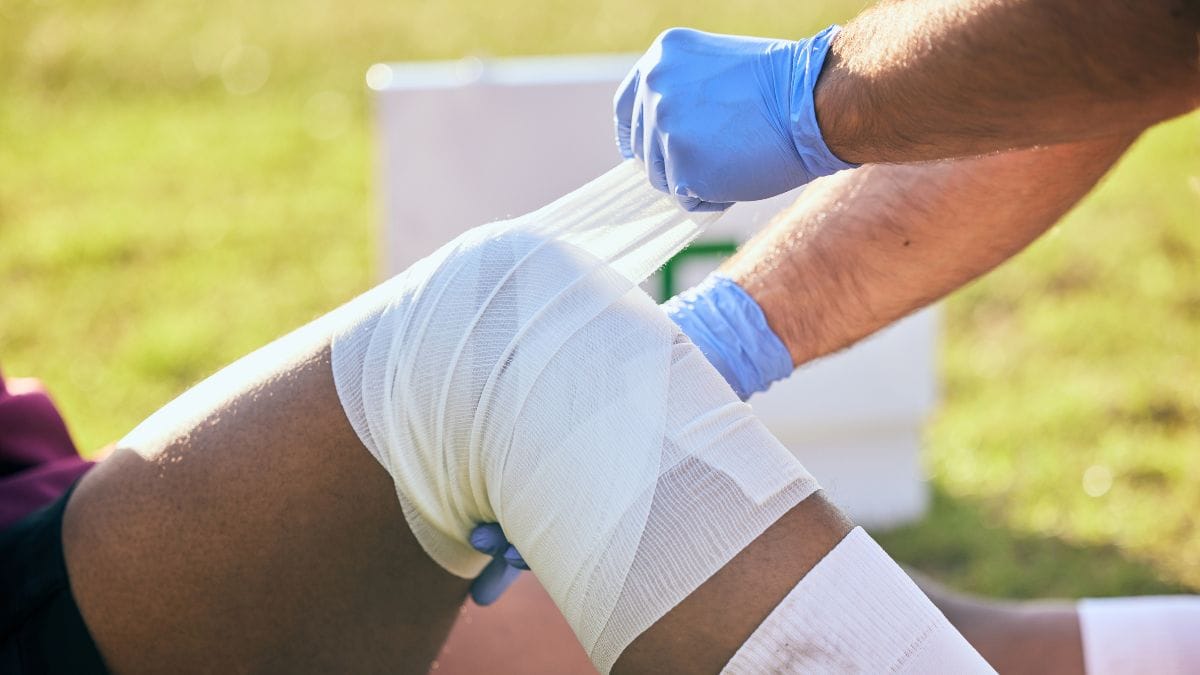
Otherwise, after a soft tissue injury, follow the RICE method:
- Rest the injured body part and avoid putting weight on it
- Apply ice or a cold pack to minimise pain and inflammation
- Wrap the area with a compression bandage that is tight enough to be supportive, but loose enough that you maintain circulation
- Elevate the sore body part if possible, to ease pressure on it
If a niggling injury does not improve within a few days, Wendy says, it’s important that you follow up with your GP.
“Shin splinting or aches and pains that won’t go away, they should be followed up,” she says.
“It may be that you need X-rays or ultrasounds.”
Recovery needn’t mean lying on the couch
If you are unlucky enough to sustain a serious injury that takes you out of the line-up or your usual routine, Sam’s advice is not to take it as an opportunity to slacken off completely.
“Instead of doing two training sessions in a week, you might do a couple of rehab and recovery sessions with stretches or physical exercises,” he says.
“Then you also have your daily habits: going to the gym, going for a walk, whatever it may be; if you’re not able to walk, it might be going to the pool instead.
“It’s a matter of harnessing that same energy and focus that you would normally put into preparation for competition or play, and putting it into recovery.”

That is especially true for injuries which keep you on the bench for a period of weeks or months.
“If you have a long-term injury in particular and come back from that injury de-conditioned, you’re at a higher risk of a secondary issue,” Sam says.
“Say it’s a ligament issue from a rolled ankle; you (might) strain a hamstring muscle when you get back playing again because the body’s not ready.”
Getting your sleep patterns and diet right will help with your recovery, too.
Need help with your injury recovery?
If you’re dealing with an injury or ongoing issue, make an appointment with your GP.
If you don’t have a regular GP elsewhere, the team at Murray Bridge Medical Centre will be happy to help you.
- Make an appointment: Visit Murray Bridge Medical Centre at 35-37 Adelaide Road between 8am and 5pm on weekdays, call 8531 2988 or visit www.murraybridgemedical.com.au.
Advertising to more than 20,000 highly engaged locals can do wonders for your business. Call Jane Intini on 0418 835 768 or email jane@murraybridge.news.
 Peri Strathearn