Has the City of Murray Bridge outgrown its ‘rural’ name?
A local councillor has suggested that the city’s council adopt a new identity to reflect its urban growth.

This story is now free to read. Help Murray Bridge News tell more stories like this by subscribing today.
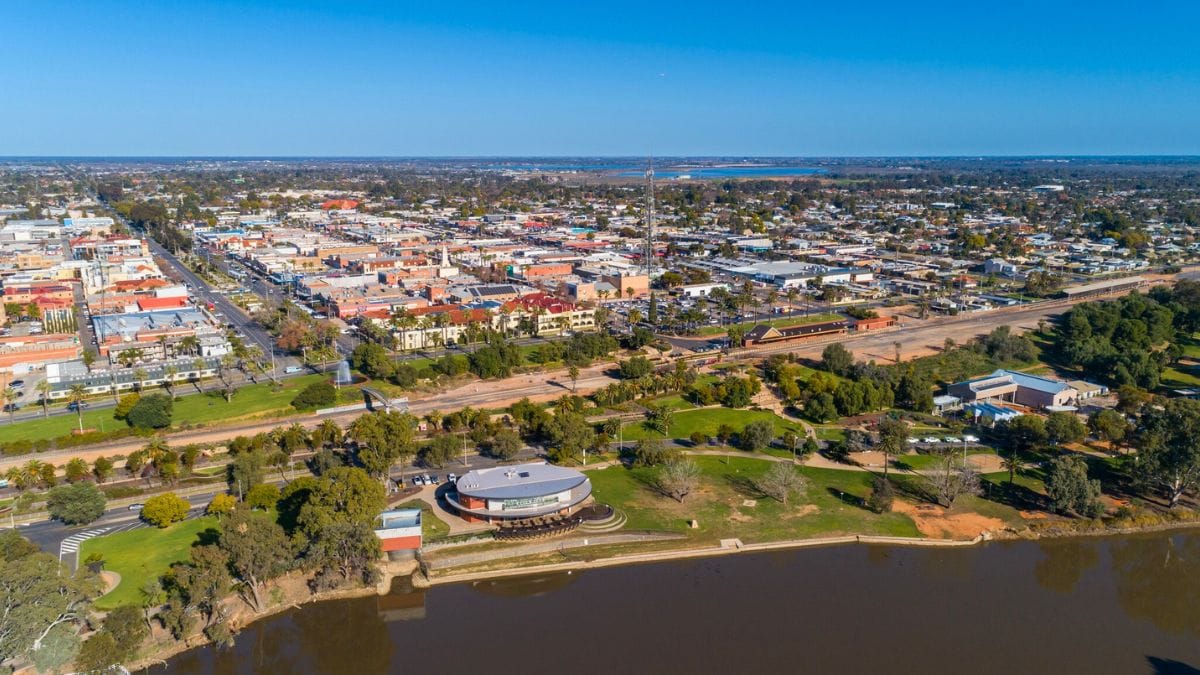
Is Murray Bridge still a rural city, or has it grown beyond its agricultural roots?
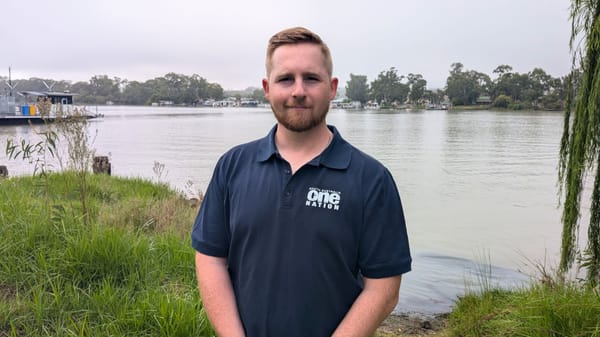
Local councillor Fred Toogood has asked the question as the council – officially known as the Rural City of Murray Bridge – prepares for a population explosion.
His thinking?
Removing the word “rural” would more accurately reflect the council’s scale, strategic location and significance.
Ultimately, he hoped it would increase investment in the community, too.
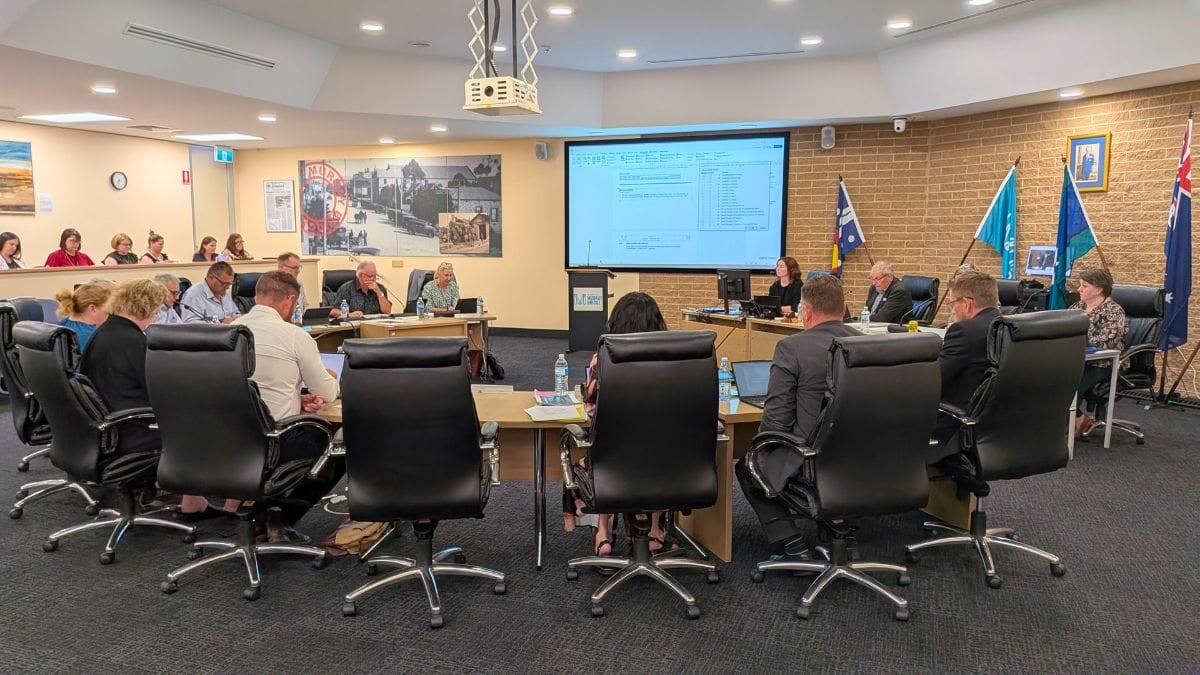
“I believe that a contemporary, growth-focused name has the potential to enhance the council’s standing when seeking state and federal government funding, particularly in competitive grant programs relating to sport, recreation and community infrastructure,” he said at a council meeting on Monday night.
“A name that accurately conveys the area’s size and development trajectory may assist.
“Aligning the council’s name (with its growth agenda) would present a cohesive narrative about council’s future direction.”
The reaction from his council colleagues was mixed.
Clem Schubert, a farmer and Murray Bridge’s longest-serving councillor, wasn’t a fan of the idea, and worried that it would have a “significant” cost.
But Cr Mat O’Brien was open to the idea: “Having read the explanation, it made a lot of sense.”
Cr Tom Haig described it as “sensible” and worth thinking about.
What does everyone else call themselves?
Only six other local government areas around Australia use the title “rural city”, and they’re all in Victoria:
- Mildura (population 56,972)
- Wangaratta (29,828)
- Swan Hill (21,403)
- Horsham (20,429)
- Benalla (14,528)
- Ararat (11,880)
Closer to home, Mount Gambier, Whyalla and Victor Harbor all call themselves cities; Gawler is a town; and Mount Barker still has a district council.
The Australian Bureau of Statistics uses the word “rural” to describe areas outside urban centres, and classifies Murray Bridge as an urban centre.
Other government agencies use all kinds of definitions for “regional” and “rural”.
Murray Bridge is formally part of Greater Adelaide these days, but also remains part of the Murray Mallee for state government planning purposes – it’s the only community which both is and isn’t part of the metro area.
Name changes have been contentious in the past
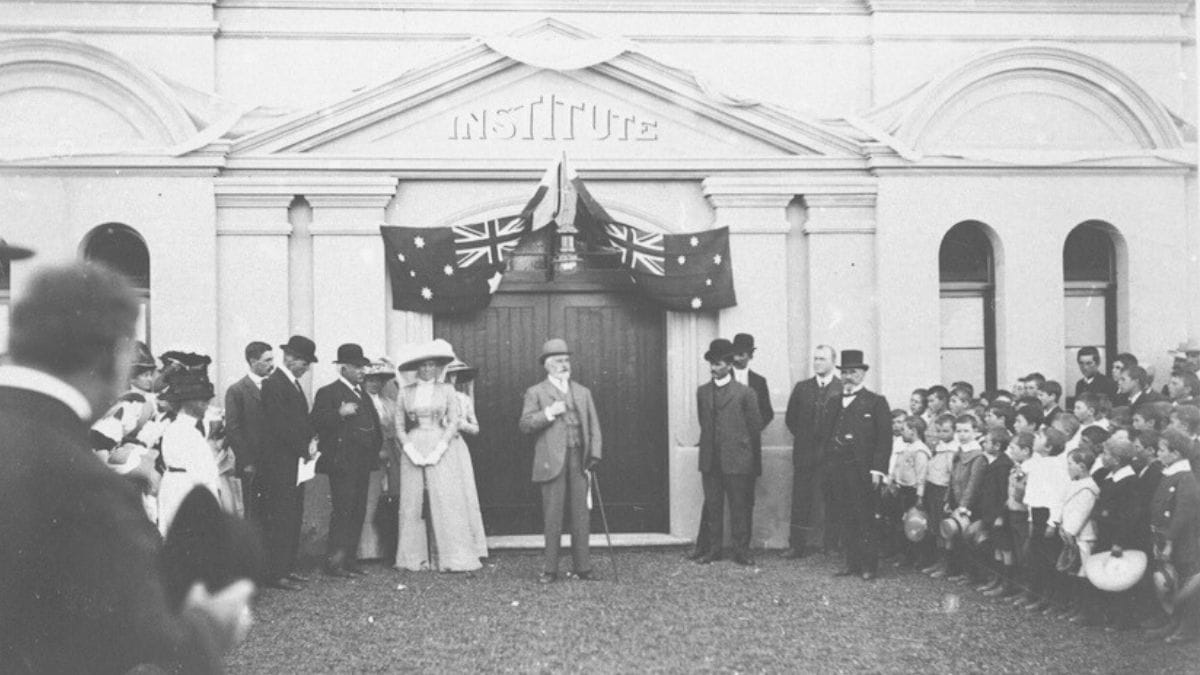
The first local government authority in the city now known as Murray Bridge, established in 1884, was the District Council of Mobilong.
In 1924, Mayor Maurice Parish and the rest of the townies broke away and formed their own council – the Corporate Town of Murray Bridge – while the Mobilong council continued to look after the surrounding areas.
The two came back together in 1977 as the District Council of Murray Bridge.
Finally, in 1993, the state government recognised that the local population had grown large enough that Murray Bridge could officially be considered a city – that was when the “rural city” name came into use.
The 1990s change had been contentious at the time, Mayor Wayne Thorley warned at the council’s meeting on Monday night.
The arguments on both sides had been “long and strong”, and any new debate was sure to cause a ruckus.
Yet to this day, Murray Bridge remains a city in search of a clear identity.
What happens next?
Councillors have not made any decision about a name change yet.
Council staff will report back with more information about the legal, cost and branding implications.
If councillors decided to explore the idea further, public consultation would presumably be involved.
- Read more: Murray Bridge’s reputation is out of date, so how do we change it?
- Read more: Murray Bridge’s population will reach 35,000 in 15 years, projection suggests