Elephants of Asia precinct opens at Monarto Safari Park
Zoos SA’s Wild Africa project has taken its biggest step forward yet, with a new exhibit now open to the public.

This story is now free to read. Help Murray Bridge News tell more stories like this by subscribing today.
After years of planning, fundraising and preparation, Monarto Safari Park’s biggest ever exhibit has opened to the public.
The first Zoos SA members got a look inside the park’s new Asian elephant experience on Wednesday morning.
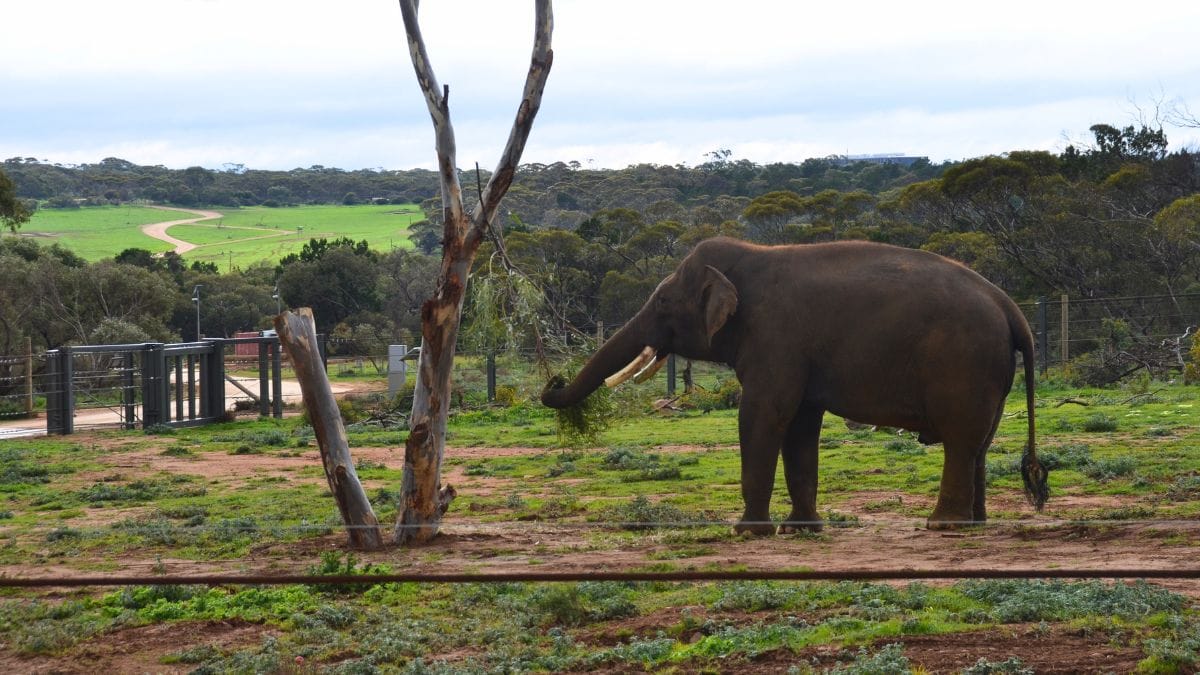
Elephants Burma, Putra Mas, Permai, Pak Boon and Tang Mo had already moved into their new habitat over the past 18 months, and had been visible to the public.
Newly accessible from this week, though, were viewing platforms, shelters, informational signage and even an elephant-themed playground.
The park’s elephant program was made possible by a $2 million public fundraising campaign which reached its target in less than a month.
Those donations will now contribute to an international conservation effort for the species, which is endangered in the wild.
Only about 50,000 individuals remain in the Asian elephant’s original range, which spans India, China and South East Asia.
Monarto’s herd will be cared for by specialist vets with expertise in elephant husbandry, nutrition, training and social integration.
Their 12-hectare habitat features several waterholes and mud hollows where the elephants can play and keep clean; barns equipped with heaters; and spaces designed to encourage natural foraging behaviour and socialisation.
With five mature elephants sharing a new space – four female and one male – that will be especially important.
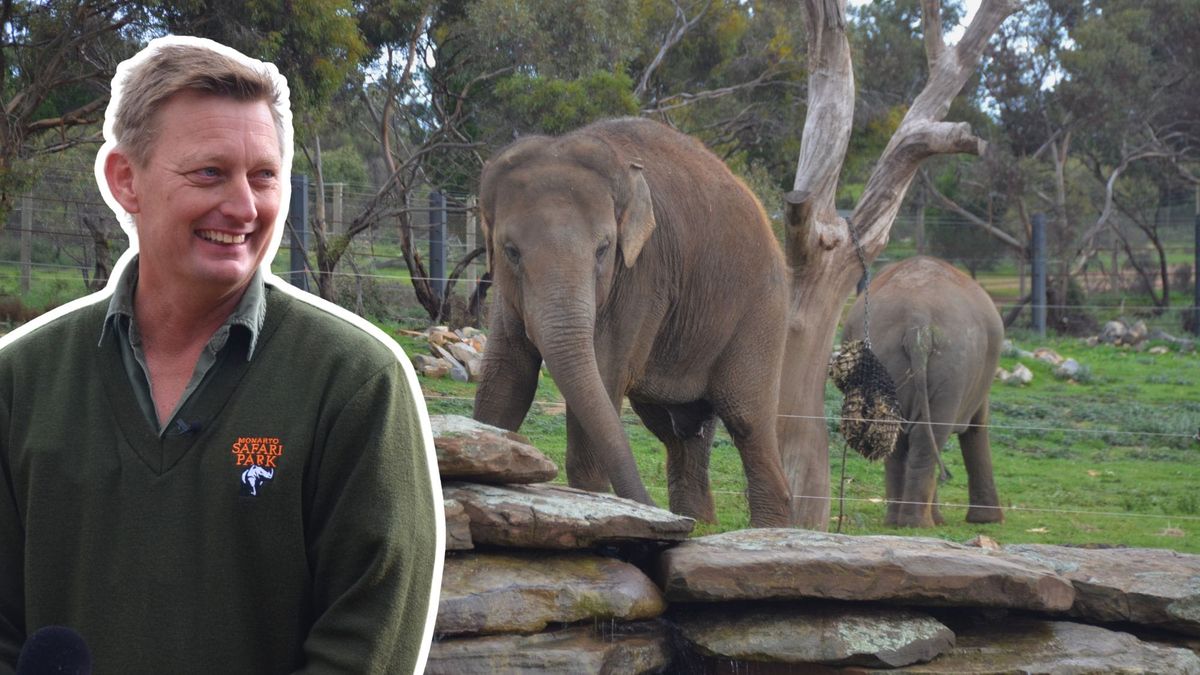
Elephant manager Andrew Coers said two pairs of the females had developed natural friendships.
Burma, the gentle giant from Auckland, had bonded with Pak Boon, from Sydney, who was playful and blind in one eye.
The other elephant from Sydney, intelligent young Tang Mo, was now best mates with emotional Permai, from Perth.
Meanwhile, proud bull elephant Putra Mas, who came over with Permai, was living in an enclosure across the way.
“(The females) come together throughout the day, greet over the fence, wrap trunks and all that sort of stuff that you want to see,” Mr Coers said.
“Permai and Tang Mo, they’re sleeping together … next to each other, under the heaters at night.
“When they get worried about something, they come together and get security from each other.”
All of them had taken time to adjust to their new home after living in cities for 20-30 years, he said; but they were getting used to the sights, sounds and native species they encountered.
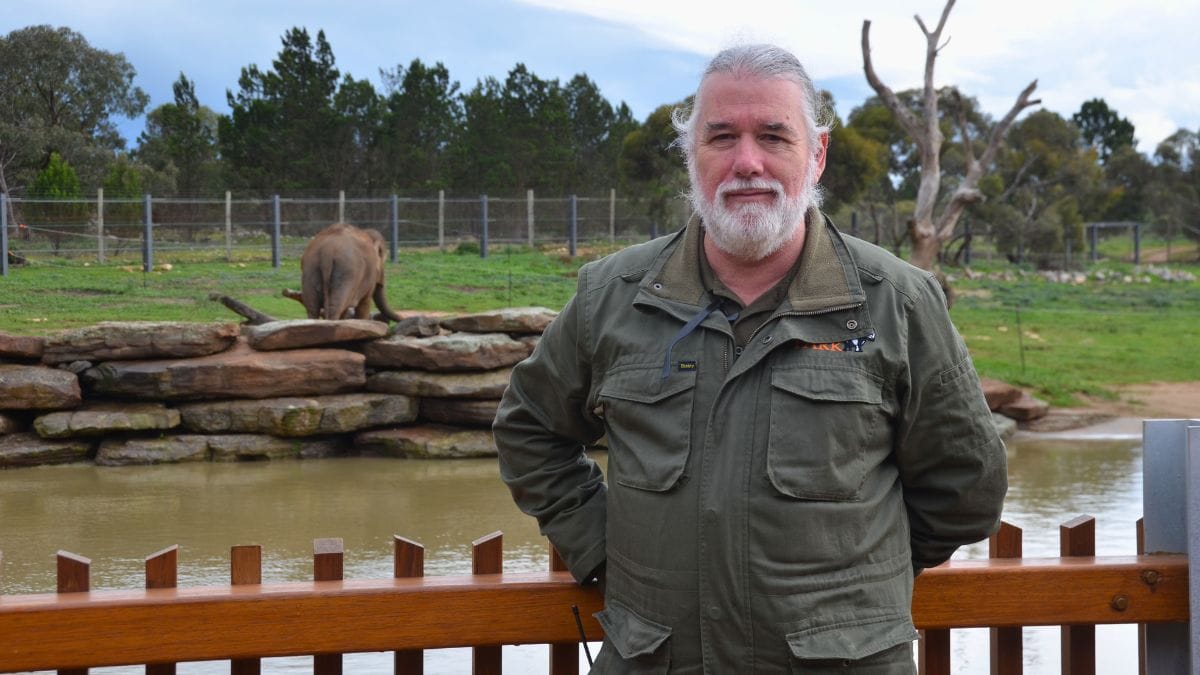
Zoos SA’s only long-term goal for the elephant program, Mr Smith said, was to allow the five individuals to happily live out their lives while helping to raise awareness of their wild cousins’ plight.
“The goal at the moment is to keep these elephants in a comfortable social situation where they can pick and choose who they want to mix with and where they want to move in the habitat, and for this to be their forever home,” he said.
“These are older, middle-aged animals.”
So: no elephant babies, then?
“It’s really not our focus at the moment,” Mr Coers said.
“Baby elephants … (would be) a huge commitment and a commitment that (would) need resourcing over a longer period.”
Members of the public will be able to visit the elephant exhibit from this weekend.
The last elephant at Monarto Safari Park prior to 2024 was Samorn, a retiree from Adelaide Zoo who died in 1994.