Veterans’ affairs minister refuses to recognise Vietnam vet’s service
Murray Bridge Vietnam veteran John Ali’s years-long fight for justice is continuing, even as he remains the last living member of his team.

This story is free to read. Help Murray Bridge News tell more stories like this by subscribing today.
John Ali served in Vietnam.
A 23-year-old diesel mechanic, he and his team were sent with the Australian Army’s 102 Field Workshop on a mission to South Vietnam, then on to Cambodia, in 1971-72.
Cambodia at the time was a dangerous, chaotic place, wracked by civil conflict and partially overrun by forces from both sides of the Vietnam War next door.
Mr Ali lay awake most nights during his 16 months over there, listening to gunfire and bombing, knowing that the Viet Cong were active in the village where he and his team were living and working.
By day he maintained trucks and trained their Cambodian drivers, all the while wondering if that day would be his last.
Fifty-four years have passed since he came home: half a century of post-traumatic stress, anger, depression and other ongoing health issues.
At times he struggled with alcohol addiction, was unable to work, and spent time in a psych ward.
He has survived multiple strokes.
Yet Mr Ali has never had access to the same standard of health care as those who served in the regular forces during the war, or even many of the doctors, nurses, merchant mariners and entertainers who spent time there.
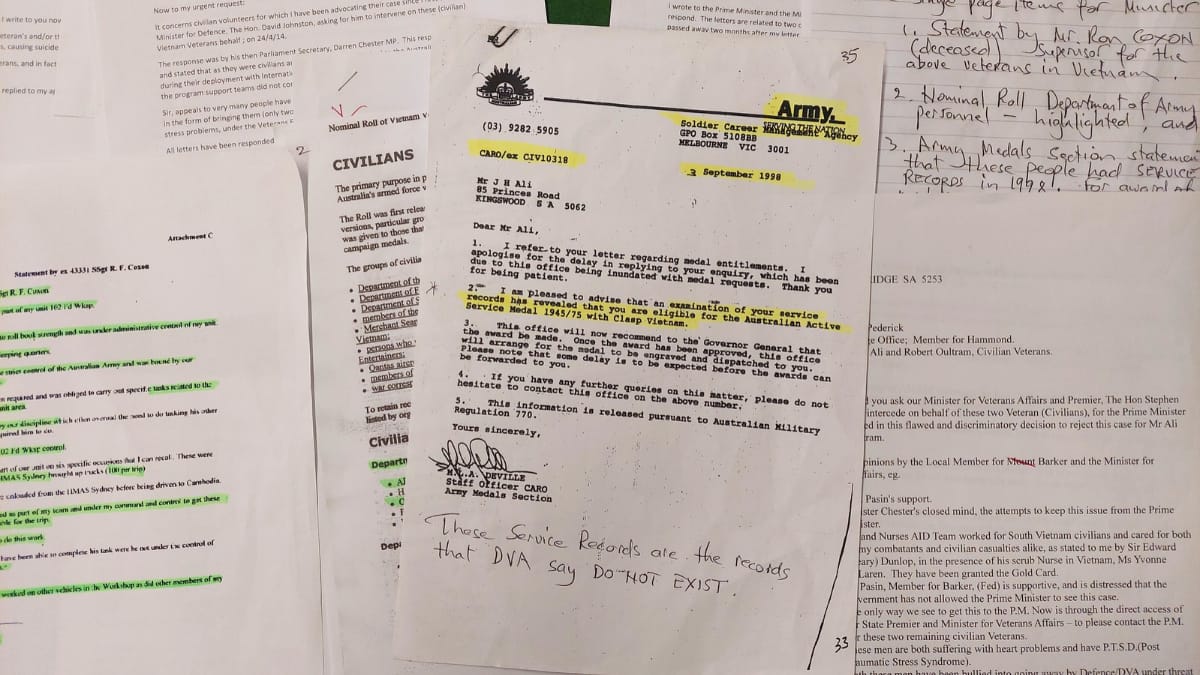
He was awarded the Australian Active Service Medal and Vietnam Logistic and Support Medal; and is listed under “Department of the Army personnel” on a Department of Veterans’ Affairs roll of Vietnam War veterans, albeit with the wrong middle name.
But he was never paid a pension and was never granted a gold card, denying him access to free medical treatment.
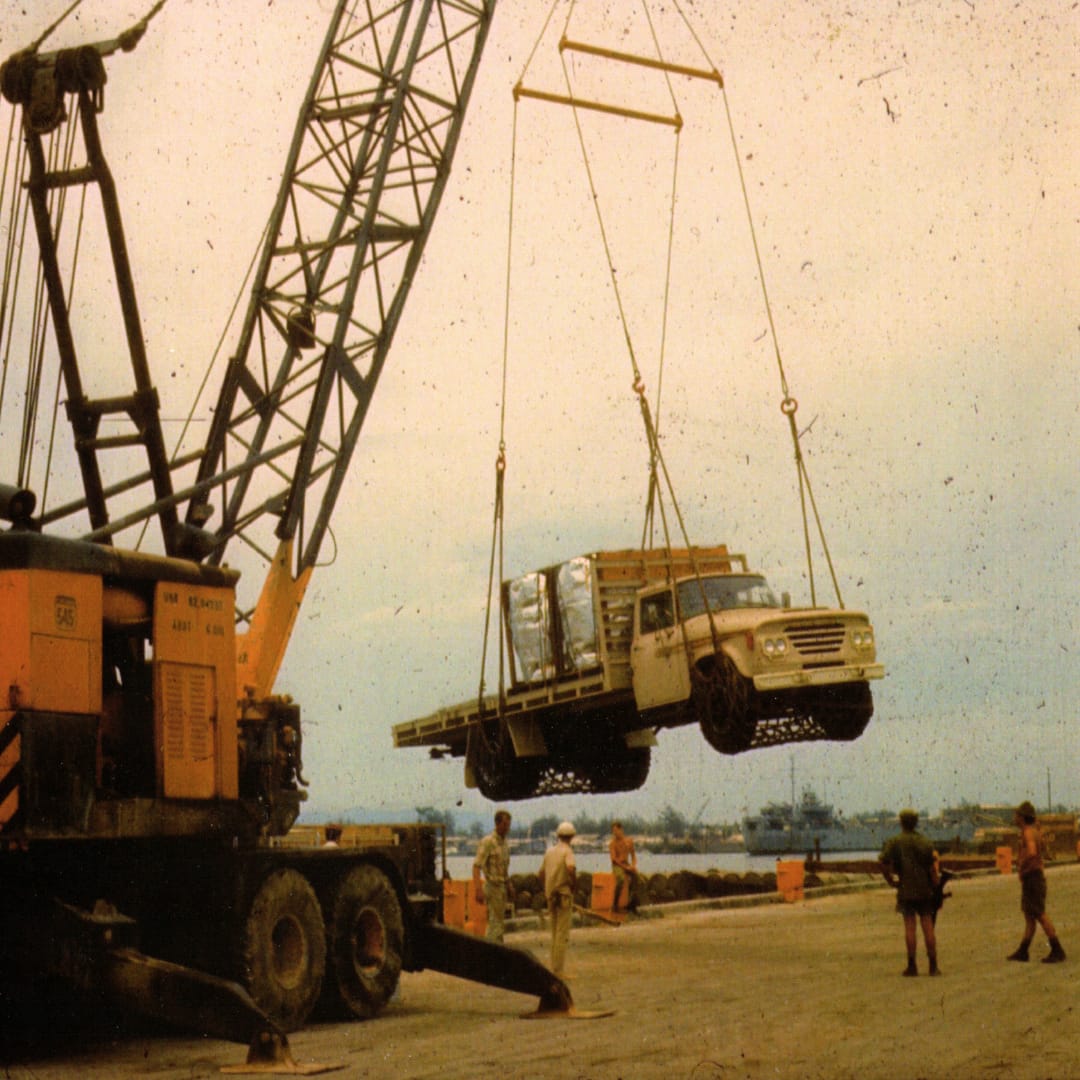
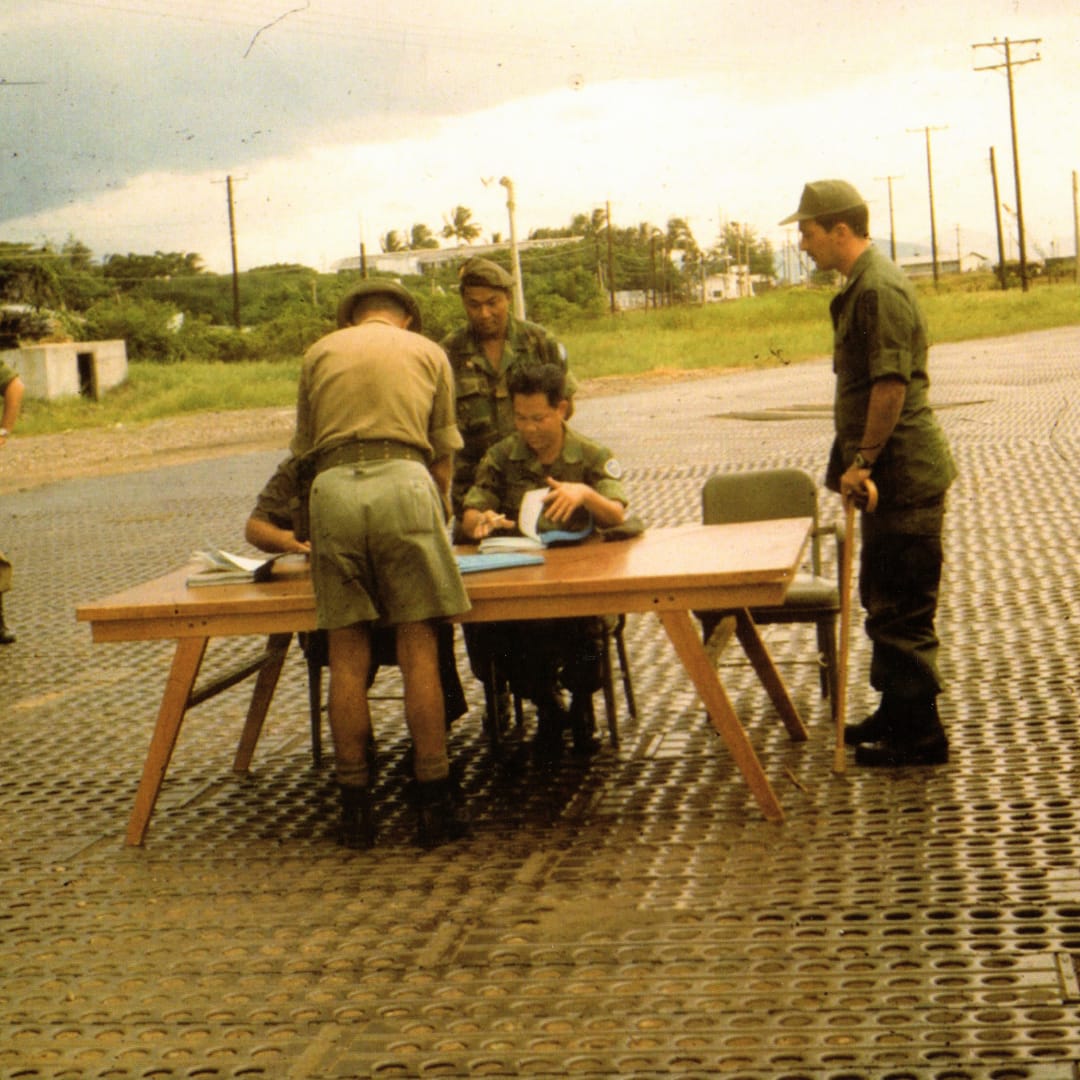
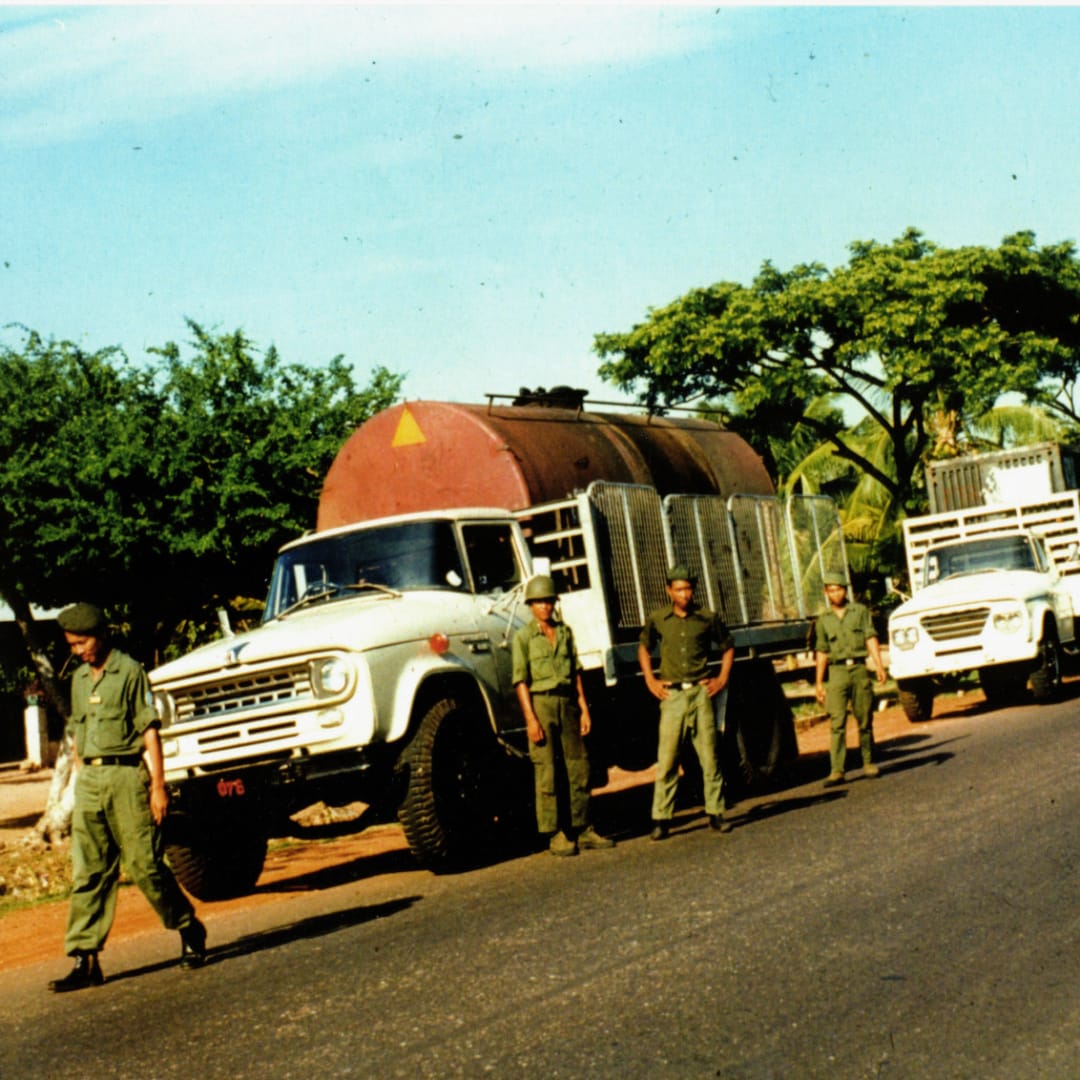
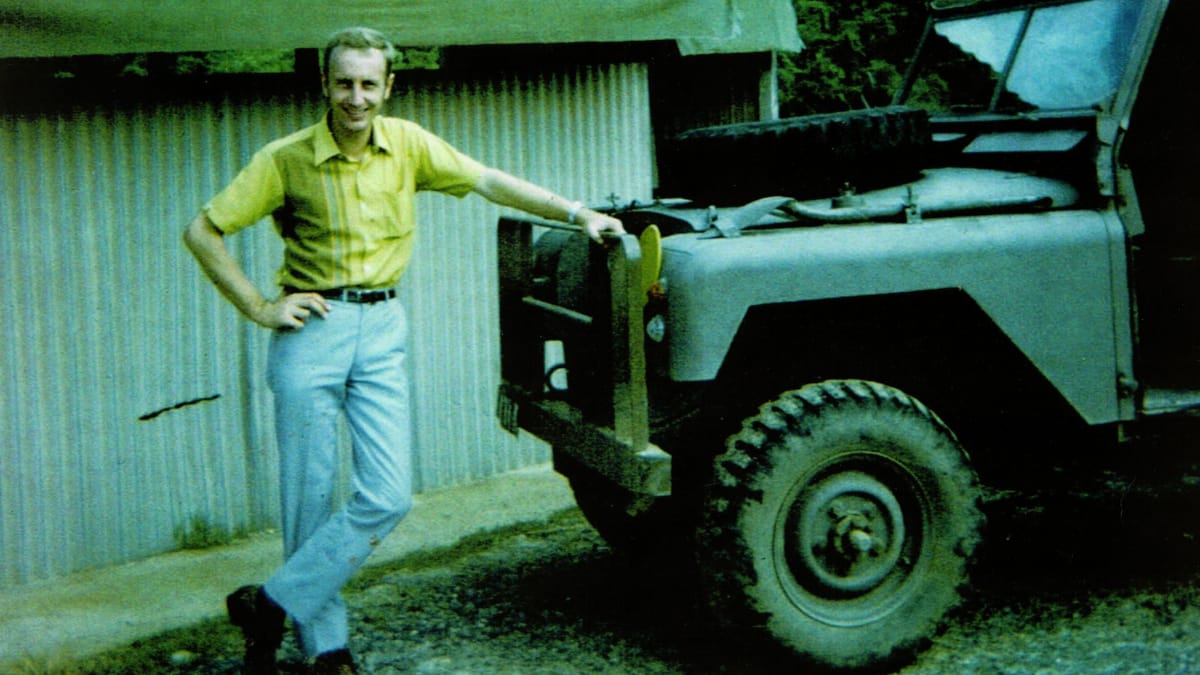
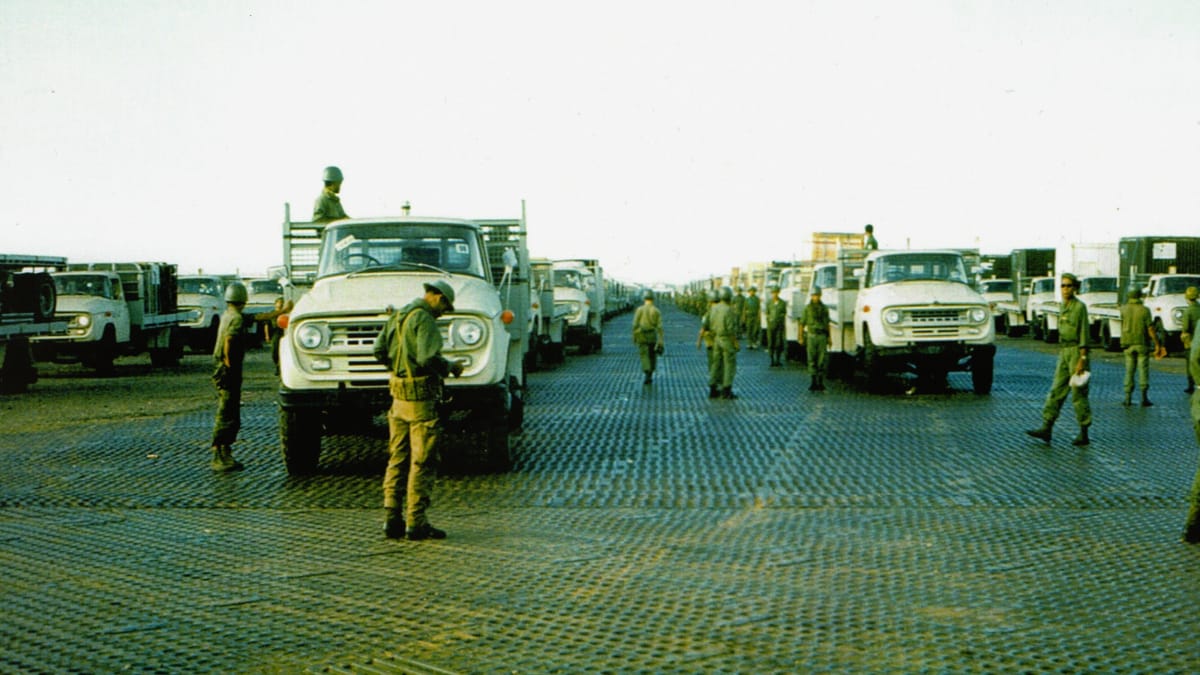
John Ali, bottom left, was involved in a secret operation which delivered hundreds of trucks through South Vietnam to an agency of the Cambodian government during the Vietnam War. Photos: John Ali.
“Had they done the right thing years ago, in my mind, I believe I would have received TPI (totally and permanently incapacitated status), a gold card, and my life would’ve been a lot better,” he said.
“I would have been supported.”
His pleas to successive veterans’ affairs ministers have fallen on deaf ears, but he had hoped that the current minister, Matt Keogh, would see the light.
“The buck stops with Matt Keogh,” Mr Ali said.
“He needs to sit down, have a good look at himself and come up with the right answer instead of palming it off.
“I’ve been extremely patient, and I consider (the department’s) attitude is one of absolute disgrace.”
Advocate refuses to let Veterans’ Affairs off the hook
Fellow veteran Adrian Walford has been advocating with the Department of Veterans’ Affairs on Mr Ali’s behalf for more than 12 years.
That work has involved digging through archives to find proof of his service – a difficult task given that the truck delivery mission, called Operation Eclipse, was highly confidential.
He has argued the case at four different tribunal hearings and three appeals; and secured testimony from the late Ron Coxon, an Australian Army staff sergeant who stated that Mr Ali’s team had been under his administrative control.
Since Murray Bridge News last highlighted Mr Ali’s story in 2022, he has also uncovered previously confidential evidence in the National Archives, including:
- A 1971 telegram which emphasised the difficulties the truck mechanics had faced in Cambodia, and the fact they were being paid by the Australian government
- A 1972 telegram from the Australian embassy in Phnom Penh which clearly described the trucks as being used “for military purposes”
Mr Walford appreciated that DVA did not want to set a precedent, but as he put it, Mr Ali was the last man standing.
The other seven mechanics had gone to their graves.
Whether it was because they didn’t want the financial liability, or because generations of bureaucrats had wanted to bury any evidence of Australia sending Defence Force personnel to a neutral country, the department had repeatedly made the wrong decision about Mr Ali’s case, he argued.
But while Mr Ali lived, there was still time to make things right.
‘Why have we let our guys down?’
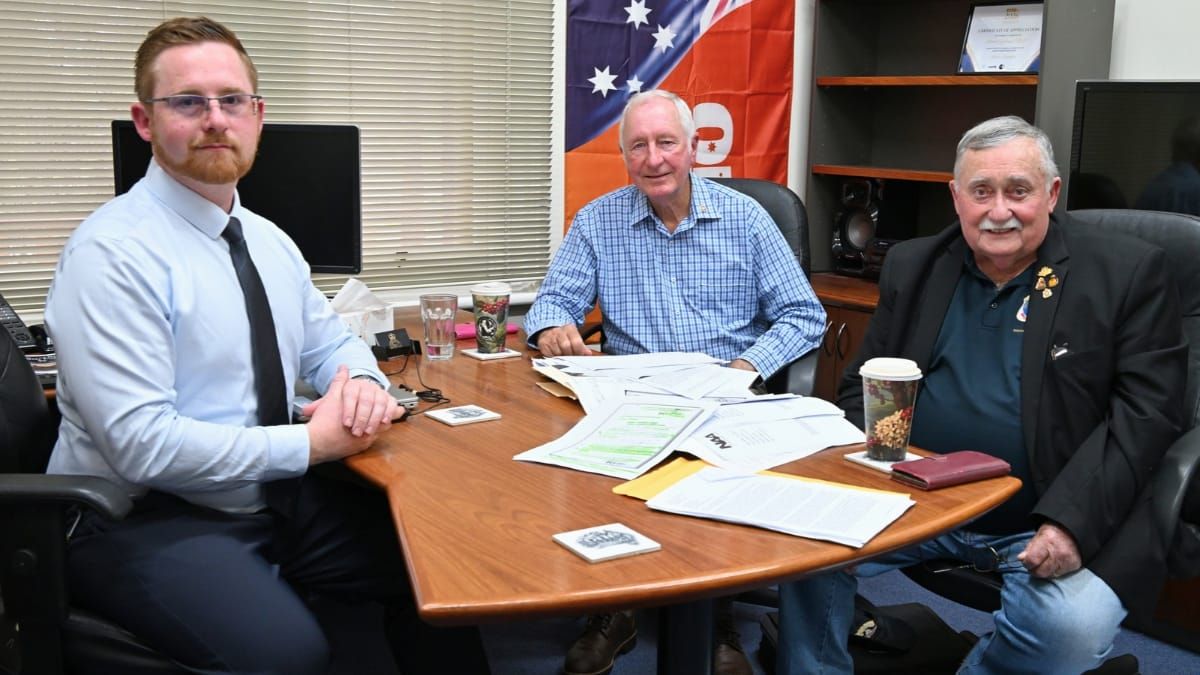
Recently elected state MP Robert Roylance felt a pang of solidarity when Mr Ali’s story came to his attention.
As a former Army Reservist and a patriot, it frustrated him to think that Mr Ali had been fighting a battle against the bureaucracy for so long, and that the nation could not show more gratitude for his service.
Mr Roylance highlighted his story in state parliament last month, shortly after Vietnam Veterans’ Day, adding to previous advocacy work by former MP Adrian Pederick and federal MP Tony Pasin.
He also wrote to Mr Keogh to argue Mr Ali’s case, without a response.
He hoped his One Nation colleague Barnaby Joyce would be able to raise the issue in federal parliament in the near future.
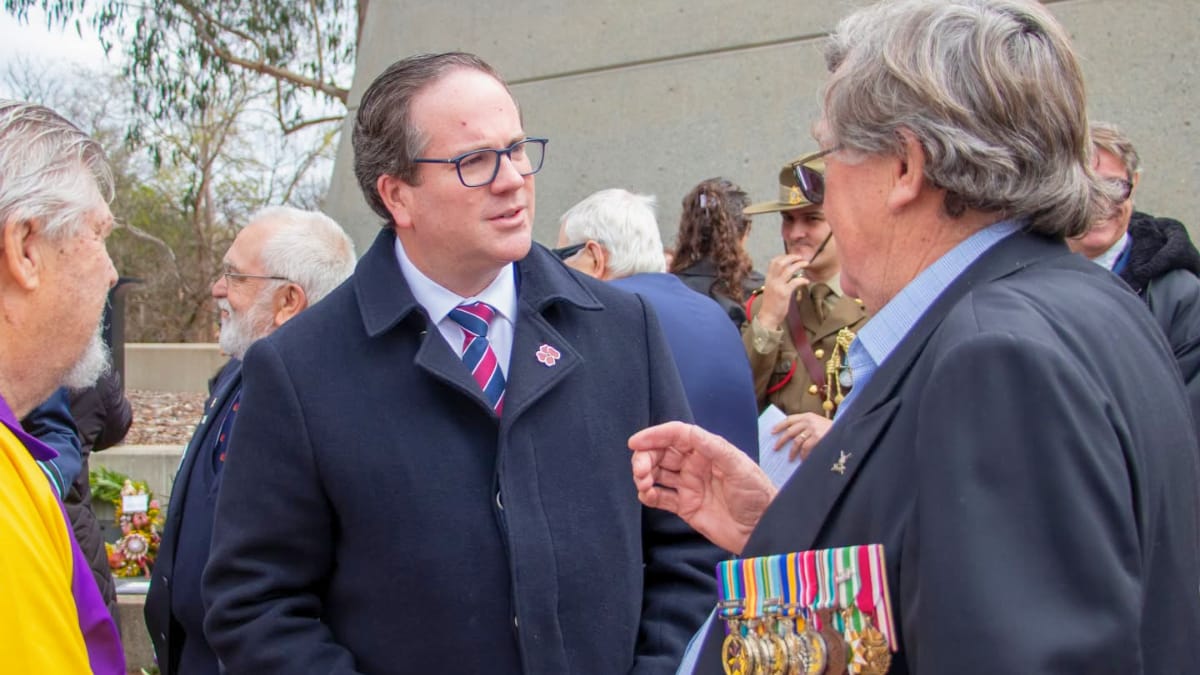
“The ball’s in Matt Keogh’s court,” Mr Roylance said.
“Given John’s service, why has he had … no actual benefits, especially for someone who’s gone through most of his life dealing with PTSD and distress?
“Why have we let our guys down?”
He, too hoped Mr Keogh would revisit the department’s decision not to grant Mr Ali the support he needed.
“You’re the top man,” he said.
“Make this happen, please.”
Minister says a flat ‘no’
Unfortunately, for the time being, at least, it seems unlikely that the minister will have a change of heart.
When contacted by Murray Bridge News about Mr Ali’s case, a spokesman for Mr Keogh issued a blunt, one-sentence statement.
“Defence advises Mr Ali was never a member of the ADF (Australian Defence Force),” the spokesman said.
The spokesman suggested Mr Ali had never been issued with a service number, and had continued to be a civilian employee of the International Harvester Company during his time overseas.
While he had received some support from the ADF while he transited through South Vietnam, in the minister’s view, Mr Ali was never part of nor formally attached to any military unit.
Mr Walford said he was disappointed by the minister’s response, if unsurprised.
He hoped Australia’s next Veterans’ Affairs Minister would be more accommodating.
- Contact Matt Keogh: Email Matt.Keogh.MP@aph.gov.au.
- Read more: Last survivor of a secret Vietnam War mission, John Ali fights for justice
Correction: An earlier version of this story had a name spelled incorrectly.