Racing helps 23-year-old Cheyanne Richter recover from stroke
A Murray Bridge woman has shared her inspiring story in the hope of raising awareness about the signs of a medical emergency.
This story was contributed by the Stroke Foundation.
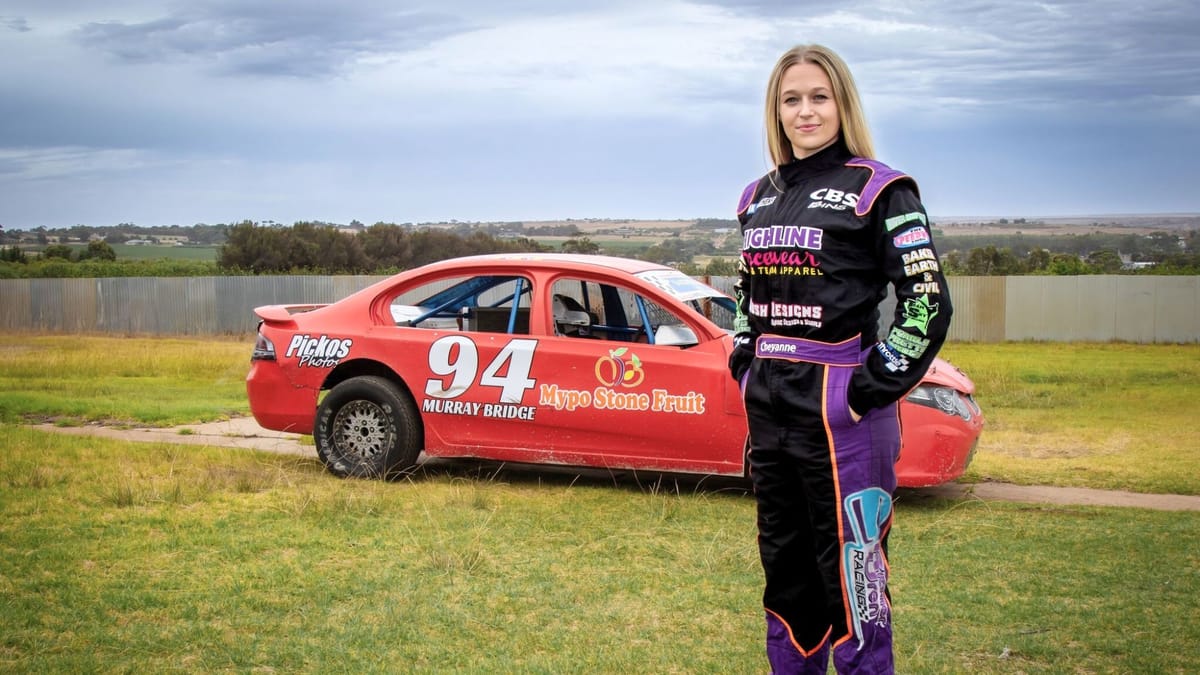
A Murray Bridge woman who was forced to put her life on hold after a devastating stroke has used her passion for sport to drive her recovery.
Cheyanne Richter was just 23 at the time of her stroke.
A busy working mum, she was juggling motherhood with her two other passions, calisthenics and speedway driving, when her stroke struck.
“I was putting my daughter to bed; as I stood up, I took a few steps and everything went blurry; next thing I knew, I collapsed,” she said.
“When I came to, I was on the floor (and) I assumed it was from dehydration or exhaustion – the last thing I thought of was stroke.
“It’s scary because it came out of nowhere: one minute life was normal, the next, everything changed.”
At hospital, an MRI confirmed Cheyanne had experienced a stroke due to an undiagnosed hole in her heart.
Her recovery was long and painful.
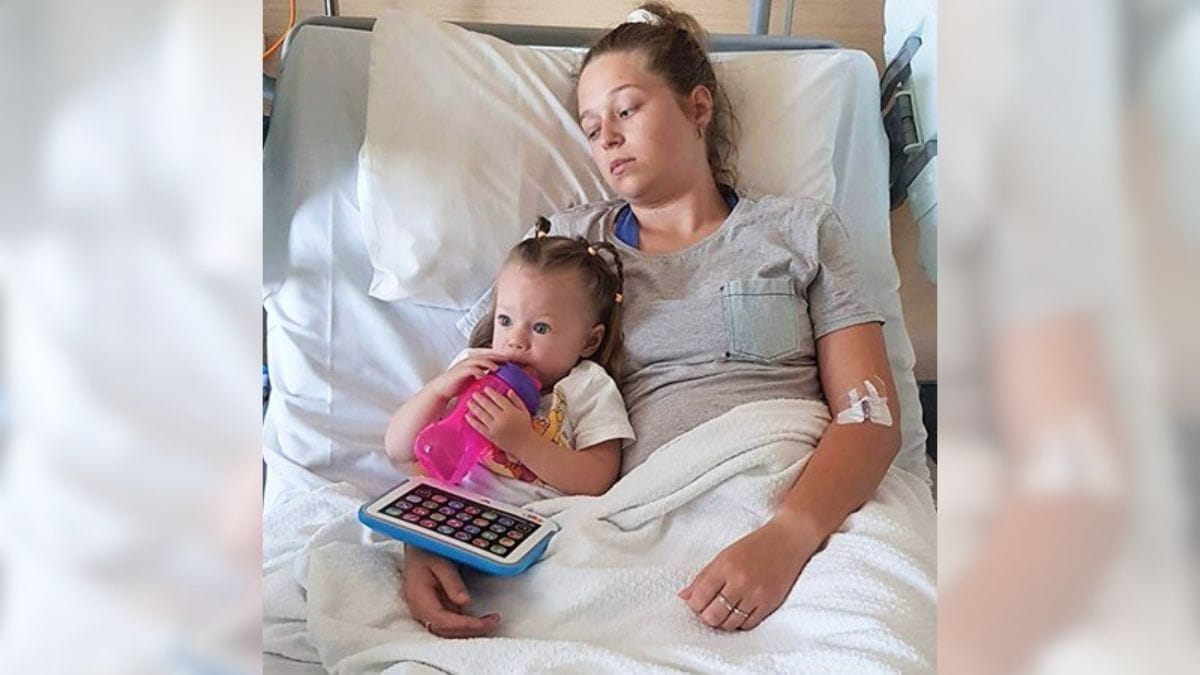
She spent four weeks in hospital and three months in rehab.
“Learning to walk was one of the most frustrating things because your brain and body don’t communicate properly,” she said.
“I was able to draw on my experience in calisthenics to help with my recovery: I was able to use routines and repetition, and that helped rewire my brain.
“Racing was my ultimate goal.
“After my stroke I couldn’t drive for more than six months, and I thought I may never race again.”
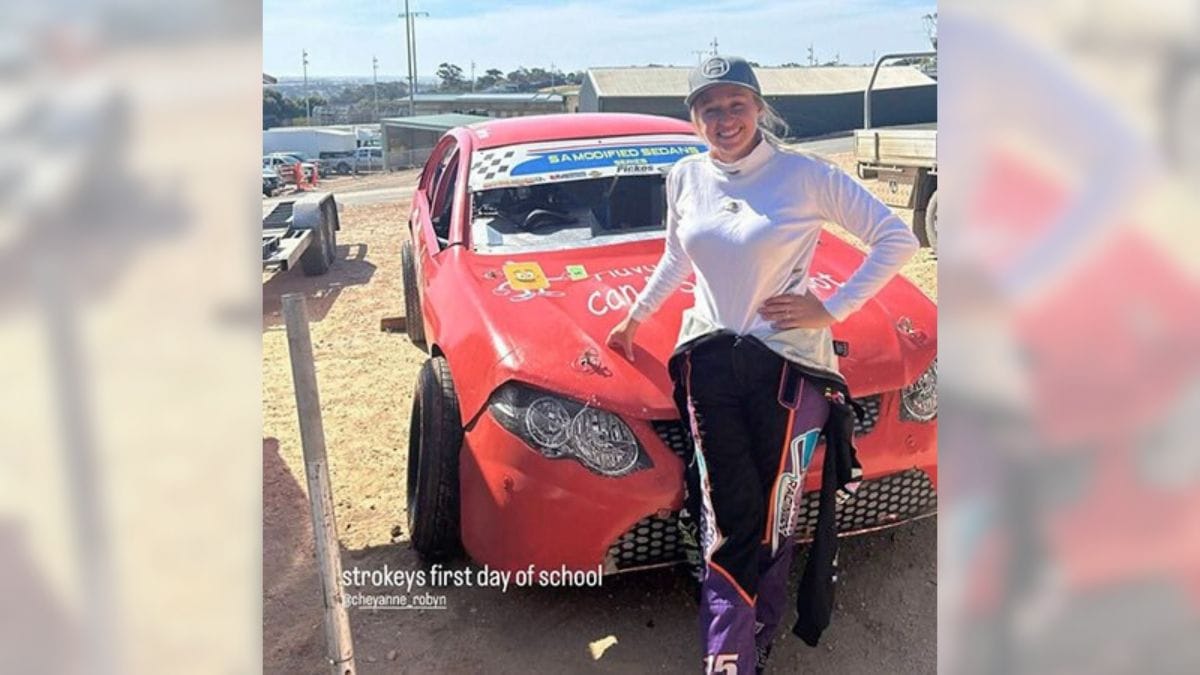
Two years later, Ms Richter was able to get back into the driver’s seat, something she had thought may never happen.
“It wasn’t just a race anymore, it felt like such a huge moment,” she said.
“It wasn’t just about driving, it was about getting a part of my life back that I thought I’d lost forever.”
Stroke Foundation chief executive officer Lisa Murphy said that while stroke was always a time-critical medical emergency, women remained at greater risks of experiencing delays in diagnosis and treatment.
“Research shows that, in emergency departments, women have a 25 per cent higher chance of being told their stroke is something else,” Dr Murphy said.
“Stroke can look different in women.
“Women may have the usual FAST signs, but they can also feel a severe headache, confusion, loss of balance, or extreme tiredness.
“These symptoms are sometimes confused with stress or a migraine, which can delay treatment.”
That mattered when it came to stroke, she said: “The sooner a stroke patient gets medical attention, the better their chance of recovery.”
- More information: strokefoundation.org.au/about-stroke.
Learn the FAST signs of stroke
- Face: Has their mouth drooped?
- Arms: Can they lift both arms?
- Speech: Is their speech slurred? Can they understand you?
- Time: Time is critical – if you see any of these signs, call 000