Questions abound at Tailem Bend AI factory meeting
But proponents Firmus Technologies are determined to show that the biggest development in the Murraylands’ history will be a net positive for the community.

This story is now free to read. Help Murray Bridge News tell more stories like this by subscribing today.
Tailem Bend locals are apprehensive about the idea of an AI factory being built in their community.
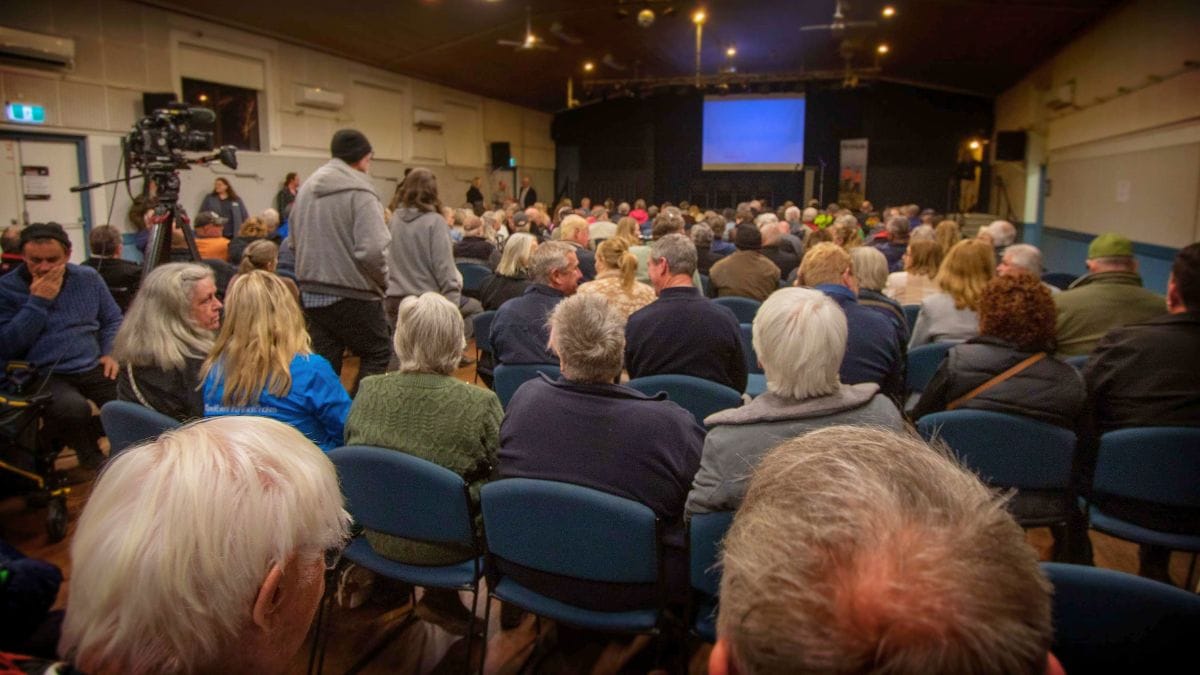
Fear and uncertainty were the prevailing emotions among 250 attendees at a public meeting on Wednesday night with Firmus Technologies, the company pushing for a multi-billion-dollar development just outside the town.
Questions abounded about how much power and water the data centre would use, whether it would make noise or disturb the environment.
Some were answered in Firmus’ presentation: it would consume far fewer resources than other projects overseas, and would be built to the highest standards.
Other questions went un-answered because the technical work had not been done yet.
Some audience members didn’t ask questions at all; they raged, shaking fists and expressing their terror at the idea that something like this might be built in their collective backyard.
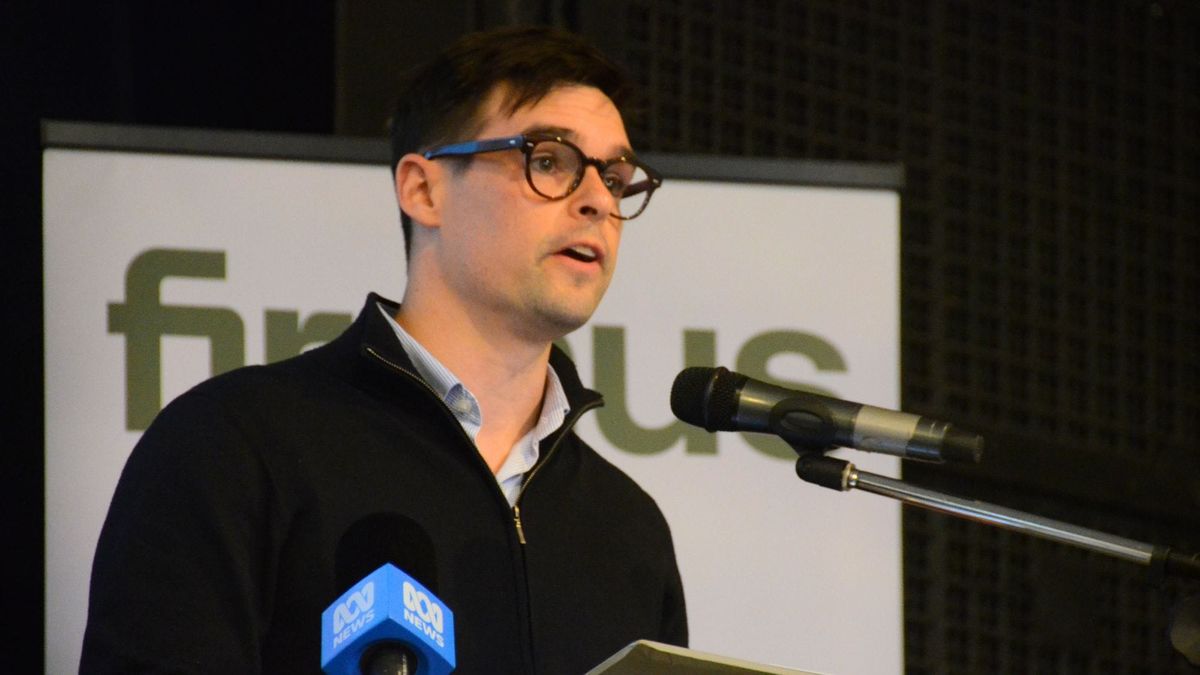
But CEO Tim Rosenfield, energy general manager Paul Grzinic and head of property Will Close listened to them all with patience, and gave repeated promises that Firmus would be a good corporate citizen and net contributor to the community.
He shared their concerns about wasteful data centres elsewhere, he suggested.
In fact, that was why he, Oliver Curtis and Jonathan Levee had founded their company in the first place: to do things differently.
“I respect the things that you might read online about water use, about energy use, about noise, but those data centres (in the US) I think have been designed very poorly,” he said.
“I want to give you the evidence so you can make an informed decision.”
Tailem Bend was the perfect place to implement Firmus’ ideas, he said, having been recommended by the state government and electricity transmission company Electranet.
What did we learn about Firmus’ proposal?
The numbers around this project boggle the mind.
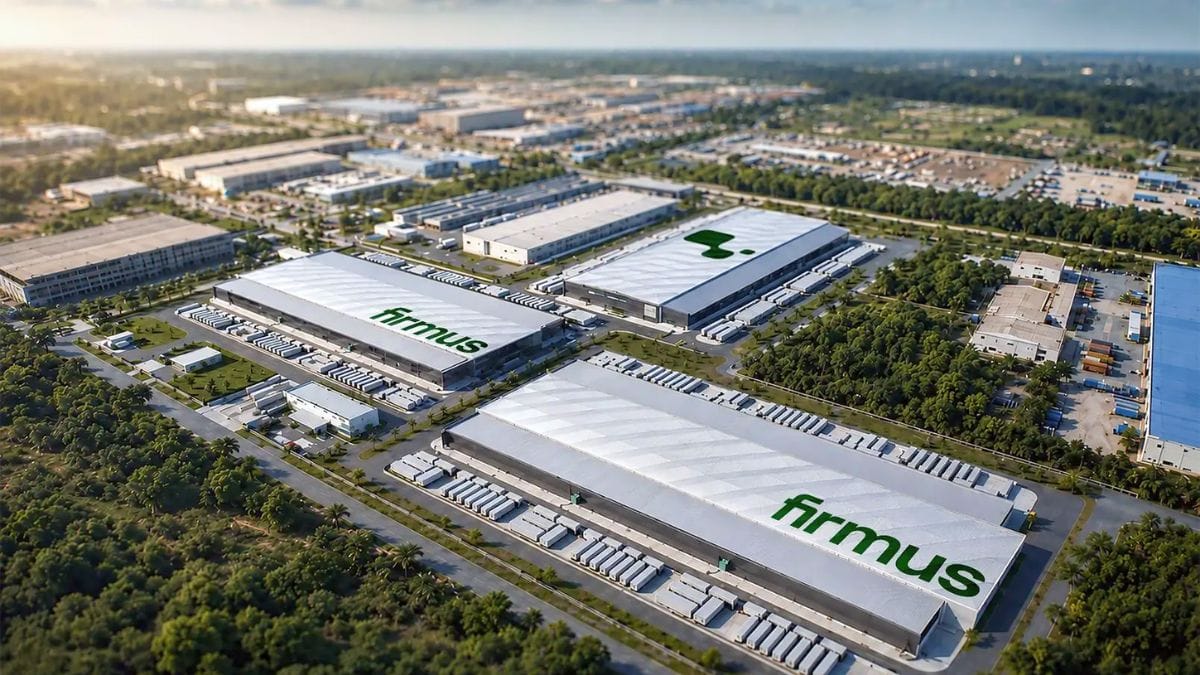
With an estimated value running into the tens of billions of dollars, Firmus’ AI factory would be the most expensive investment ever made in the Murraylands: equivalent to something like six Gifford Hills, 150 Thomas Foods plants or 300 Bend Motorsport Parks.
The term “AI factory” was more accurate than “data centre” in this case, Mr Rosenfield suggested: unlike most data centres, which were designed to store information, the Tailem Bend facility would be made to perform calculations.
In household computer terms, it would be eight warehouses full of processors, not hard drives.
The facility would be located on Westbrook Road, about four kilometres northeast of the town – a road which the company would pay to upgrade and maintain as needed.
Firmus would create about 500 jobs during construction, and 500 more would be needed to operate and maintain it for a period of at least 20 years.
Many of the ongoing roles would be technical ones so new that no TAFE course had yet been created to train anyone for them – Firmus has taught most of its own technicians in-house.
There would also be jobs would be for security guards, cleaners and other workers with more traditional skill sets.
The company would build its own housing for those workers, consulting with the Coorong council about where to put it.
Yet the facility would only use about 112 megalitres of water per year – about the same amount as 35 hectares of irrigated pasture, or 10 hectares of citrus trees.
Its cooling system would be an almost entirely closed loop, with water re-circulating continuously without ever being exposed to evaporation, “like the radiator in your car”.
A little extra water would need to be sprayed through misters and onto the facility’s cooling towers on the hottest summer days; and the company would pay for any necessary upgrades to SA Water pipes and pumps.
“We’re going to be a big part of the community, so it’s probably appropriate that we help upgrade services for everyone,” Mr Rosenfield said.
Power was another story.
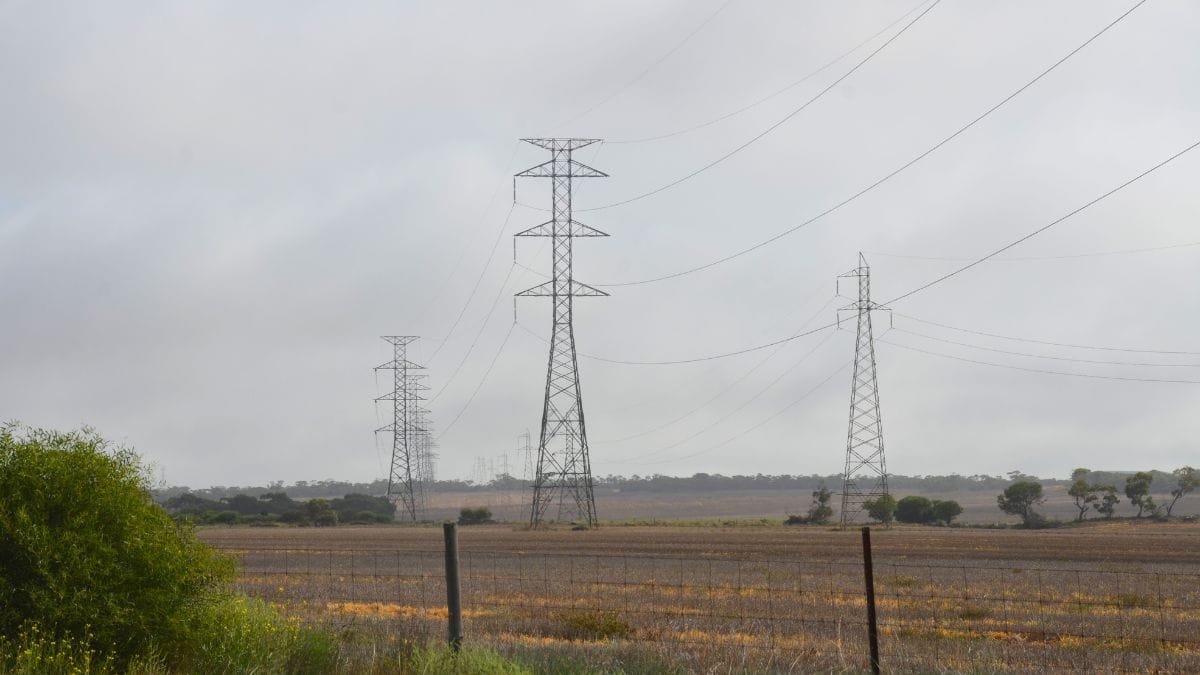
The Tailem Bend facility alone would consume 600 megawatts of electricity initially, and up to 1.2 gigawatts when completed – more than 10 per cent of South Australia’s current generation capacity.
But, as Murray Bridge News reported a fortnight ago, Firmus had already signed a deal with energy company Gunvor to build 1.2GW of new renewable generation, plus batteries with a capacity of 1.5GW-hours, by 2032.
The company’s aim will be to underwrite twice as much power generation as it will use, with the rest to be sold on to South Australia’s power grid.
Firmus’ business model assumed the AI factory would only run 97.5% of the time, shutting down during periods when there was too much stress on the grid.
“I was brought up in a house where you were told to turn off the lights when you leave the room, and make sure that you don’t take long showers,” Mr Rosenfield said.
“That’s the Australian way.
“We’re appropriately precious with our resources – that’s our ethos.”
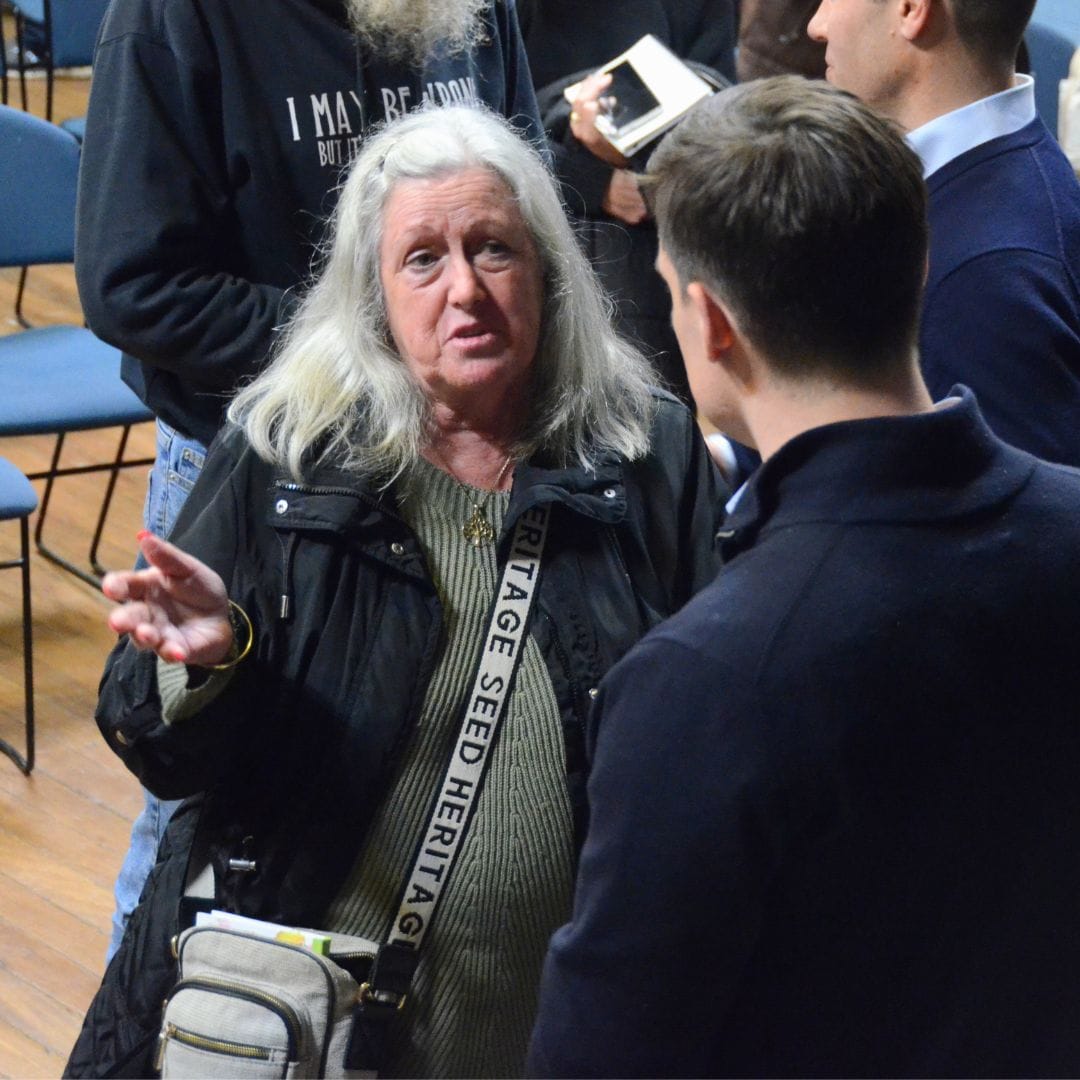
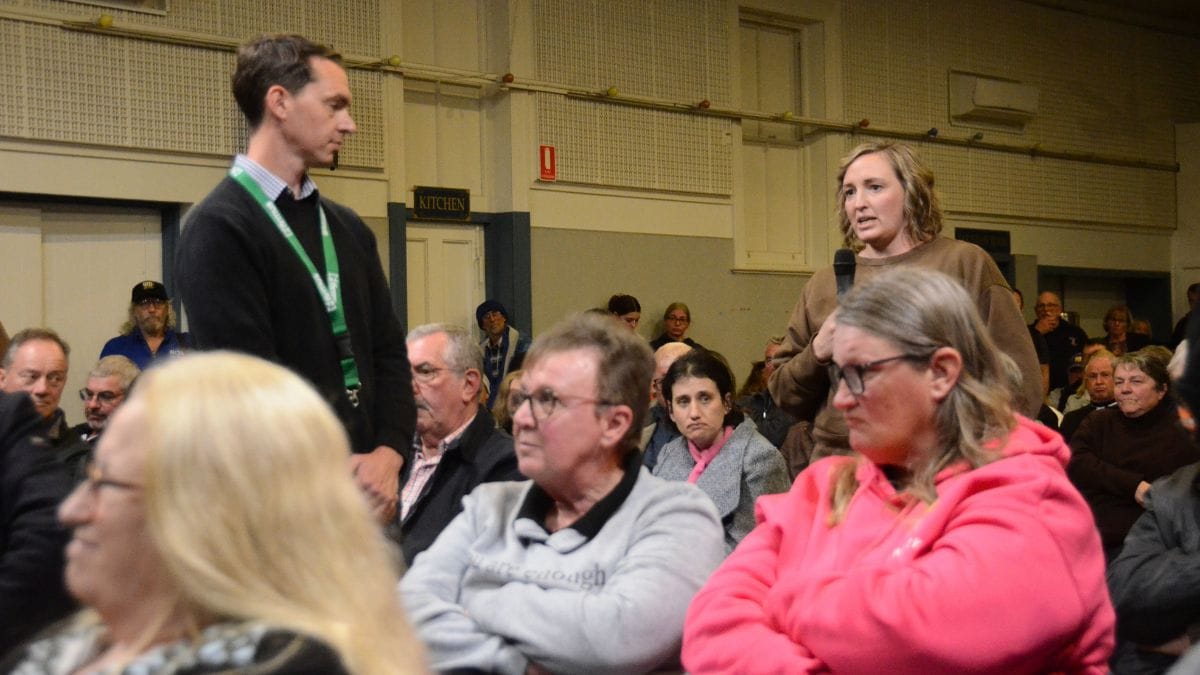
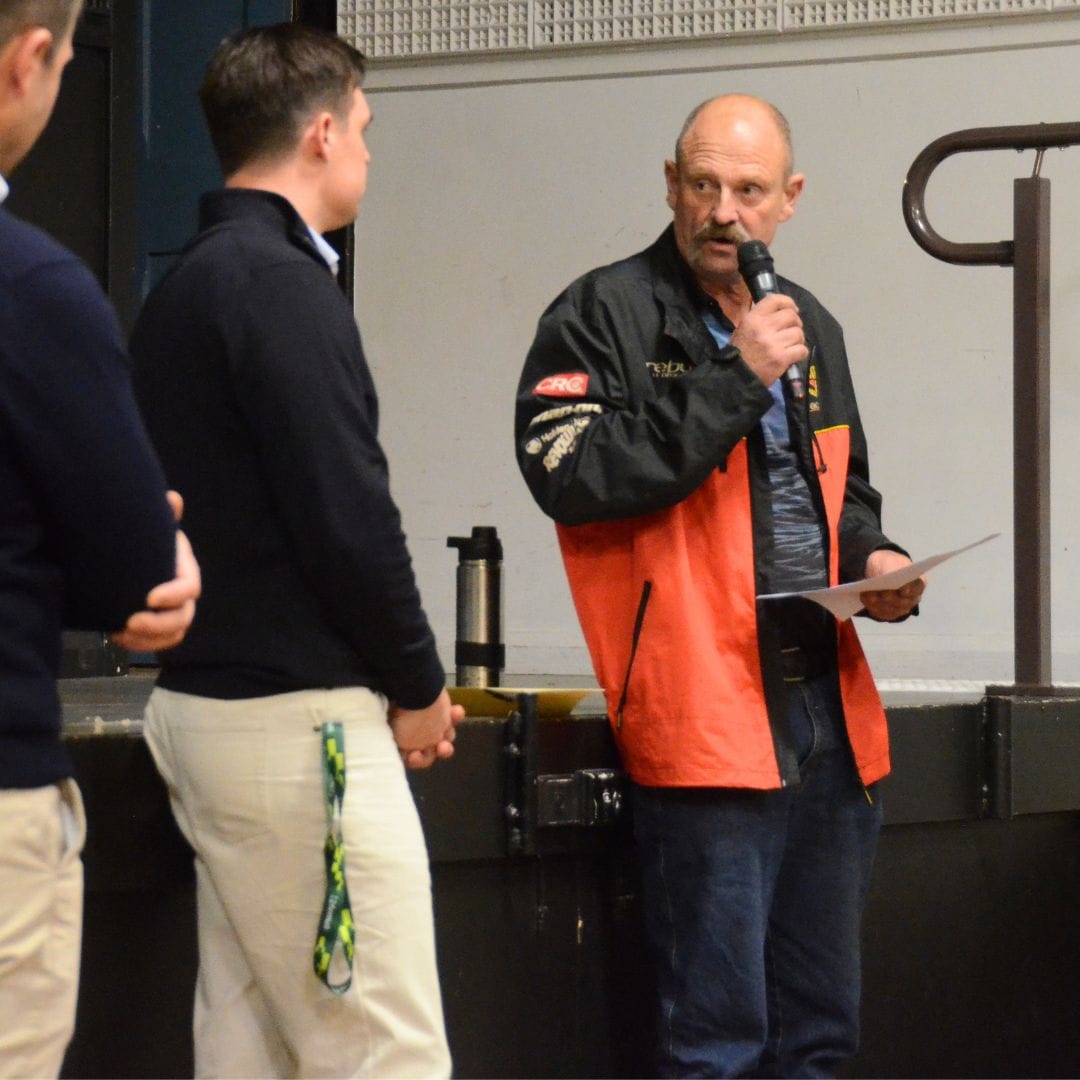
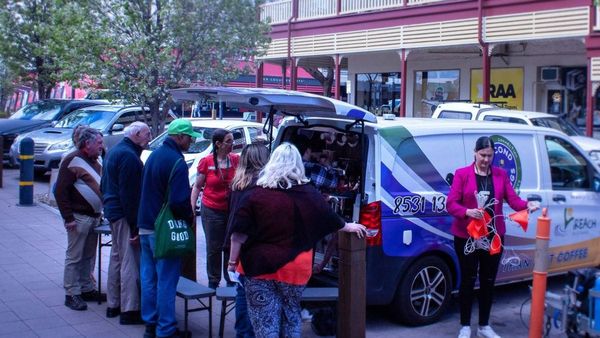
Audience members express their concerns on Wednesday night. Photos: Peri Strathearn.
Residents fear unfamiliar technology
Audience members asked questions about radiation, low-frequency noise, heat islands and health effects on animals and humans.
“We’re not all banjo-picking hillbillies that know nothing,” one audience member said.
“They had a big thing on 60 Minutes the other night about this, and one of the things that they said was … ‘Don’t let any of them do this where your children are growing up,’” said another.
Mr Rosenfield suggested Firmus would comply with all relevant Australian standards, and no such problems had been observed at its AI factory sites in Launceston, Melbourne or Singapore.
He encouraged anyone with technical questions to fill in a community survey the company was now circulating online, and to have their say during the public consultation period that would be required as part of the approval process.
Asked about the trustworthiness of his co-founder, Mr Curtis, who committed insider trading 18 years ago and spent a year in jail, Mr Rosenfield was reflective.
“He’s been pretty public about this … as a young man, he made a mistake, got a bit of an ego, got too big for his boots,” he said.
“He’ll be the first to admit he made a mistake.
“I know people have doubts about that, and I appreciate that, but (Firmus) is not just Ollie … we have good people, we have good governance systems, we have great investors and I hope to earn your trust.”
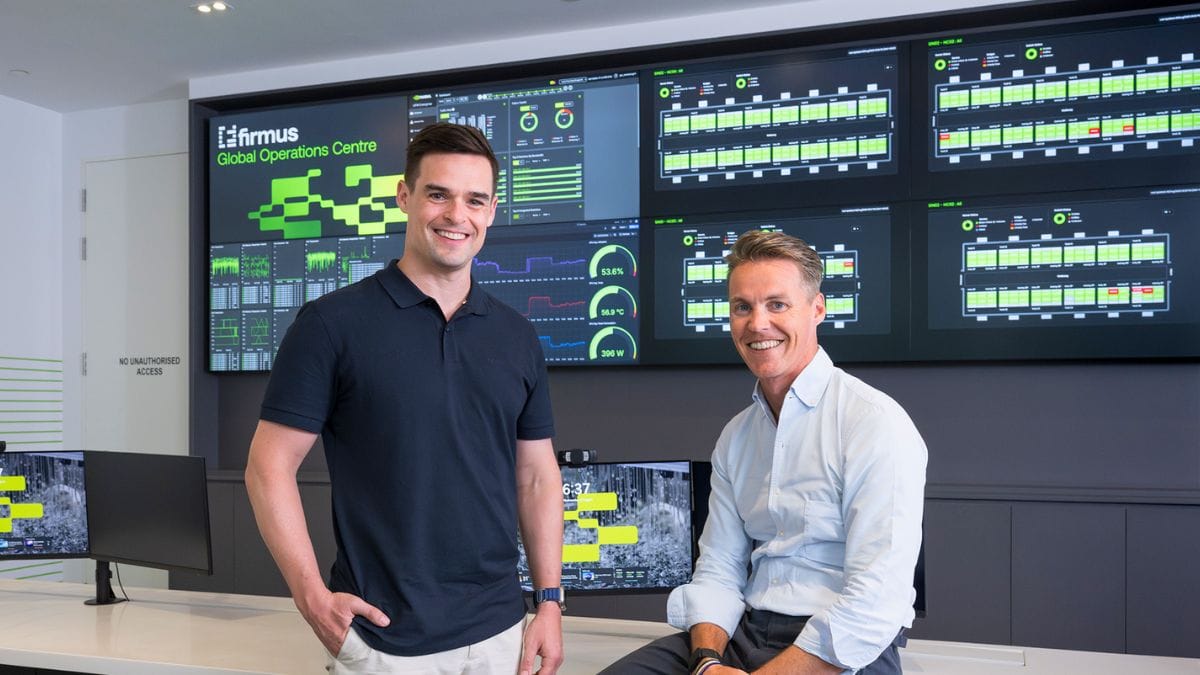
Asked if the AI industry were a bubble destined to pop before the facility could be built, he said no: “We’re not speculators.”
But perhaps the biggest question of the night, yelled from the back of the room, was one nobody could answer.
By aiding and abetting the AI revolution, would Firmus’ proposal ultimately contribute to the dulling of human skills and replacement of human jobs at a global scale, benefiting only the likes of billionaires like Elon Musk and Sam Altmann?
Was the shift towards AI happening too fast?
Mr Rosenfield said those matters were above his pay grade.
“As a parent, I share your anxieties around what the future looks like,” he said.
He did suggest Firmus would not rent out its processing power to corporations like Palantir which were involved in international surveillance operations: “We’re choosy … we won’t be working with that calibre of customer.”
The meeting ended with shouting from a minority as some locals continued to express their concerns.
Those who walked into the town hall dead-set against data centres likely walked out with the same feeling.
But it was a conversation-starter.
What happens next?
Firmus promised to hold more public meetings, at Tailem Bend and around the Murraylands, as the company came closer to filing a development application.
A great deal of work was needed before the company could even ask the state government for its approval, let alone start construction.
The state government – not the Coorong council – will ultimately be responsible for deciding whether the project goes ahead.
But the council and its residents would benefit financially if the project went ahead.
The property rates alone from such a valuable development could theoretically increase the council’s budget many times over, easing the burden on residents or giving the district better roads and facilities.
Firmus would pay its council rates bills, Mr Rosenfield said: “That’s a guarantee.”
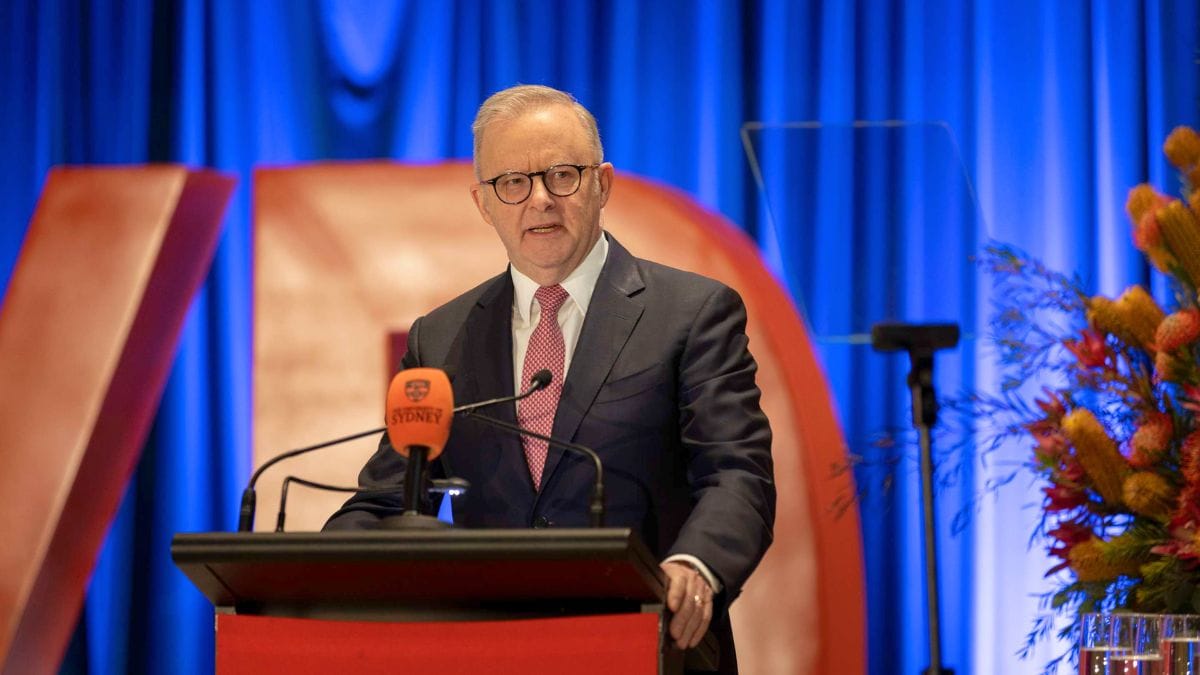
Federal government wants ‘AI in Australia’s interests’
Meanwhile, only a day earlier, Prime Minister Anthony Albanese announced that the federal government would introduce Australian standards for AI and data centres: a set of minimum obligations for developers like Firmus.
Companies would have to:
- underwrite their own power supply
- pay connection costs so people’s power bills wouldn’t be affected
- lower their power use when the grid required
- be as water-efficient as possible
“This world-leading framework is about Australia choosing to shape the future rather than letting the future of AI shape us,” Mr Albanese said.
The state government – which announced its own data centre regulations last month – welcomed the development.
“The federal government’s approach to data centres aligns with our own,” Artificial Intelligence and Digital Economy Minister Chris Picton said.
“When data centres pay their own way, minimise water use and supply their own power, the economic opportunity for Australia is huge.”
- More information: Visit firmus.co or follow Firmus on LinkedIn or X.
- Have your say: Fill in the community survey at firmus.typeform.com or email community@firmus.co.
- Register as a supplier or job applicant: Email jobs@firmus.co.
- Read more: What’s the deal with the two data centres proposed near Tailem Bend?
Correction: Mr Albanese made his announcement on Tuesday.