Prison reading program founder visits Murray Bridge
Anne Bachmann says such programs have benefits for female prisoners. Could they work in men's prisons, too?

Locals support locals – that’s why this recent post is now free to read. Your support can help Murray Bridge News tell important local stories. Subscribe today.
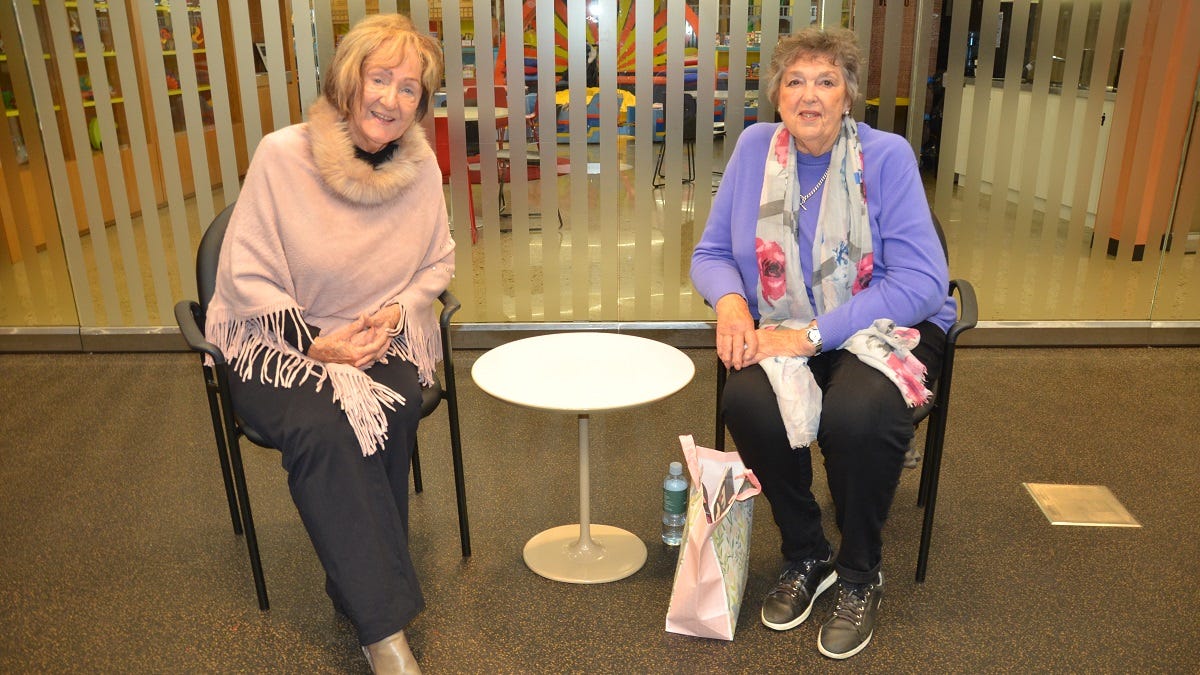
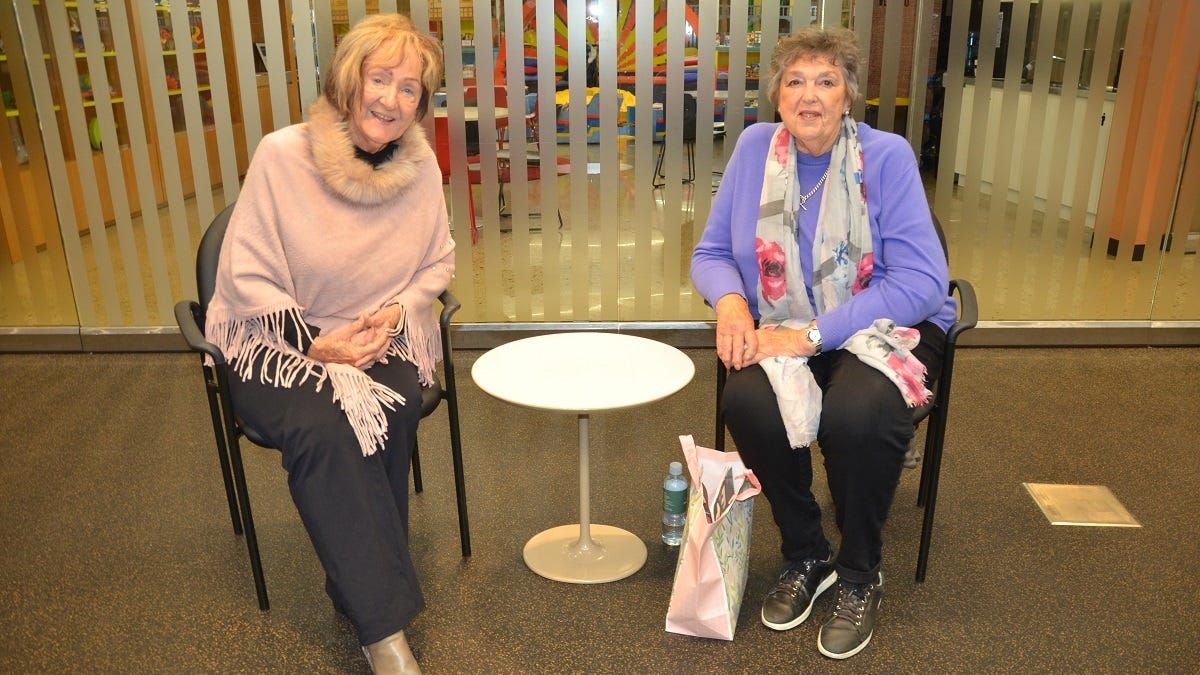
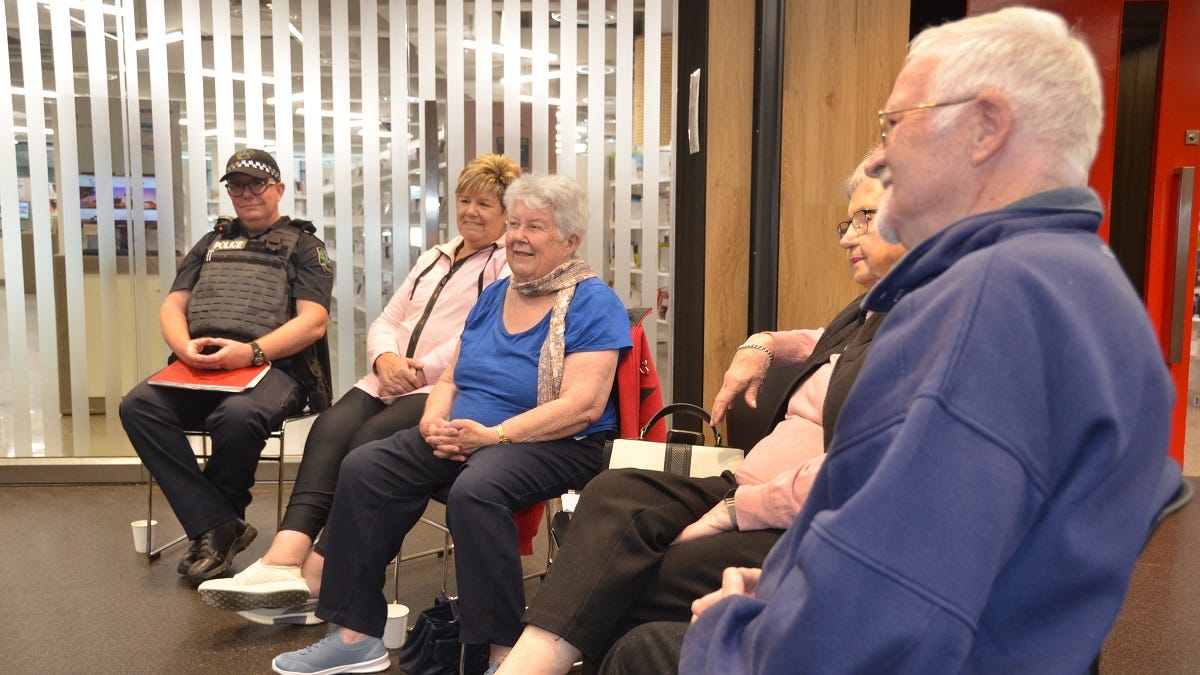
Anne Bachmann OAM has visited Murray Bridge Library to discuss her prisoner reading program with women’s and children’s rights campaigner Annette Korzeba, SAPOL Senior Constable David Brown and other guests.
National Volunteer Week is from May 15 to 23, and one of the many volunteers who should – and has been – recognised for her work is Anne Bachmann.
She has mentored, supported and advised offenders at the Adelaide Women’s Prison for around three decades and started a Mum’s Voice program there.
Mum’s Voice allows mothers in prison to choose a children’s book they wish to read out loud, which is recorded on cassette and transferred to CD; the book and recording are then given to the mother’s child as a gift.
Mrs Bachmann is still in contact with some of the women she has helped in prison, and she sees herself as a mum to these women.
Ms Bachmann said that after going to a Christmas lunch at the AWP and seeing the children “hang off their mums”, she knew “she had to do something for the kids and their mums”.
“I was never ever judgmental, and I spoke to them like I did my own kids – and they were very protective of me.”
After she started the Mum’s Voice program, Mrs Bachmann saw the “tremendous effect on the children” that listening to their mothers read had on the children.
She gave the example of a child who would listen to his mother reading the Pamela Allen children’s book Who Sank the Boat?
It became clear to Mrs Bachmann that the child had formed an emotional bond with his mother through this book, which was set up for the child to listen to at bedtime.
“Every time he stayed with his grandparents, he liked to have that book,” she said.
For mothers in prison who were unable to read children’s books in the Mum’s Voice program, Mrs Bachmann said that they could describe onto cassette what they saw in the book.
In some cases, the mothers even learnt to read the books they chose for their children.
Studies have consistently shown that there a high rates of illiteracy in prisons; the Western Australian Department of Justice’s Literacy and Numeracy Strategy 2017–2020 found that 80 per cent of all prisoners in WA are at or below the skill level expected of an 11-year-old in reading and writing.”
Other studies have found that prisoners who participated in prison education programs were far less likely to re-offend after being released.
Mrs Bachmann believes that prison reading programs could also be beneficial for men.
“To introduce a reading program for men might establish more of a relationship and make kids closer to dad and maybe stave off some stuff,” she said.
“Hopefully, when dad comes out (of prison), he would take his kids to the playground, go fishing and so on.
“If we can get the kids interested in reading, it takes them away from everything else that’s confronting and they can go into that magical world of fairyland.”
What do you think about the potential for prisoner reading programs in Mobilong Prison and other men’s prisons in SA?