Murray-Darling python researchers recognised at SA Citizen Science Awards
The Murraylands and Riverland Landscape Board's iSPYthon project has been named a finalist in 2026.

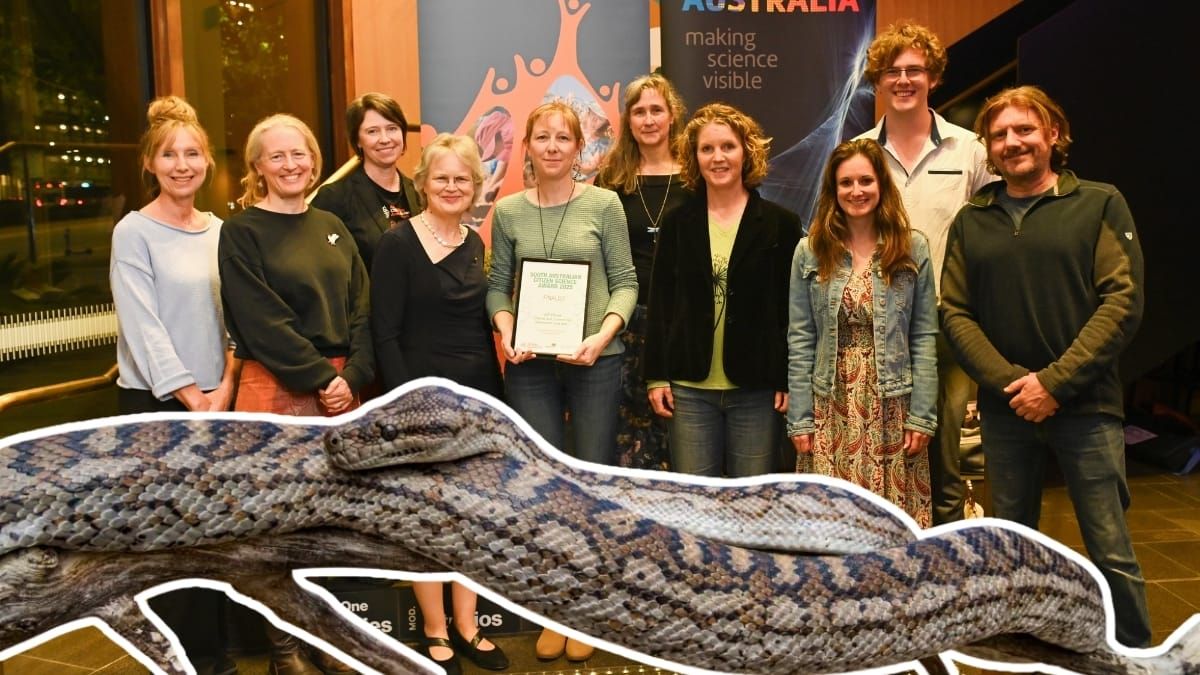
A Murraylands and Riverland Landscape Board project has been recognised as a finalist at the 2026 South Australian Citizen Science Awards.
When the iSPYthon project began, fewer than 15 Murray-Darling carpet python records had been collected across the region in the previous decade.
Four years on, iSPYthon has generated more than 100 validated records, providing valuable insights into where these reptiles live and the habitats they rely on.
The project has brought together the Murraylands and Riverland Landscape Board, First Nations partners, researchers, land managers, schools, volunteers and conservation organisations to expand survey efforts and build knowledge about this elusive species.
Threatened fauna ecologist Mel Burford said being recognised highlighted the important role communities and partnerships played in supporting conservation.
“This project shows what can be achieved when communities, scientists and land managers work together,” she said.
“Every sighting, survey and conversation helps us to better understand the Murray-Darling carpet python and the habitats it depends on.
“The knowledge shared by the community is invaluable.”
Mid Murray Landcare, the River Murray and Mallee Corporation, University of Adelaide researcher Harrison Kent, Animals Anonymous, Zoos SA, Little Australian Stories, Skylos Ecology, wildlife sanctuary Yookamurra, the River Murray Youth Council, local schools and countless landholders all contributed to survey efforts and habitat assessments on their properties.
The team is now asking us to keep an eye out for Murray-Darling carpet pythons this spring.
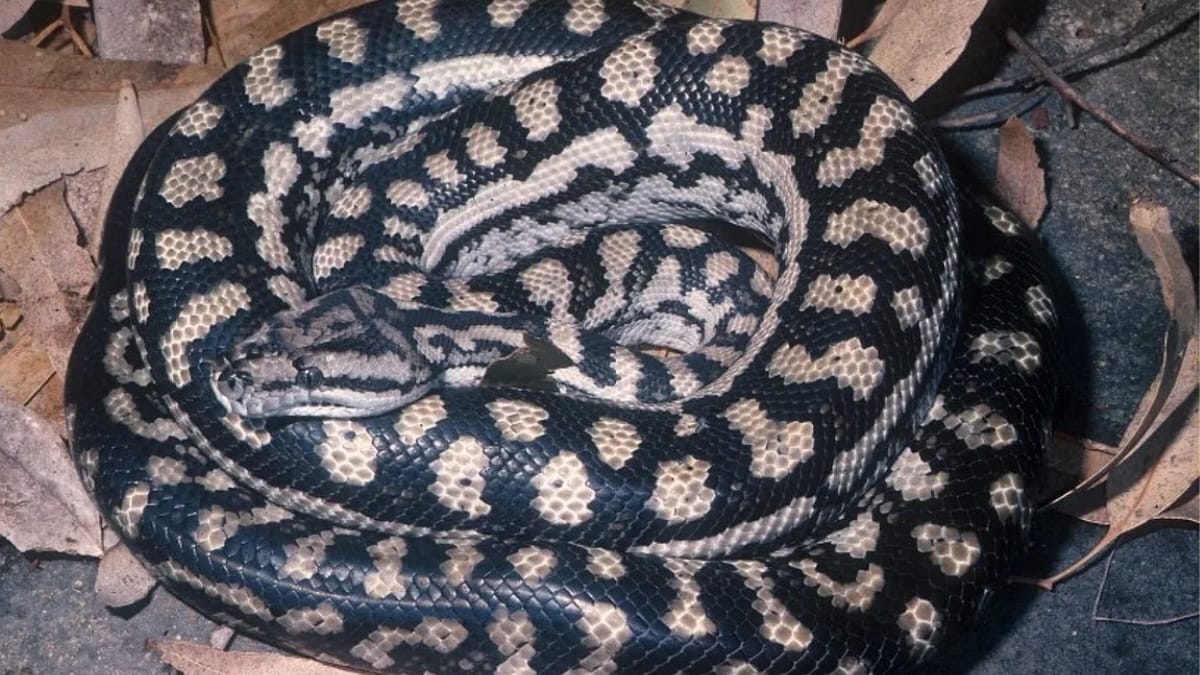
Being non-venomous, Murray-Darling carpet pythons pose little threat to humans.
However, those unfamiliar with pythons can confuse them with other snake species.
Murray-Darling carpet pythons typically feed on small mammals, including rodents, frogs, birds and lizards; and provide great natural pest control.
They are typically timid by nature and will prefer to stay out of sight, only acting aggressively if threatened.
As the weather warms up, Murray-Darling carpet pythons become more active and may be spotted moving through the landscape.
Little is known about the exact current distribution of the Murray-Darling carpet python, but its range is known to have reduced and numbers to have significantly declined.
There are numerous records for the species elsewhere in South Australia, from the Victorian border through to Blanchetown along the River Murray, but in the Murraylands there are very few records.
If you spot a Murray-Darling carpet python, safely take a photo and submit your sighting, as every record helps researchers understand where these pythons are found and supports future conservation work.
- Report a sighting: bit.ly/iSPYthon.