Murray Bridge hospital’s most urgent needs revealed
Public GPs, new dialysis and chemotherapy units and better mental health services are all needed in Murray Bridge, according to a new clinical services plan.

This story is now free to read. Help Murray Bridge News tell more stories like this by subscribing today.
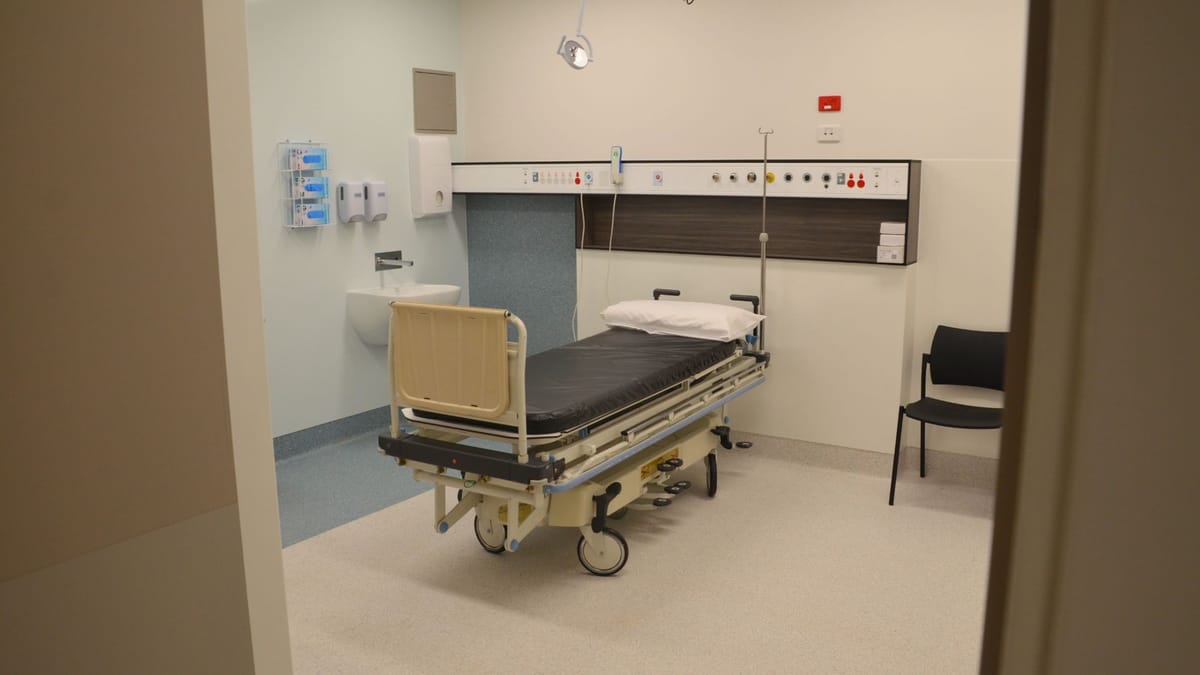
Public GPs and new dialysis and chemotherapy units are among the most urgent needs at Murray Bridge’s hospital, according to a key SA Health plan launched in the past week.
The clinical services plan maps the need for new health facilities and extra staff across the Murraylands, Riverland and Mallee over the next 10 years.
Riverland Mallee Coorong Local Health Network CEO Wayne Champion will be able to take it to his superiors at SA Health and ask for more funding in future state budgets.
Notably, the plan recommends a “salaried medical model” for the Murray Bridge hospital, where SA Health would employ its own doctors rather than relying on GPs from Bridge Clinic and other private practices.
Patients have long called for that model to be adopted locally, mainly because of the fees they have had to pay to visit the emergency department – fees which no longer apply, following recent changes to Medicare.
Also on the shopping list for the Murray Bridge hospital were:
- a new dialysis unit with at least six treatment chairs
- a higher-level chemotherapy unit, with more space, staff and support services
- new mental health services, including a crisis service for people experiencing serious issues and a co-responder program which could link in with SA Police call-outs
- an outpatient clinic where patients could access specialist services
- a dispensing pharmacy
- an “extended emergency care unit” where patients in need of close attention could stay for up to 24 hours, freeing up emergency department beds
- access to after-hours CT scans
The plan found that Murray Bridge could also do with more acute care beds; more allied health services, including rehabilitation; a third operating theatre to increase local access to surgical services; and upgrades in the maternity ward “to reflect contemporary standards”.
Mannum’s hospital needed more space for outreach services; and Tailem Bend’s aged care rooms could be made more contemporary, with ensuites, wi-fi and scooter parking.
Among the extra staff needed in Murray Bridge were a nurse practitioner specialising in mental health, a clinical nurse consultant in chemotherapy, a consulting paediatrician and gynaecologist to help pregnant women, plus more surgeons, anaesthetists, mental health clinical liaisons and child-focused Aboriginal support workers.
“This plan … marks a pivotal step in shaping the future of health care across our region,” Mr Champion said in an introduction.
“It reflects our unwavering commitment to delivering safe, high-quality services that meet the evolving needs of our communities.
“At its core lies comprehensive and meaningful data that brings into sharp focus the real stories, challenges and aspirations of the people we serve.”

What does the data tell us about local health services?
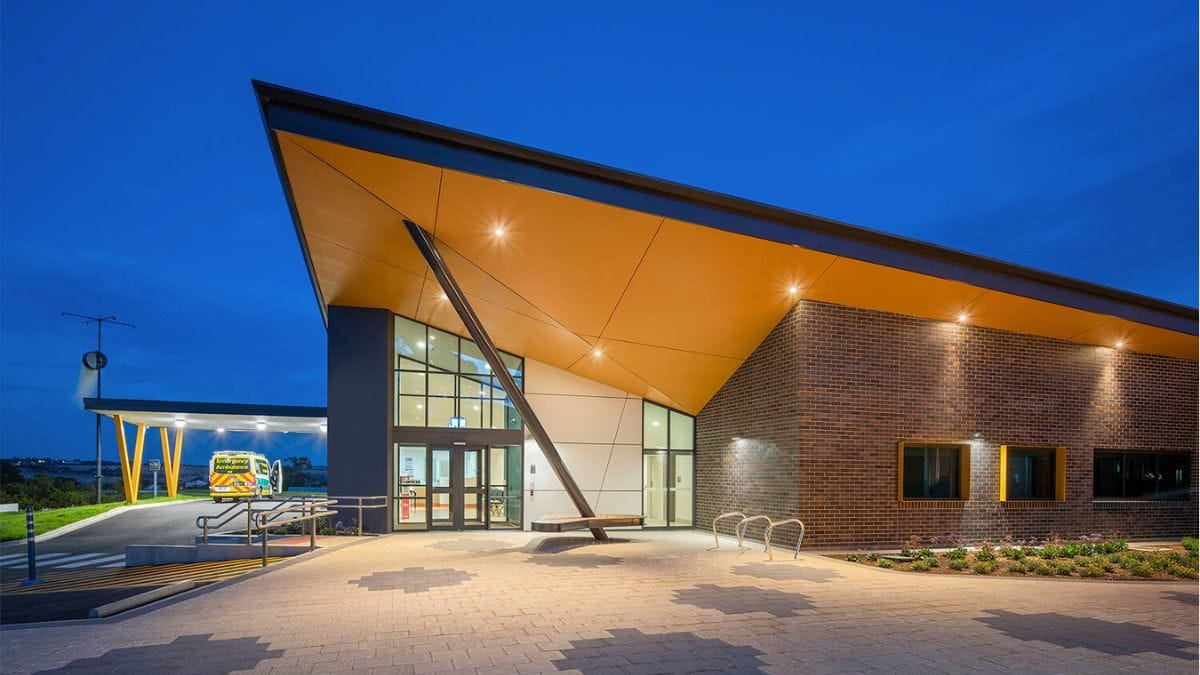
Murray Bridge’s new emergency department is getting plenty of use, for a start.
Emergency department presentations are up by more than 25 per cent since the new one was built just five years ago.
That figure is likely to rise more quickly now that patients will no longer have to pay to visit the ED.
Indeed, the LHN found that Murray Bridge’s hospital was being utilised almost 10% less than expected, perhaps due to “access barriers” such as cost or a lack of transport.
More than 1300 Murray Bridge residents visited emergency departments in Adelaide in 2022-23.
Among the other services patients most often travelled to Adelaide to access were oncology, or cancer treatment; and opthalmology, or eye medicine, along with:
- surgery to treat broken bones, joints and/or urinary issues
- dialysis
- childbirth and other obstetric treatment
- mental health treatment
More than 70,000 people live across the regions covered by the Riverland Mallee Coorong LHN.
The region’s population skews older than the rest of South Australia, with a quarter of residents over the age of 65, and more than half of all hospital visits coming from people in that age group.
Health problems like arthritis, diabetes and heart disease are all more prevalent locally compared with the rest of SA; so are mental health issues and asthma.
The LHN employs almost 1800 health sector workers in Murray Bridge and at Mannum District Hospital, Tailem Bend District Hospital and nine health services across the region.
By the late 2030s, the LHN projected that visits to Murray Bridge’s hospital would go up by almost 38% overall.
Almost 320 extra residential aged care places would be needed across the region by that time, too, most of them in Murray Bridge.
For context, the three existing residential aged care facilities in Murray Bridge – Resthaven, Romani and Lerwin – have about 250 beds between them.
Council continues to push for a new hospital
Meanwhile, on Monday night, Murray Bridge’s councillors voted to continue to lobby SA Health for a new hospital to be built in the rural city.
Cr Clem Schubert proposed the idea, for the second time in two years, saying it was “quite important” that a hospital be built to cope with the population growth expected at Gifford Hill.
Cr Tom Haig said the need was “patently obvious”, and Cr Andrew Baltensperger said he was jealous of Mount Barker’s new hospital.
Among the minority who argued against the idea was Cr Fred Toogood – the expert in the room, given he has sat on the hospital’s board for more than 30 years.
“We have 46 beds at Murray Bridge,” he said.
“The daily (occupied) bed average is about 32, so most of the time there’s 14 beds that are available.”
It might be nice to dream about getting $500 million worth of funding for a new hospital, he suggested, but it just wasn’t necessary at this stage.
However, he agreed work was needed in the maternity ward, which was supposed to have been included in a major upgrade 20 years ago.
- More information: www.sahealth.sa.gov.au.