Independent candidate calls for landline phones in residential care homes
Hammond candidate Lucas Hope is campaigning for child safety in the face of an abuse crisis.
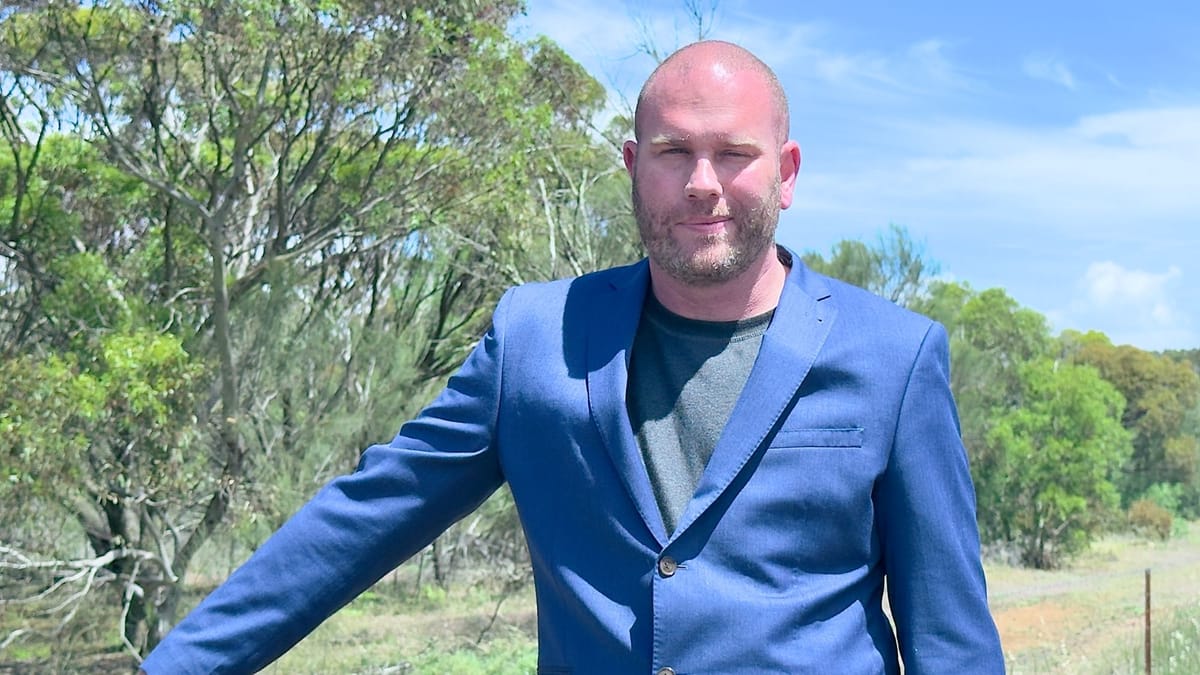
This sponsored story is brought to you by, and was contributed by, Lucas Hope.
As an independent candidate in the upcoming state election, I’m proud to unveil a groundbreaking policy that could transform child safety in our state’s out-of-home care (OOHC) system.
Dubbed “hopeline phones” – no relation to my last name – this initiative would mandate the installation of secure, tamper-resistant fixed-line telephones in every residential care facility across South Australia.
This would be an Australian first, drawing inspiration from established practices in England and British Columbia, Canada, where children’s access to private communication is a protected right to ensure their voices are heard without barriers.
Drawing from my own experiences as a former residential care youth worker and correctional officer, I’ve seen firsthand how silence enables harm.
Children in state care deserve the same basic dignity many of us grew up with: a reliable way to reach out for help, without needing permission from potential perpetrators of abuse and neglect or facing awkward questions by nosy carers.
Currently, children in state care are not allowed unvetted access to phones until they reach the age where they are allowed a mobile phone – an ambiguous age which can differ from child to child.
The alarming reality in South Australia
Nearly 20 years after the Mullighan inquiry uncovered decades of sexual abuse in SA state care, and despite its urgent recommendations, abuse and neglect substantiations are rising again.
Recent data from the Productivity Commission’s Report on Government Services paints a stark picture.
In 2023-24, 4.2 per cent of children in South Australian OOHC were the subject of substantiated abuse or neglect – a rate higher than Western Australia’s 3% and Tasmania’s 1.7%, and marking an uptick from the recent low of 2.9% in 2021-22.
Over the past decade, SA’s figures have fluctuated but remained concerning, peaking at 6.5% in 2018-19.
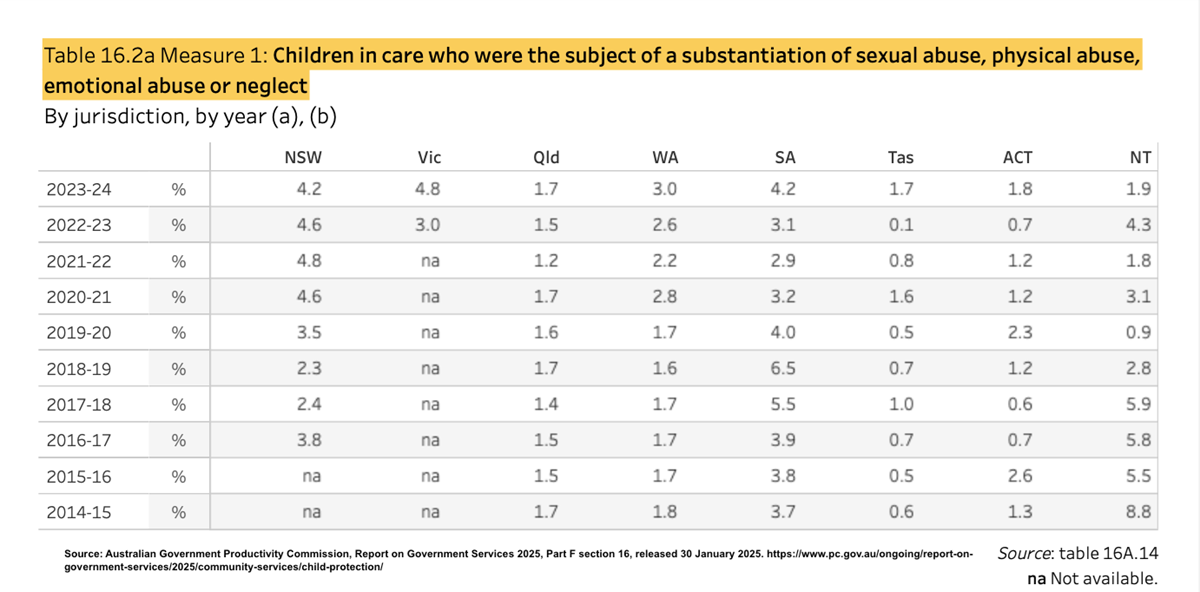
These numbers aren’t just statistics – they represent real children facing emotional abuse, physical harm, neglect or worse, often in environments meant to protect them.
Placement instability exacerbates this, with kids potentially encountering more than 100 carers in their lifetime in care, leading to distrust and increased risks like running away.
The social media ban for under-16s will further isolate them, making safe, independent communication channels essential.
For every 100 kids living in SA care homes or foster homes:
- four to five of them experienced some form of abuse or neglect that was investigated and proven true
- one child in every 25 is still being harmed in the system that’s meant to keep them safe
In contrast, in New South Wales prisons, every inmate is provided with an electronic tablet for rehabilitation, education and family contact.
This is in addition to monthly visits by the Community Visitor.
If prisoners have such advanced tools for connection and self-improvement, why are vulnerable children in care denied a basic fixed-line phone?
This is in no way meant to draw a direct comparison between children in care and inmates in prison.
A simple, life-saving solution
My policy proposes installing robust, wall-mounted phones in common areas of all residential care homes in South Australia – NGO-run or otherwise.
These devices would provide 24/7 access to trusted services like Kids Helpline (1800 55 1800), emergency lines (000), state child protection hotlines, the Office of the Guardian for Children and Young People and Child and Adolescent Mental Health Services (CAMHS).
Optional family or friend contacts could be added post-risk assessment, with priority remaining on the child’s safety.
The policy enshrines children’s right of private access to communication and expressly prohibits adults from denying or obstructing use under almost all circumstances.
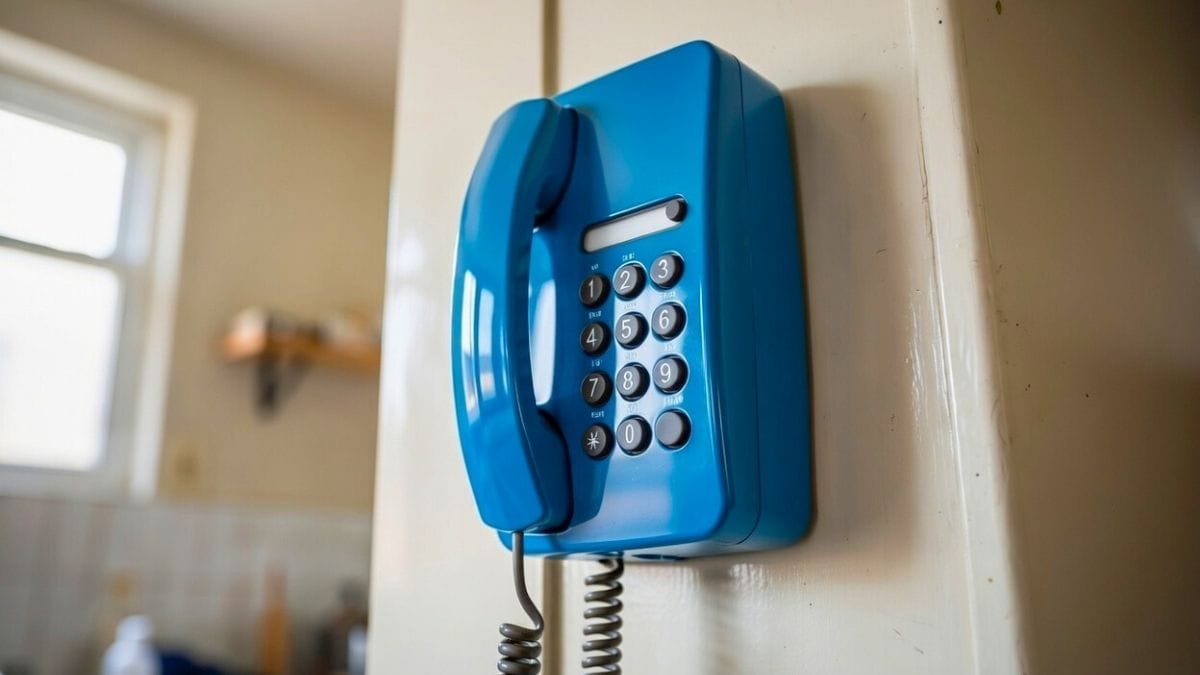
Inspired by military strategy’s “centre of gravity” concept, these phones target the system’s core weakness: silenced voices.
The phones’ visible presence deters neglect, fosters accountability, and empowers children with agency.
In the UK, the Children’s Homes Regulations ensure private phone access as a right, while in Canada, British Columbia’s Residential Care Regulation mandates access to private telephones and helplines in residential childcare facilities.
South Australia can lead Australia by enacting similar protections through dedicated infrastructure.
This isn’t about nostalgia for landlines – it’s about giving kids a voice.
Phones in prisons are standard, and phones are commonplace in all correctional facilities; why not in care homes?
The cost is minimal compared to the potential trauma that may be averted.
A call to action
As an independent, I’m free from party politics to focus on what matters: our kids.
This policy, if enacted, could reduce substantiations, prevent suicides, and break cycles of disadvantage.
I urge all South Australians to join the discussion – contact your MP, share this article, and support real change.
My full research paper, reframing this as the “hopeline initiative” with updated frameworks and draft legislation, is slated for release by January 15.
Together, let’s make silence optional, not the default.
- More information: Visit lucashope.com.au/policy or email admin@lucashope.com.au.
- Read more: Truck driver will run as independent at 2026 state election
Authorised by Lucas Hope, 16 Baker Street, Callington SA 5254.
Advertising to more than 20,000 highly engaged locals can do wonders for your business. Call Jane Intini on 0418 835 768 or email jane@murraybridge.news.
 Peri Strathearn