How to optimise your solar power system during winter
The local experts at Ahrns Electrical can help you make the most of your home's solar panels.
This sponsored story is brought to you by Ahrns Electrical.
As temperatures drop across Australia, many homeowners assume their solar power systems become far less effective.
While winter does reduce generation due to shorter daylight hours and lower sun angles, solar panels can still produce significant energy when systems are set up and managed correctly.
The experts at Ahrns Electrical say that with a few simple adjustments, households can maintain strong solar performance even through the colder months.
Shorter days reduce solar output
The biggest factor affecting solar production during winter is the shorter daylight hours.
In the Murraylands, winter days can be up to 4.5 hours shorter than summer days.
According to data from the Clean Energy Council, solar systems typically produce 20 to 40 per cent less electricity during winter compared to peak summer production.
However, this does not mean solar becomes ineffective.
Solar panels actually operate more efficiently in cooler temperatures, the Clean Energy Council notes.
The main limitation in winter is the reduced number of sunlight hours, not the temperature itself.
Adjust energy usage to daylight hours
One of the most effective ways to optimise solar performance during winter is by shifting household energy use into daylight hours where possible.
The Ahrns Electrical team recommends running high-energy appliances when the system is generating power.
Typical loads that can be shifted include:
- Dishwashers
- Washing machines and dryers
- Pool pumps
- Electric hot water systems
- Electric vehicle charging
Running these appliances between 10am and 3pm allows homes to use solar energy directly, instead of purchasing electricity from the grid during the evening.
Keep panels clean and away from shade
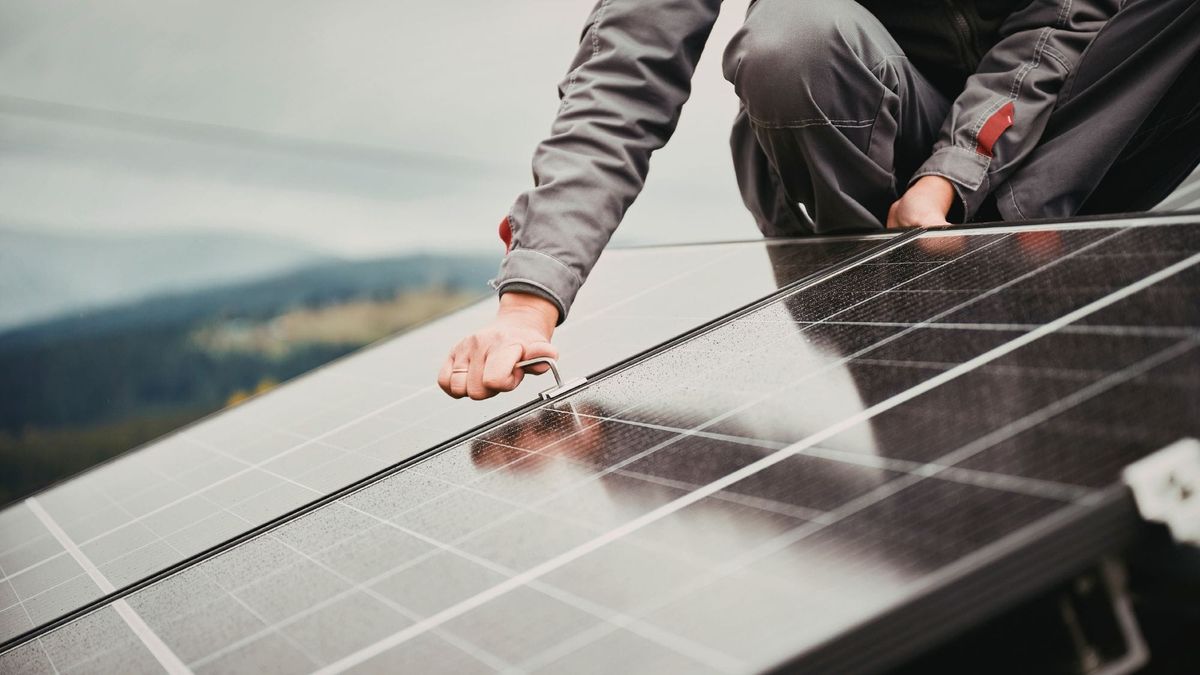
Winter sun sits lower in the sky, which means trees, buildings, and roof structures cast longer shadows.
Even small shadows can significantly impact solar production because many systems connect panels in series.
To maximise winter output:
- Trim nearby trees that may shade panels
- Remove debris such as leaves or dust
- Check for bird droppings or dirt buildup
A dirty solar panel can lose 5-10% of its efficiency, according to research published by the National Renewable Energy Laboratory.
Check your system monitoring
Modern solar systems include monitoring apps that allow homeowners to track performance in real time.
Monitoring helps identify problems such as:
- Inverter faults
- Panels not producing power
- Unexpected drops in output
If winter production appears unusually low, a solar technician can inspect the system to ensure everything is functioning correctly.

Batteries can improve winter efficiency
Homes with solar batteries can store daytime energy and use it later in the evening when solar production drops.
While winter generation is lower overall, batteries still allow households to capture and use the solar energy they do produce, reducing reliance on the grid.
Battery uptake in Australia is growing rapidly.
The Australian Energy Market Operator reports that more than 180,000 home batteries have now been installed nationwide.
Solar still performs in winter
Despite seasonal changes, solar remains one of the most effective ways for Australian households to reduce electricity costs and carbon emissions.
Even during winter months, a properly sized solar system can still cover a significant portion of daily electricity use.
With smart energy habits, regular maintenance, and proper system monitoring, homeowners can ensure their solar investment continues delivering value all year round.
Talk to the local experts at Ahrns Electrical about all your solar needs.
- Contact Ahrns Electrical: Call 0423 197 608 between 9am and 5pm on weekdays, visit ahrnselectrical.com.au or follow Ahrns Electrical on Facebook or Instagram.
Advertising to more than 20,000 highly engaged locals can do wonders for your business. Call Jane Intini on 0418 835 768 or email jane@murraybridge.news.
 Peri Strathearn