Helipad crisis won’t have an easy solution, opposition warns
The Australian Transport Safety Bureau recommends that homes, footpaths and car parks be kept well away from hospital helipads.

This story is now free to read. Help Murray Bridge News tell more stories like this by subscribing today.
Major site works and expensive property acquisitions may be required before Murray Bridge and Mannum’s hospital helipads can reopen, the state opposition suggests.
Both helipads have been out of use since 2024, meaning that the patients in greatest need of urgent care have had to be transported greater distances to alternative landing points.
Both have been upgraded in the past 18 months.
But neither site received a final sign-off from aviation authorities because – in September 2023 – the Australian Transport Safety Bureau changed its recommendation about the amount of clearance required around hospital helipads.
A clear area of 66 metres would allow helicopters to take off and land without injuring nearby pedestrians, it advised.
For Murray Bridge and Mannum’s hospital helipads, that’s a problem.
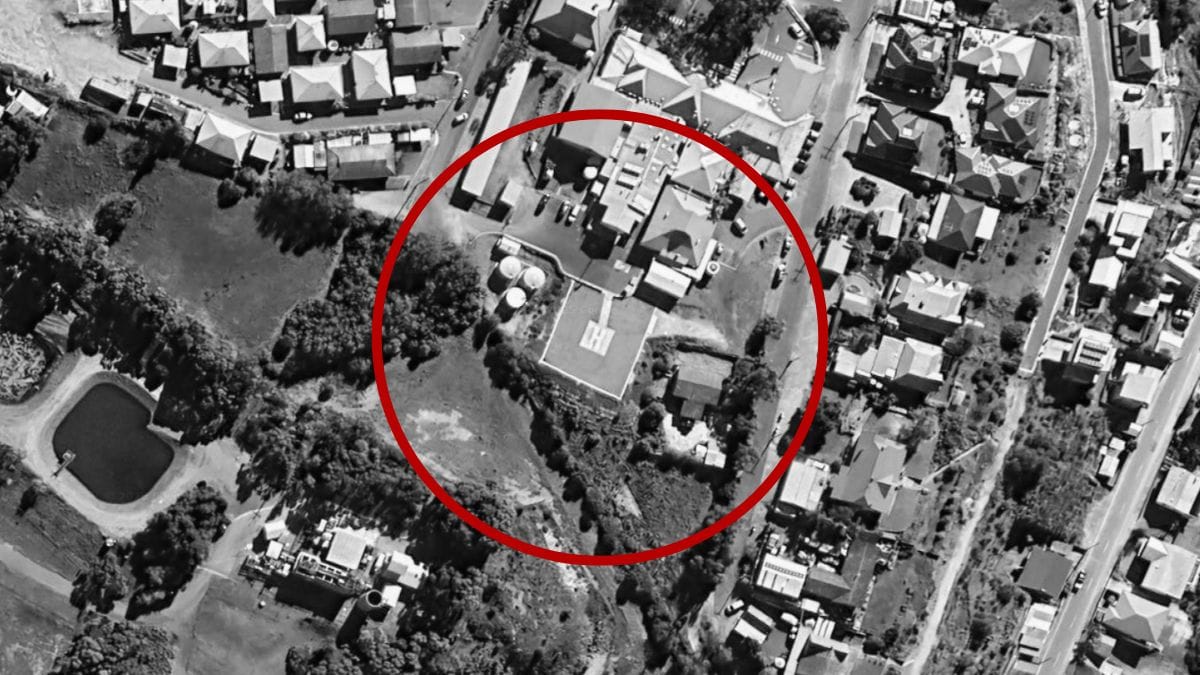
In Murray Bridge, obstacles within 66 metres of the hospital helipad include:
- the main hospital entrance
- the entire Monash Terrace car park
- the footpaths on both sides of Monash Terrace
- parts of five private properties on Joyce Street
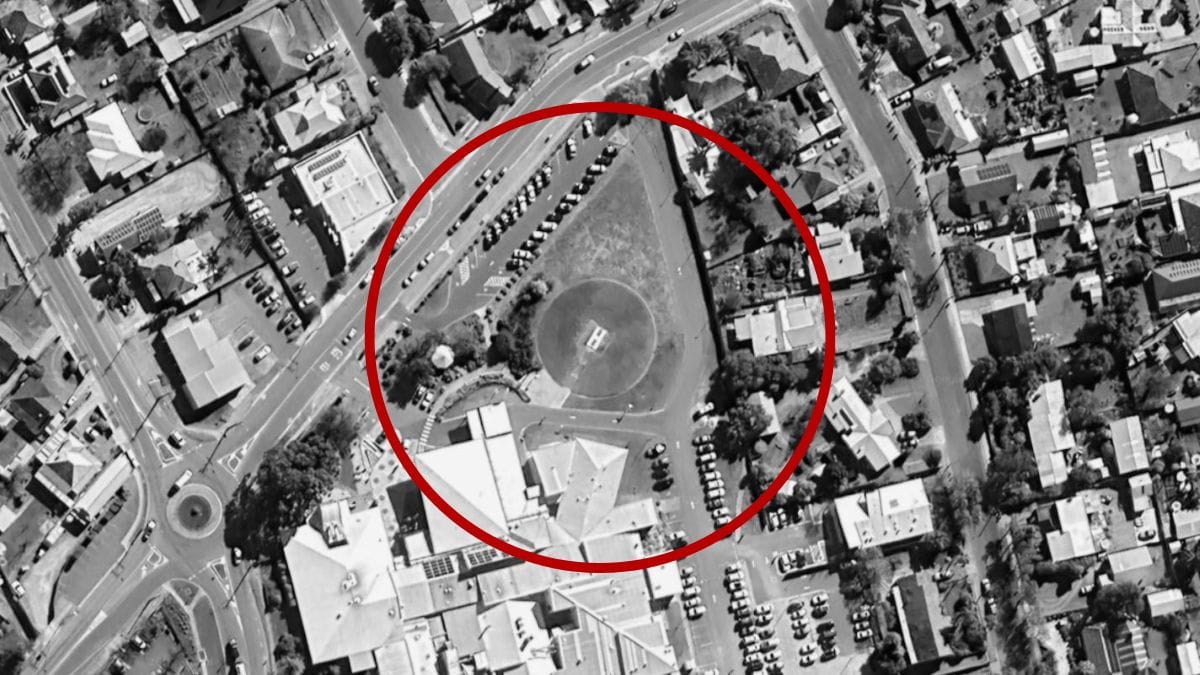
Even if a new helipad could be built above the exact centre of the Murray Bridge hospital, part of the rear car park would have to be closed, and the entrance to Country Health Connect might have to be covered or moved.
State MP Adrian Pederick suggested in Parliament recently that SA Health planned to compulsorily acquire four neighbouring properties to get the work done.
“They forgot about the compliance issues and they have not admitted to it,” he said.
At Mannum, one house on Esmeralda Street sits entirely within the wash zone.
The front of several properties across the street would also be affected.
A 2022 ATSB investigation found that, over a five-year period, six pedestrians had been blown over and injured – some seriously – by wind from helicopters at hospital helipads around the nation.
Three additional cases of property damage were reported in that time, too.
In all of those cases, the helicopter involved was exactly the same model as those used by South Australia’s Medstar service.
According to CASA, an AW139 helicopter generates winds of 40 kilometres per hour – enough to blow someone over – out to a distance of 43 metres.
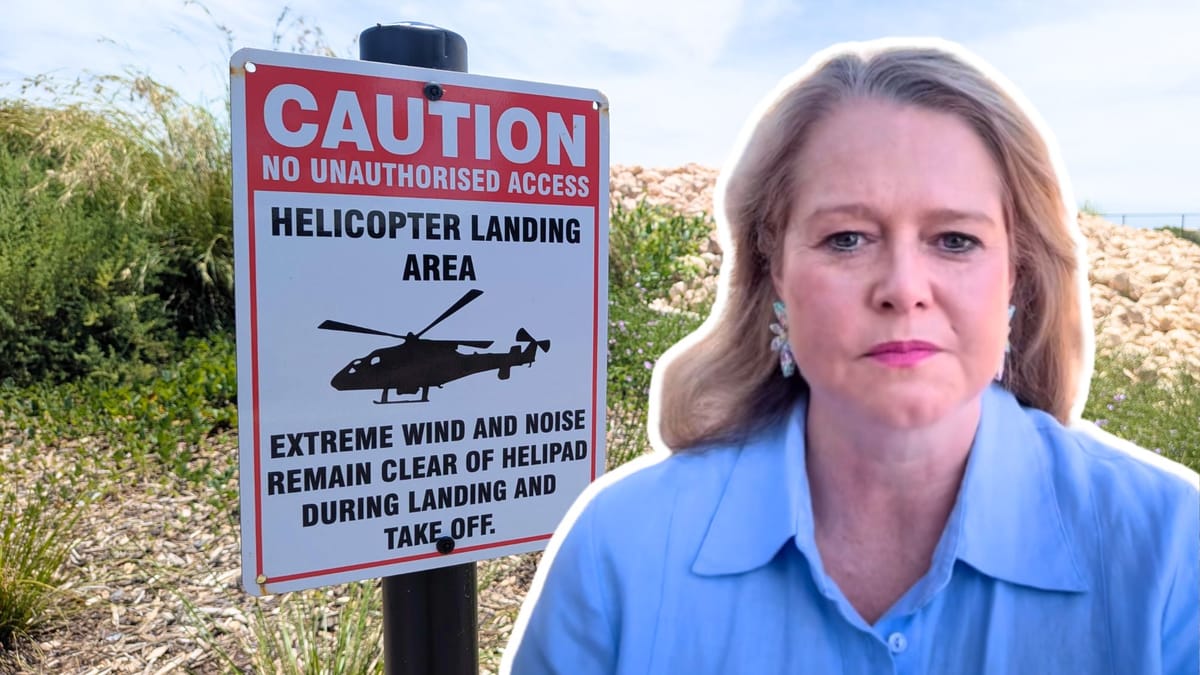
The state opposition’s spokeswoman for regional health, Penny Pratt, said the government should have known about the 2023 rule change before it committed millions of dollars to upgrading the helipads in Murray Bridge, Mannum and 11 other regional communities.
The funding commitment was made in March 2024.
“The fact that no one involved in the design process checked the current recommendations is a huge failure which has the potential to cost taxpayers millions more,” Ms Pratt said.
“I have been pursuing this bureaucratic bungle for four years and it’s clear (the state government) has serious questions to answer, not least of which is how much money have they wasted and when will our helipads be back in operation?”
“The minister must reveal how he plans to enable these helipads to be used.
“Residents and businesses must be told whether they will need to be forced out of these buildings or whether the government will start from scratch.”
In the meantime, Mr Pederick pointed out, patients who were unable to be transported to alternative landing sites were being taken by road-based ambulances, which were already a stretched resource.
“In regard to the ramping crisis, we were told coming into the last election that people should vote for Labor and that their life depended on it,” he said in parliament.
“Look what they have got: they have got hospitals overfull, emergency departments flooded with patients and the ramps clogged up with ambulances.
“It is completely outrageous.”
Clarification: This story has been updated to reflect the fact that the ATSB recommended a 66m clear area, but regulation is a matter for CASA.