Harvest kicks off after a tough growing season in the Murraylands
Plus, the latest crop and pasture report shows the Lower Murray has copped more rainfall deficits and sandblasting than the rest of the state.

This story is now free to read. Help Murray Bridge News tell more stories like this by subscribing today.
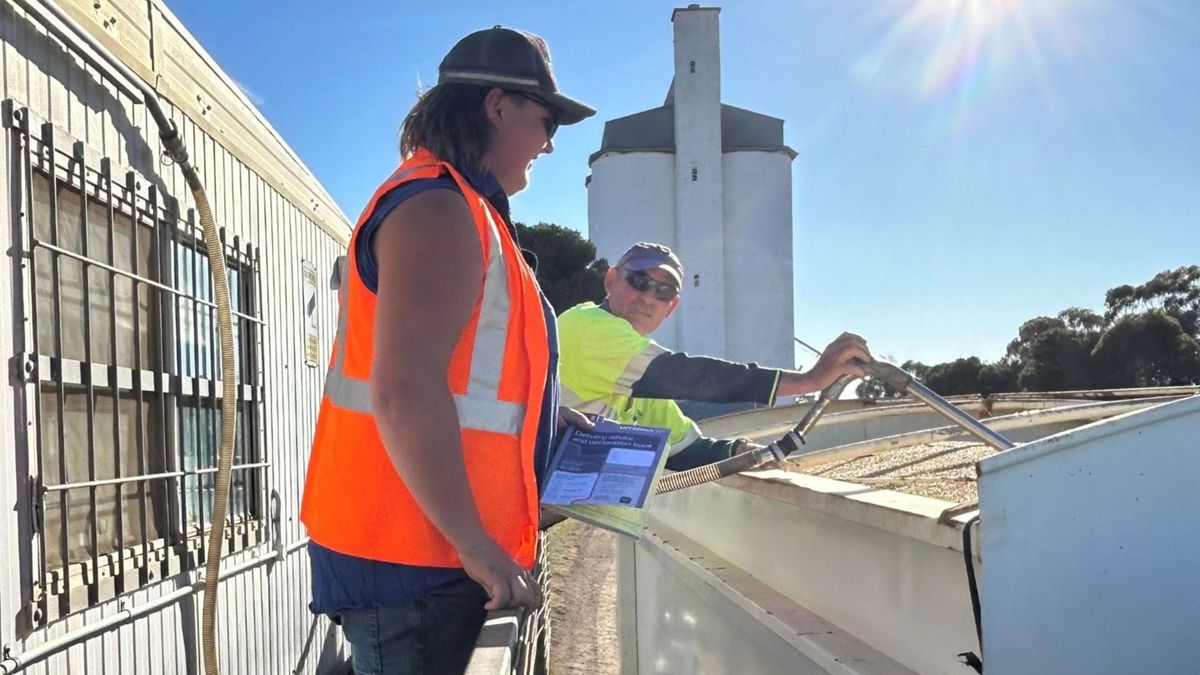
Four Murraylands grain silos have received their first deliveries for 2025 as the harvest season gets underway.
Grain handling company Bunge, formerly Viterra, took in more than 440,000 tonnes of deliveries last week, taking its total harvest deliveries to 839,000 tonnes so far.
Its Monarto South, Tailem Bend, Apamurra and Karoonda sites have all received their first deliveries in the past fortnight.
Bunge spokesman Gavin Cavanagh said barley and wheat were the main commodities to have been delivered around SA over the past week.
Meanwhile, challenges still remain for local farmers, according to the latest crop and pasture report.
The state report from the Department of Primary Industries and Regions (PIRSA) noted that rainfall deficits and sandblasting had damaged crops and exposed sandy soils.
Yield potential had risen to average or slightly above average in many districts, but this was not the case for Murraylands and Murray Mallee zones, with growth remaining constrained.
While still below the state’s five-year production average, the yield rise will be welcome news for the agricultural industry, which endured the lowest rainfall on record over the past 18 months.
Rainfall throughout August and September helped central and southern districts, yet local regions have not recovered in the same way.
Pasture cover remains significantly below average in the Lower Murray, with big feed deficits meaning graziers are still using supplementary feeding.
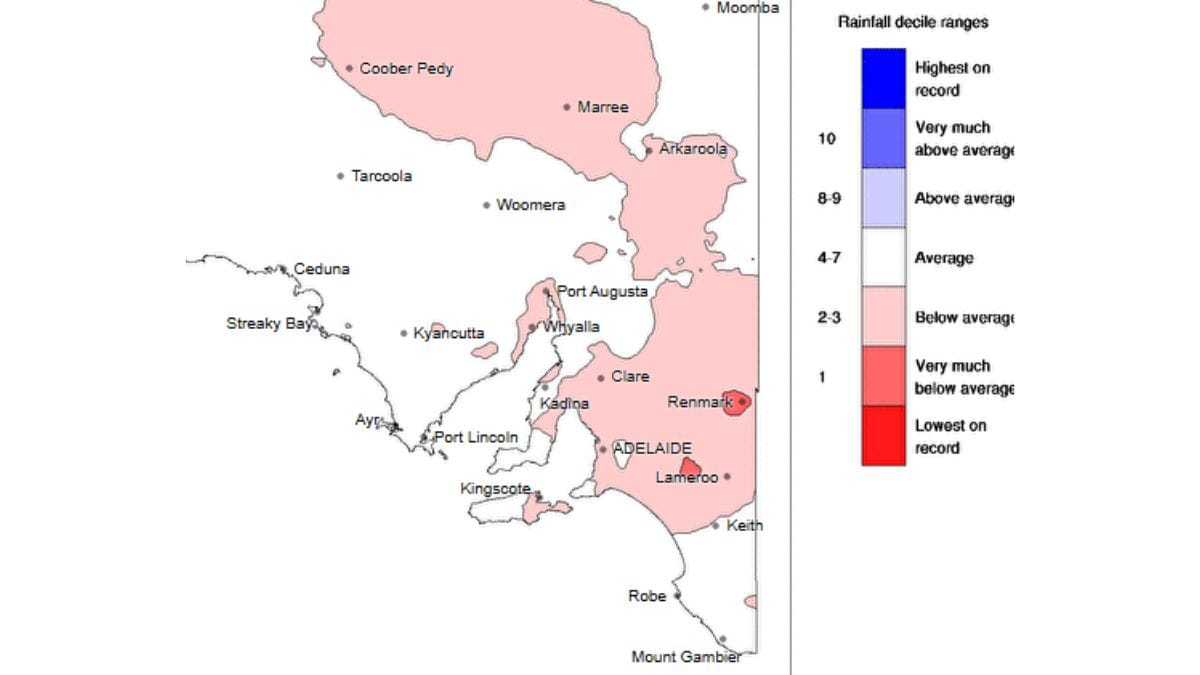
Much like the rest of the state, the Lower Murray region received below-average rainfall this winter.
Livestock producers have reduced stock numbers, prioritising the retention of breeding animals while offloading surplus or non-productive stock.
Grain Producers SA CEO Brad Perry said that while the drought had yet to fully break across South Australia, it was encouraging to see stronger rainfall in recent months.
"Crop development is still running four to six weeks behind in many regions, which means farmers are preparing for a much later start to harvest than usual, and that brings its own set of challenges," he said.
Fortunately, the hot weather forecast during October did not impact crops as much as anticipated, as temperatures were not as high as initially forecast.
The Bureau of Meteorology's forecast for the period from November to January shows average rainfall is expected in most areas.
While some local producers haven't started harvest yet, it has commenced in the Upper North, Adelaide Plains, Upper Eyre and Upper Yorke Peninsula.
- More information: pir.sa.gov.au.