Four public toilets scheduled for replacement in Murray Bridge council strategy
The council is seeking feedback about which facilities need replacing or upgrading in the next five years.

This story is free to read. Help Murray Bridge News tell more stories like this by subscribing today.
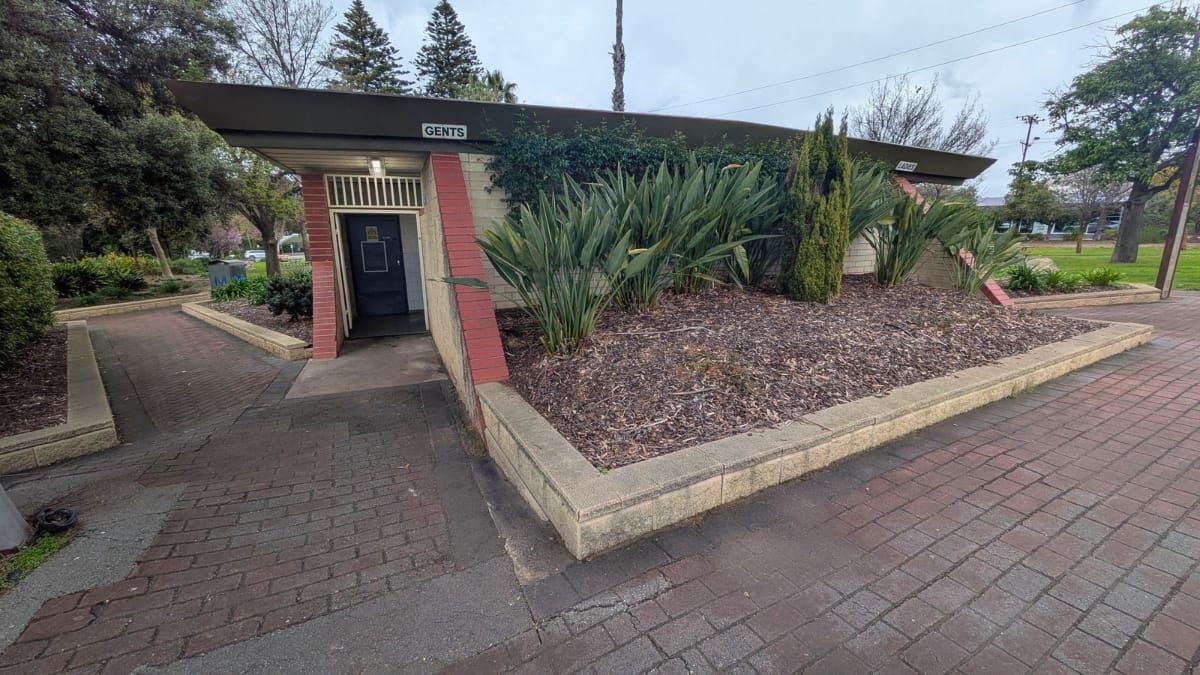
Four public toilet blocks in Murray Bridge need to be replaced or refurbished in the next three years, a council strategy has identified.
The city’s council is currently seeking feedback on a public toilet strategy which will guide its investment in loos over the next few years, including $600,000 in the next 12 months.
At the top of the list are:
- Avoca Dell Reserve, where increasing visitor numbers mean something bigger is needed
- Diamond Park, where facilities are often used and often vandalised
- Johnstone Park, where port-a-loos have been in use since a toilet block was demolished to make way for a new netball court last year
- Sturt Reserve, where work is about to begin on an $8.3 million nature play space
Sturt Reserve’s inclusion on that list came as a mild surprise, as staff had indicated earlier this year that the facility there was only halfway through its life.
However, the council would seek grant funding to help pay for a replacement.
Next on the list, for replacement in the next 3-5 years, are toilets at Baker Reserve at Wellington, the Rambler Football Club, Mypolonga Institute, Swanport Reserve, and Murray Bridge Showground – the ones near the bitumen area used by learner motorcyclists.
Does that sound about right to you?
If you think there are higher-priority projects elsewhere, or that some of the facilities listed above don’t need fixing-up, now is the time to speak up.
“Public toilets are an important part of community infrastructure, supporting residents, visitors, families, people with disabilities and those enjoying our parks, reserves and public spaces,” Mayor Wayne Thorley said.
“This strategy provides a clear framework for how council will plan, prioritise and manage public toilet facilities into the future, ensuring investment is directed where it is needed most.
“Public toilets are one of those items that always attract a lot of attention from our community, and this is why we want your feedback.”
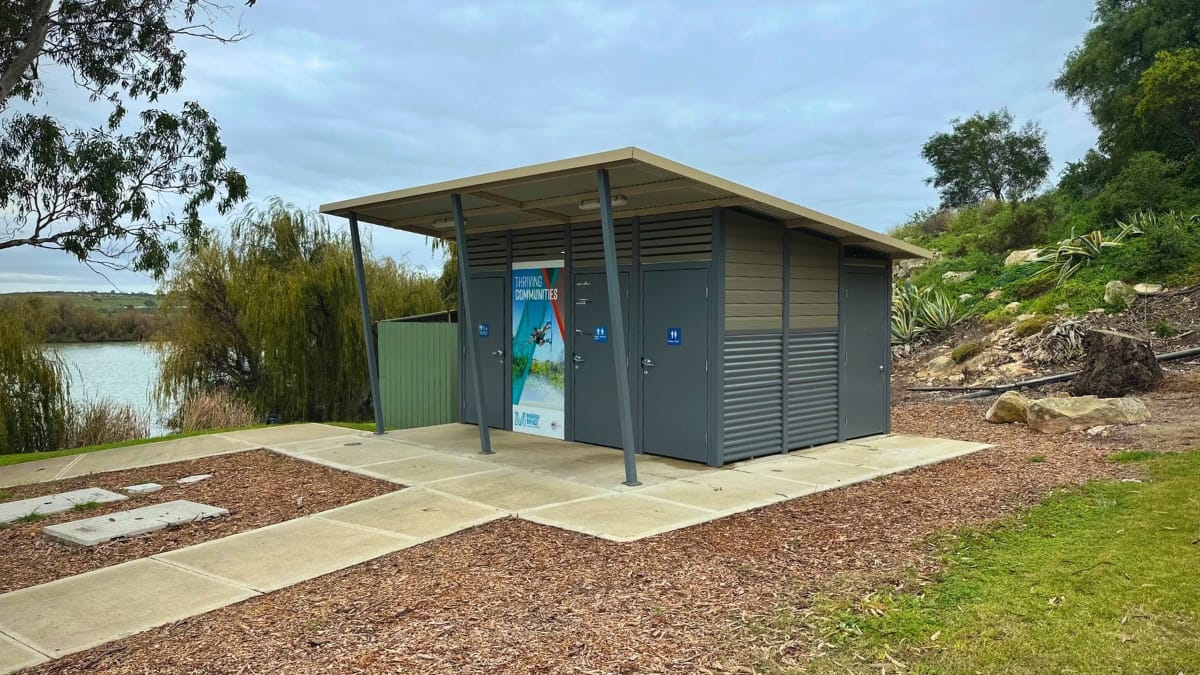
Should toilets be cleaned more often?
At their August meeting, Murray Bridge’s councillors also considered whether the city’s public toilets should be more frequently cleaned.
The council already spends $146,000 per year having toilets cleaned, including daily cleans at 13 locations.
At the urging of Cr Airlie Keen, staff put together a proposal for twice-daily cleaning at some of the busiest public restrooms, which would have cost ratepayers an extra $60,000 per year.
But councillors agreed this month that the cost would not be worthwhile.
It would be better for the council to audit its cleaners and make sure it was getting the level of service it was paying for; and for residents to be encouraged to report any failings.
“Anybody at any time is able to report a problem,” Cr Keen said.
“If you go to a public facility in our council district and there’s a problem – it’s not clean, it’s not serviced, there’s no paper – please take a couple of minutes extra to report that.”
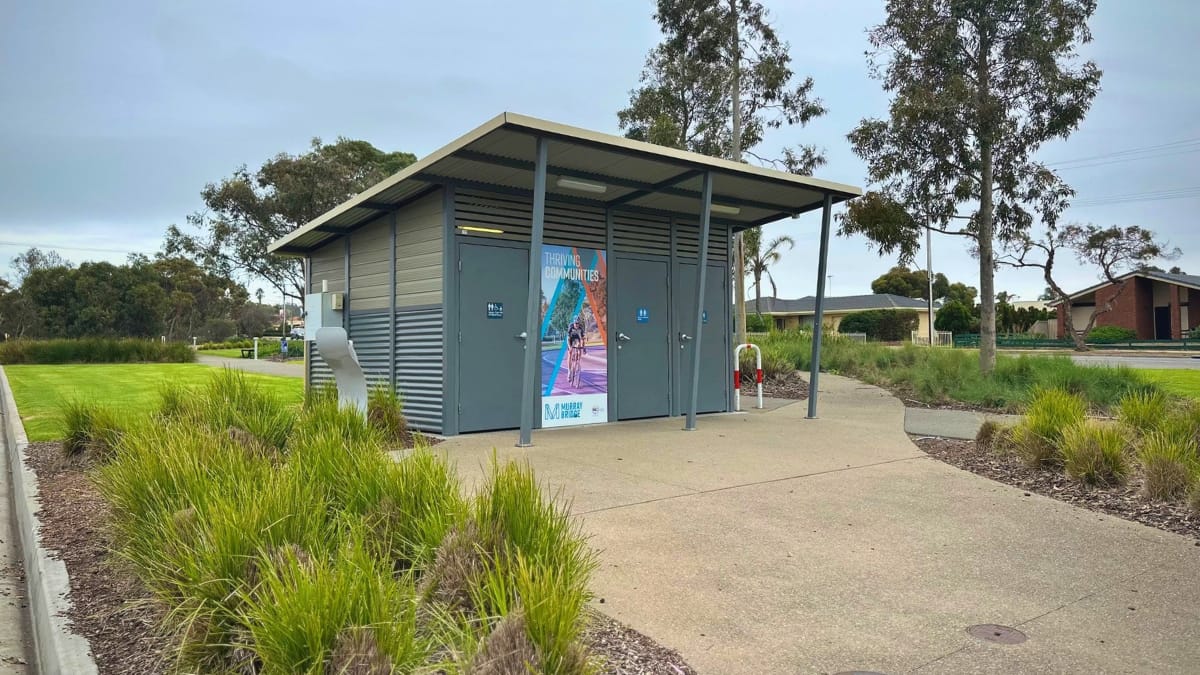
Where are the best public toilets in Murray Bridge?
In case you were wondering, the toilets behind Murray Bridge Regional Rowing Centre were rated as the best in the district in a council audit.
The worst were those at Woods Point, which weren’t used often but needed replacing; and in the livestock area at Murray Bridge Showground, which were likely to be demolished and replaced with port-a-loos on show days.
The council noted in the strategy that it was not legally required to provide public toilets at all.
It had chosen to do so based on community expectations and tourists’ needs.
The council currently owns and operates 38 public toilet blocks, about half of which are in Murray Bridge, with the rest in the surrounding townships.
It has spent about $2 million upgrading public toilets in the past five years, including $370,000 at Le Messurier Oval; $265,000 at the Baden Powell Hall on Sixth Street; $215,000 each at the Adelaide Road cemetery and at Long Island Reserve; and $195,000 at Stone Wall Park, Wellington.
Those upgrades came about as the result of public outrage about the state of the rural city’s amenities back in 2016.
- Have your say: Fill in the survey at murraybridge.engagementhub.com.au/draft-public-toilet-strategy or email council@murraybridge.sa.gov.au by 5pm on September 10.
- Report a problem: Visit citizen.murraybridge.sa.gov.au, call 8539 1100 or email council@murraybridge.sa.gov.au.
- Read more: Public toilets need a wee bit of investment, councillors say