Can your farm dam help conserve a threatened native fish species?
The Glenelg Nature Trust is looking for dams in the Murraylands where it can breed small-bodied native fish.
This story was contributed by Sylvia Zukowski.
Can you help to save a threatened fish species?
If you have a dam or wetland on your property and are happy to have some beautiful small-bodied freshwater fish in there to help support wild threatened populations, the Glenelg Nature Trust and Murraylands and Riverland Landscape Board would love to hear from you.
Small-bodied freshwater fishes are under real threat across the region.
These species have experienced historical declines, which were compounded by the prolonged and extreme Millennium Drought.
The Lower Murray and Lakes region – representing a hotspot for small fishes – was profoundly impacted by the drought, with the significant deterioration and loss of aquatic habitat.
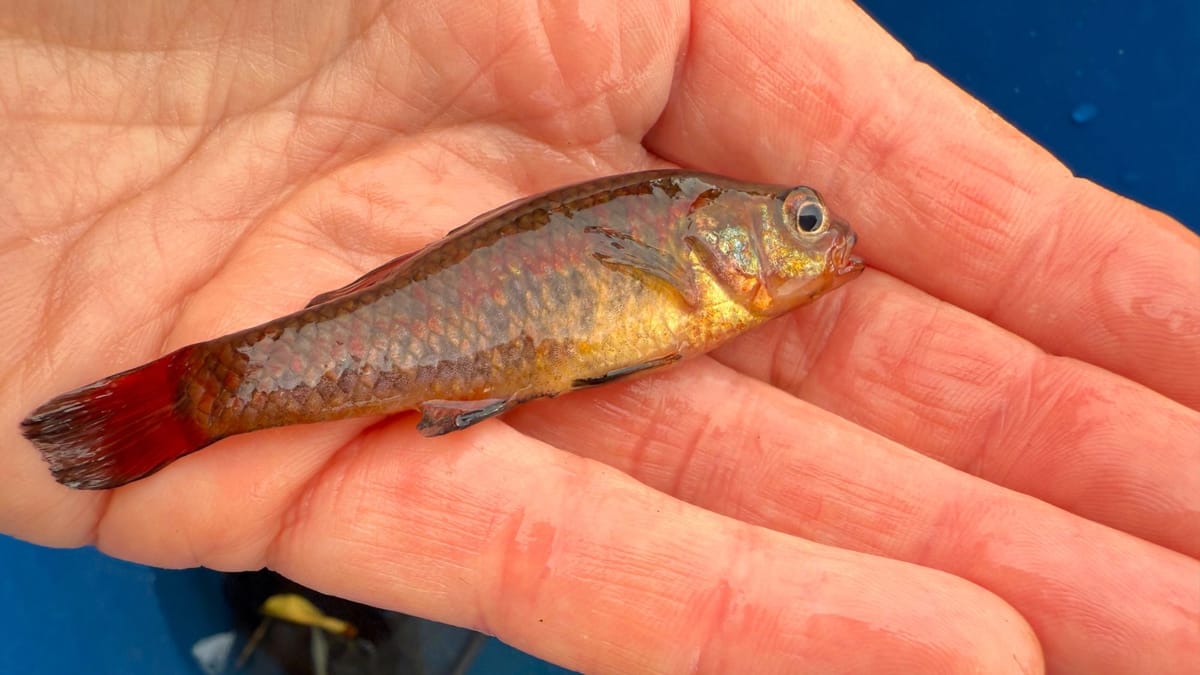
Four threatened small-bodied freshwater fishes – Murray hardyhead, southern pygmy perch, southern purple-spotted gudgeon and Yarra pygmy perch – were significantly impacted, with the latter two species believed to have become regionally extinct and without urgent actions will become forever extinct.
Luckily, fish have previously been rescued and actions are being undertaken to establish a network of backup populations across the region.
Through this breeding and surrogate refuge program, fish have successfully been released back into the wild into their former habitats.
In reality, such conservation actions are necessary to help secure the long-term survival of the four target species in the region.
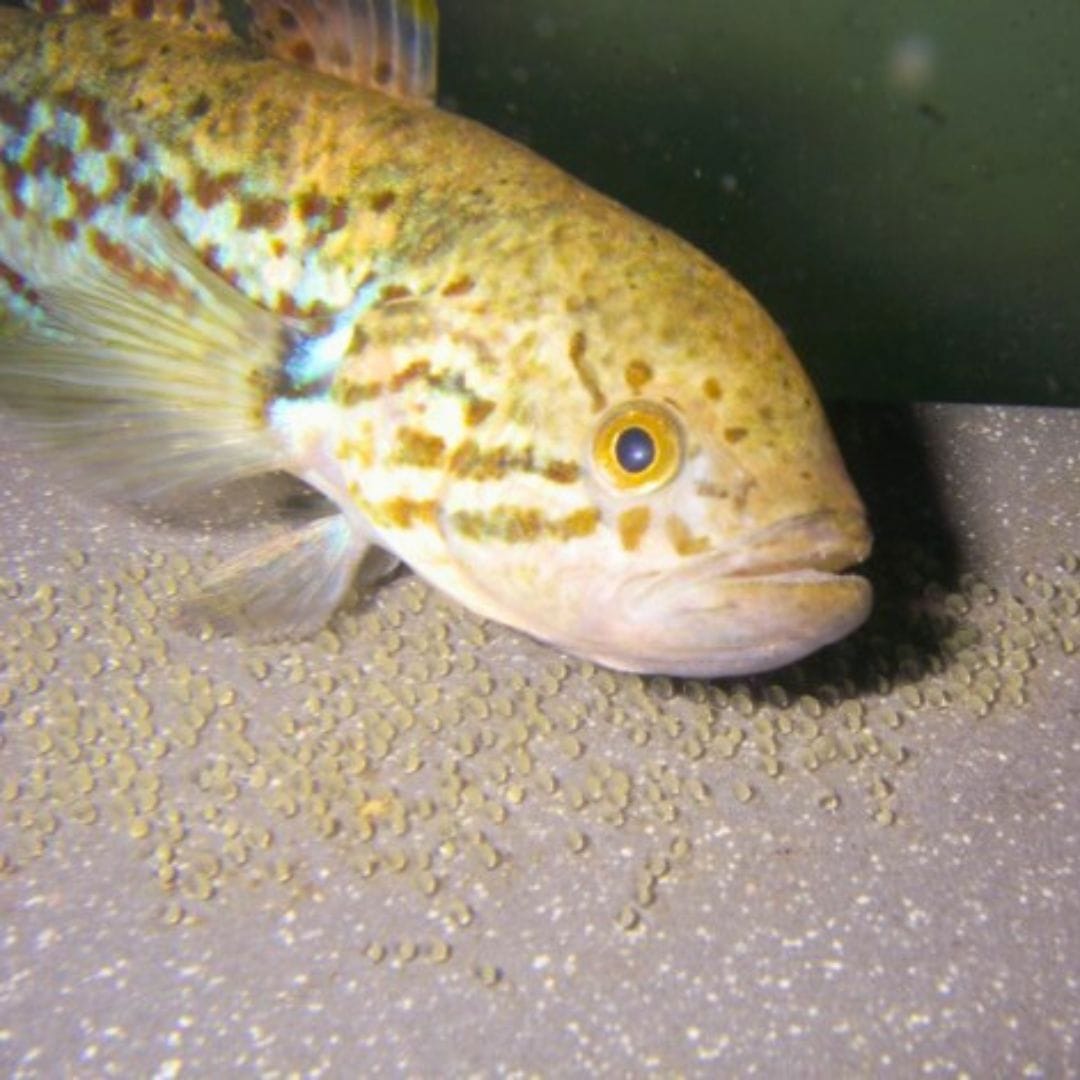
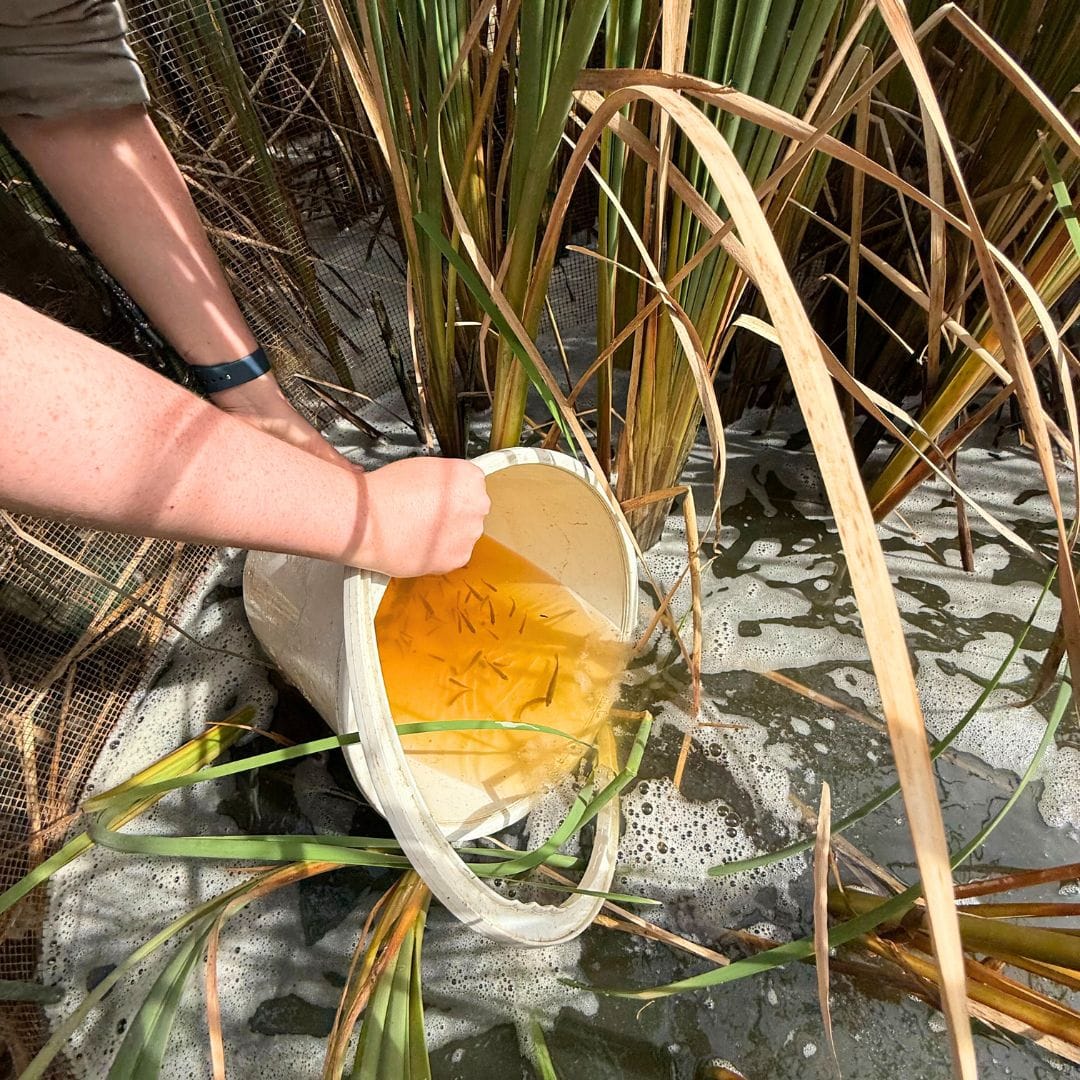
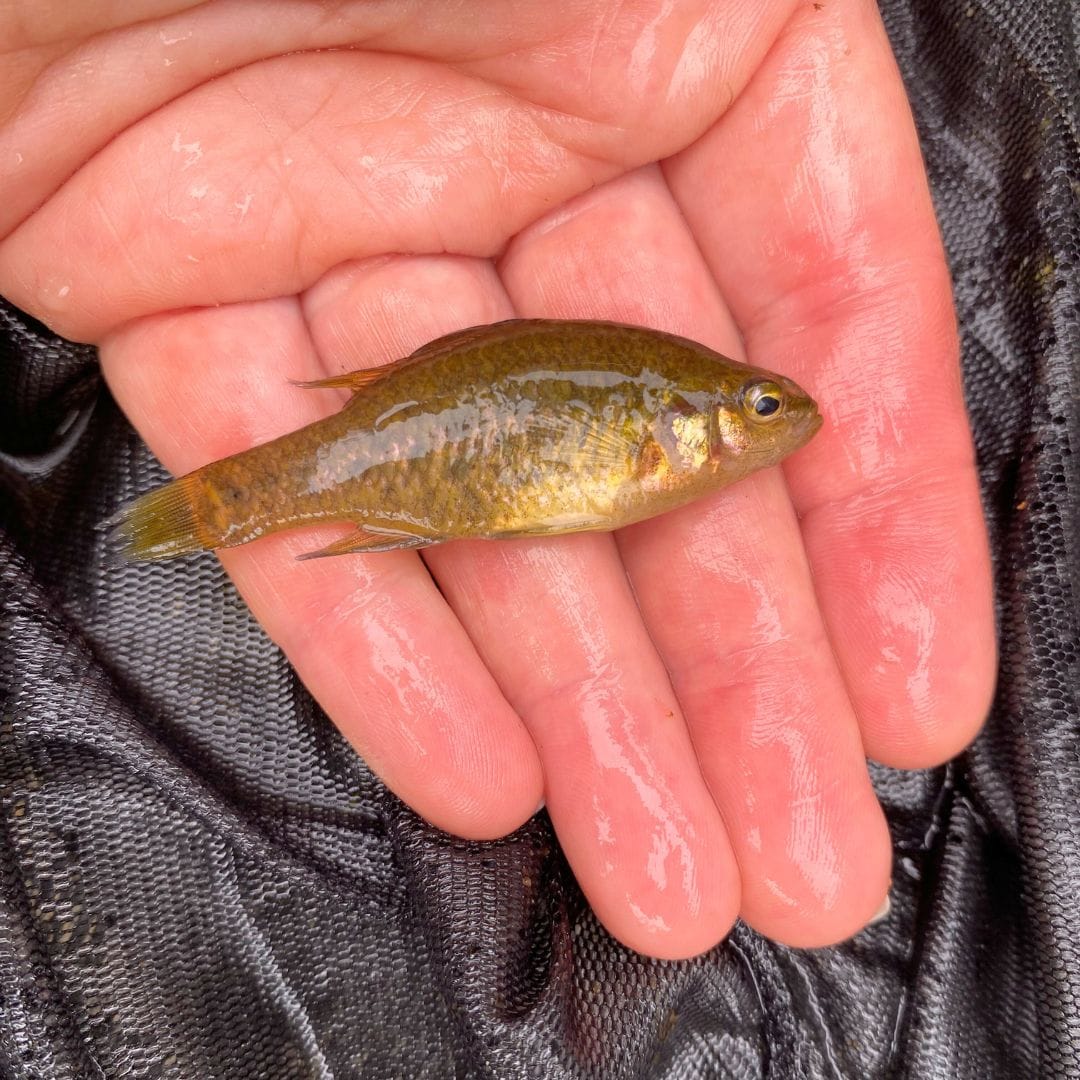
The southern purple-spotted gudgeon, left, and Yarra pygmy perch, right, are also becoming scarce in the wild. Photos: Glenelg Nature Trust.
The two organisations, in partnership with the Big Little Fish committee, are now looking for potential refuge dams in the Murraylands to help ensure the long-term survival of these species.
Ideally dams would be isolated, have permanent water and have some vegetation habitat; however, they can work with you to plant aquatic habitat if required.
The first step would be for someone to come and survey your dam and assess its suitability as a refuge dam.
- Express an interest: Contact Dr Sylvia Zukowski, senior aquatic ecologist at the Nature Glenelg Trust on 0438 815 489 or at sylvia.zukowski@ngt.org.au.