Bird flu case detected at Monarto
The H5 avian influenza sweeping across the rest of the world has been detected in the Murraylands for the first time.

This story is free to read. Help Murray Bridge News tell more stories like this by subscribing today.
A virus currently sweeping through the world’s birds has been detected in the Murraylands for the first time.
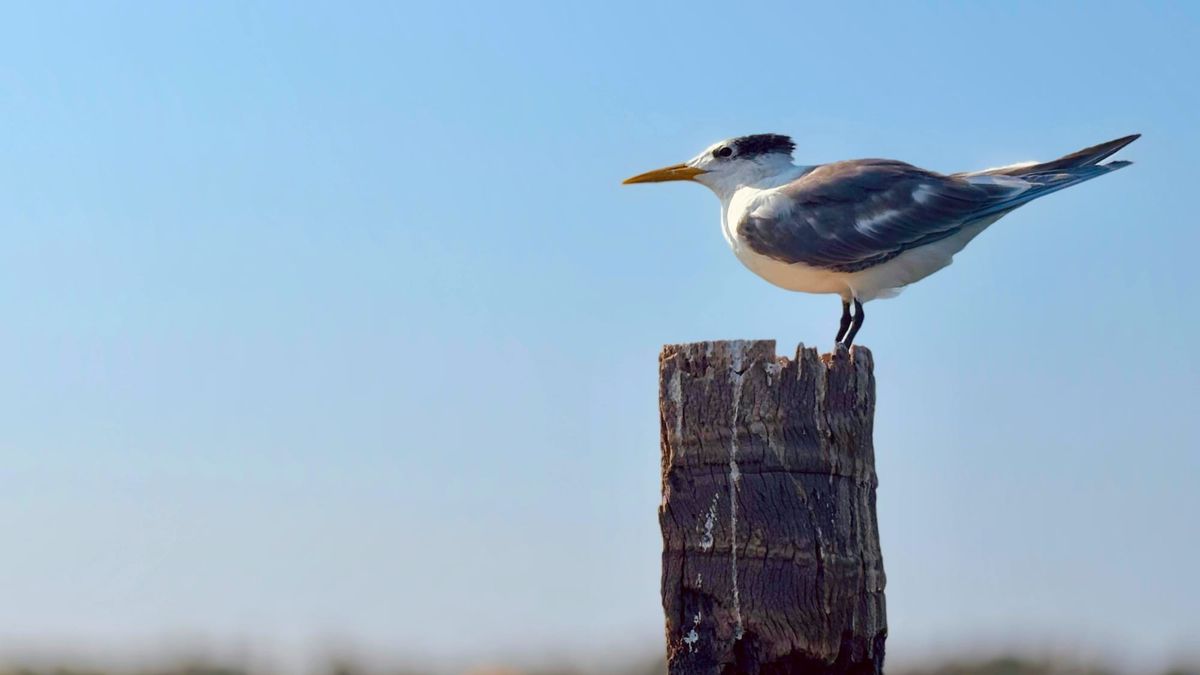
A greater crested tern at Monarto showed up among six suspected cases of H5 bird flu detected on Saturday, according to the Australian Centre for Disease Preparedness.
At the time of publication, 40 birds had been confirmed as having the disease across South Australia, and another 34 suspected cases had been reported.
As the name suggests, bird flu is a virus which mainly affects birds, including waterbirds, birds of prey and poultry.
However, it is sometimes possible for other animals to be affected, including marine mammals, cats, goats, pigs, alpacas or humans.
The H5 strain currently going around is more contagious and deadly than usual, according to the state government.
But there is no evidence that it is able to be spread directly between humans.
Germs are spread through bodily fluids, droppings and feathers; close contact with infected birds; or contaminated water, food, soil or other surfaces.
The government’s advice is to:
- Avoid contact with sick or dead birds and wildlife, and keep pets away
- Record what you see, taking photos or videos if you can
- Report possible disease sightings to the Emergency Animal Disease Hotline by calling 1800 675 888
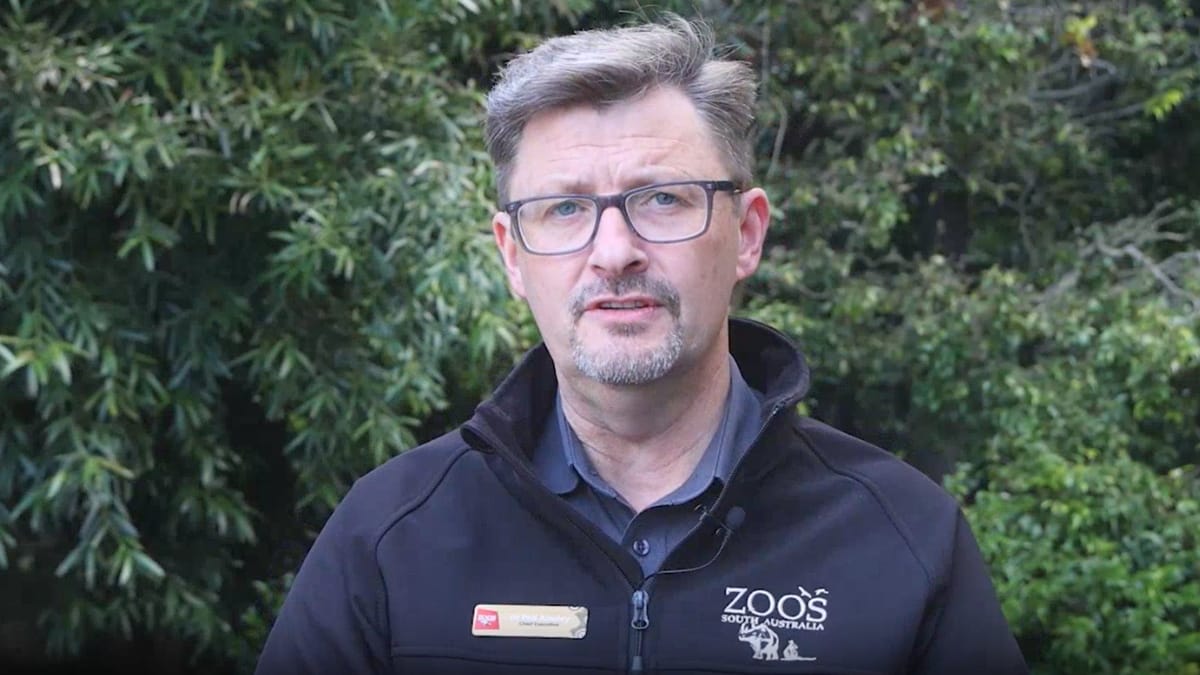
Zoos SA CEO Phil Ainsley said the detection would change nothing at Monarto Safari Park, which remained open and safe to visit.
“We’ve been preparing for the potential arrival of H5 avian influenza for several years, and the precautionary biosecurity measures we’ve already implemented continue to do exactly what they were designed to do,” he said.
“These include bird-proofing habitats for vulnerable species, installing specialised feeding systems that minimise contact between wild birds and animals in our care, constructing additional roofing and shade structures where needed, and using drones to monitor and discourage wild bird activity around our sites.
“Combined with our comprehensive planning and response procedures, these measures mean we’re well prepared and able to respond quickly should the situation change.”
He, too urged people to report any sightings of sick birds, and not to touch them.
“Together, we can all play a part in helping protect South Australia’s wildlife,” he said.
State Primary Industries and Regional Development Minister Clare Scriven said she had been encouraged by South Australians’ vigilance since the first case of H5 bird flu was detected in the state last month.
“Through the combined efforts of public reporting, ongoing monitoring from industry and wildlife experts, and our large-scale aerial and ground coastal surveys, we are ensuring bird flu detections are happening sooner and are less likely to be missed,” she said last week.
“We will continue to engage with industry, the wildlife sector, and the public to ensure they remain informed and prepared to respond to any future detections of H5 bird flu in South Australia.”
- More information: www.birdflu.sa.gov.au.