A million stories shared in Murray Bridge during Refugee Week
The Murraylands Migrant Resource Centre is celebrating the contributions of people from across the globe who have chosen to make our region home.
This story is now free to read. Help Murray Bridge News tell more stories like this by subscribing today.
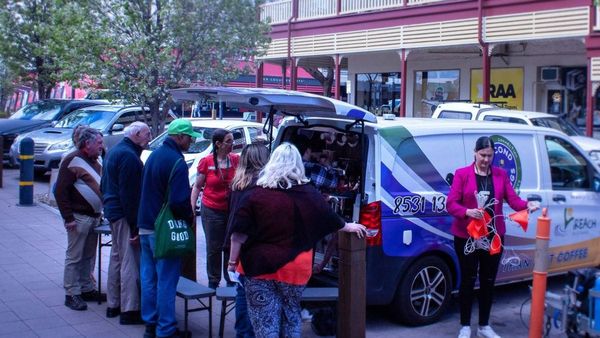
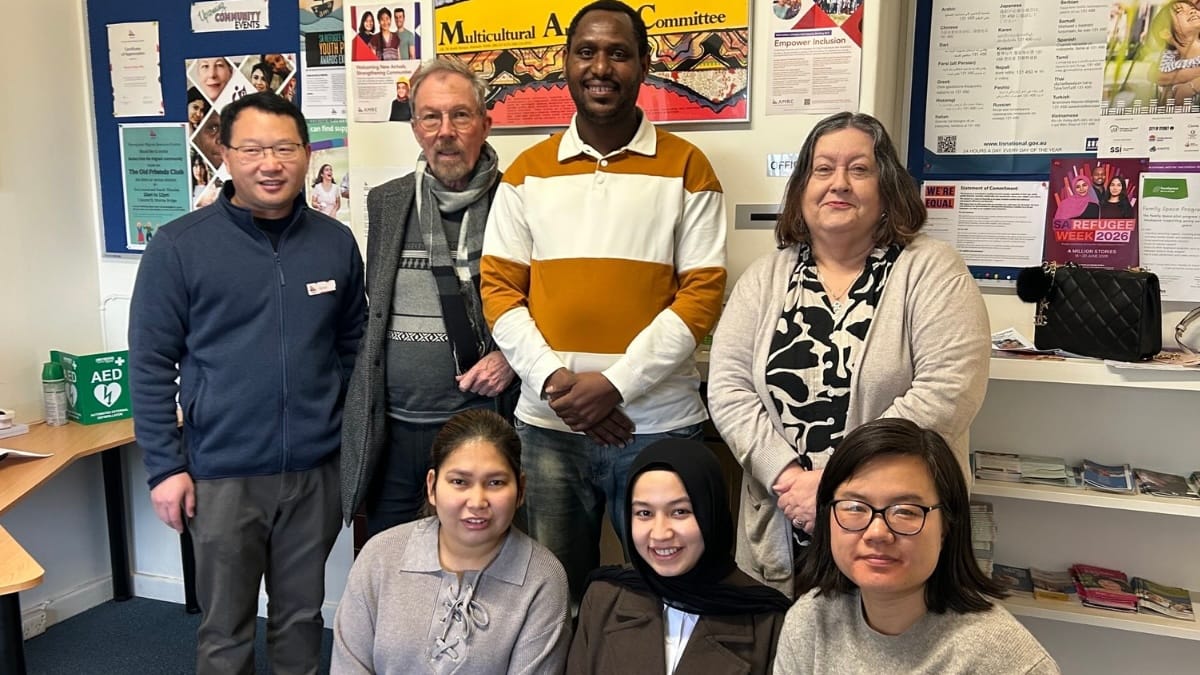
Around 40 people have gathered at the Murraylands Migrant Resource Centre (MMRC) to hear and share stories of their migrant journey in our region, including people from the DC Congo, Afghanistan, Northern Ireland, China, Vietnam, Phillipines, Timor Leste and more.
Centre manager Heather Muirhead opened the event by outlining the contributions of refugees to our community and to our country.
"Refugees come to Australia seeking safety, but bring so much more with them including a myriad of skills, knowledge and culture and a strong desire to build a better future for themselves and their families," she said.
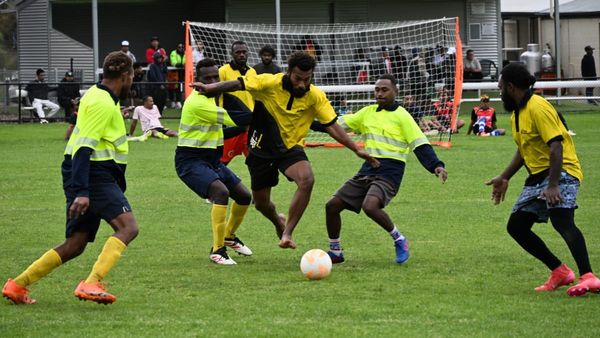
"Refugees are health workers - doctors, nurses, aged and disability support workers - teachers, tradespeople, community leaders, business owners, volunteers and even scored the first goal in Australia's current world cup campaign."
Community services officer Bao Luo explained what constituted a refugee and outlined the overall refugee experience by dispelling a number of commonly held myths about people who sought asylum in Australia.
"Refugees don't choose to leave where they live, they are forced to flee due to war, persecution or violence," he said.
"Many arrive in Australia full of trauma, grief and uncertainty, separated from family, often with interrupted education and need to work hard to rebuild their lives in an unfamiliar place."
According to the United Nations' Refugee Convention, a refugee is any person who is outside of their country of nationality and is unable to unwilling to return because of a well-founded far of persecution due to their race, religion, nationality, membership of a particular social group or political opinion.
In 2025, the UN High Commission on Regugees reported that more than 117 million people had been forcibly displaced, with more than 42.5 million having crossed international boundaries to seek safety.
In 2026, there are close to 20 million refugees who come from just five countries, with Ukraine and Afghanistan accounting for almost half of that number.
Forty per cent of current refugees are under the age of 18.
Australia is part of an international refugee resettlement program and allocates 20,000 places annually.
Our nation has offered a safe place and a new start to around 1 million people since the end of World War II.
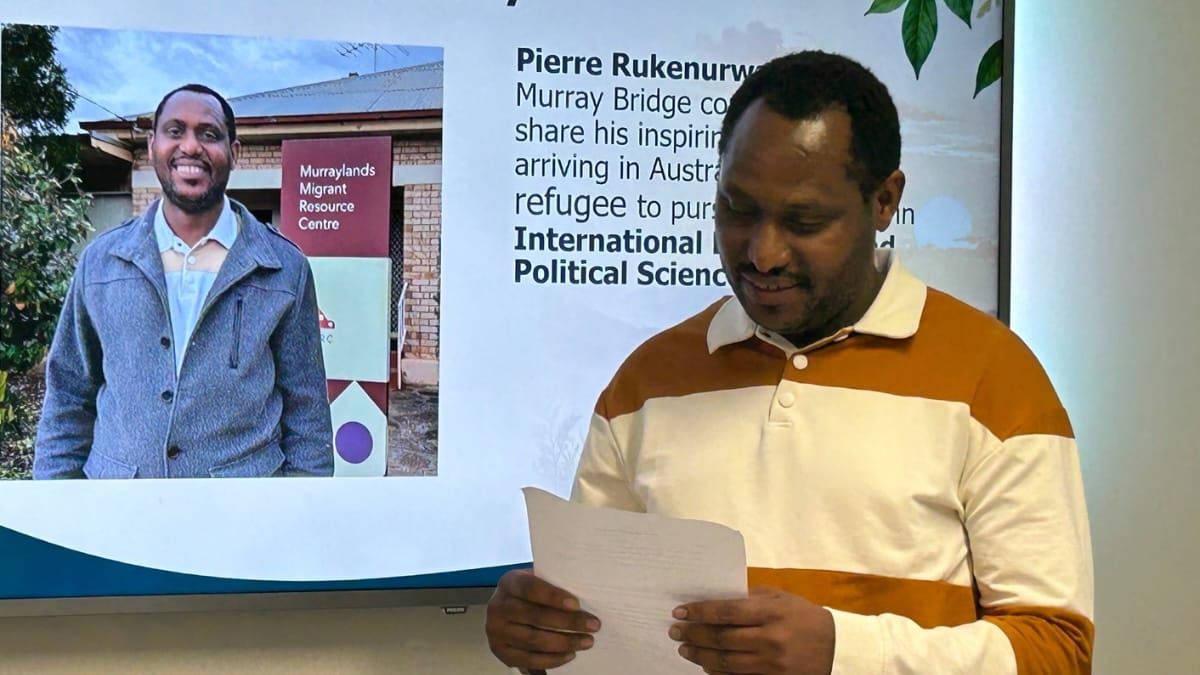
Pierre Rukenurwa and his family was forced to flee the Democratic Republic of Congo in 2003 as a result of the genocide in neighbouring Rwanda.
That conflict spilled over the border, which led directly to an ongoing civil war in the DRC.
He spent seven years in a refugee camp in Rwanda before being granted a refugee visa for Australia and settling in Murray Bridge.
"The Rwandan government were given money to house, educate and feed us but did not treat us well, with local authorities regularly harassing us, almost like a sport," he said.
"The food we were given was regularly full of insects and was often found to have expired use-by dates.
"Being able to relocate has given me peace for the first time in many years and I hope to extend the goodwill and positivity I was shown when I arrived to this community."
Mr Rukenurwa lives in Murray Bridge with his wife and two children and is currently studying international relations and politics in the hope he can give back to this community once he graduates.
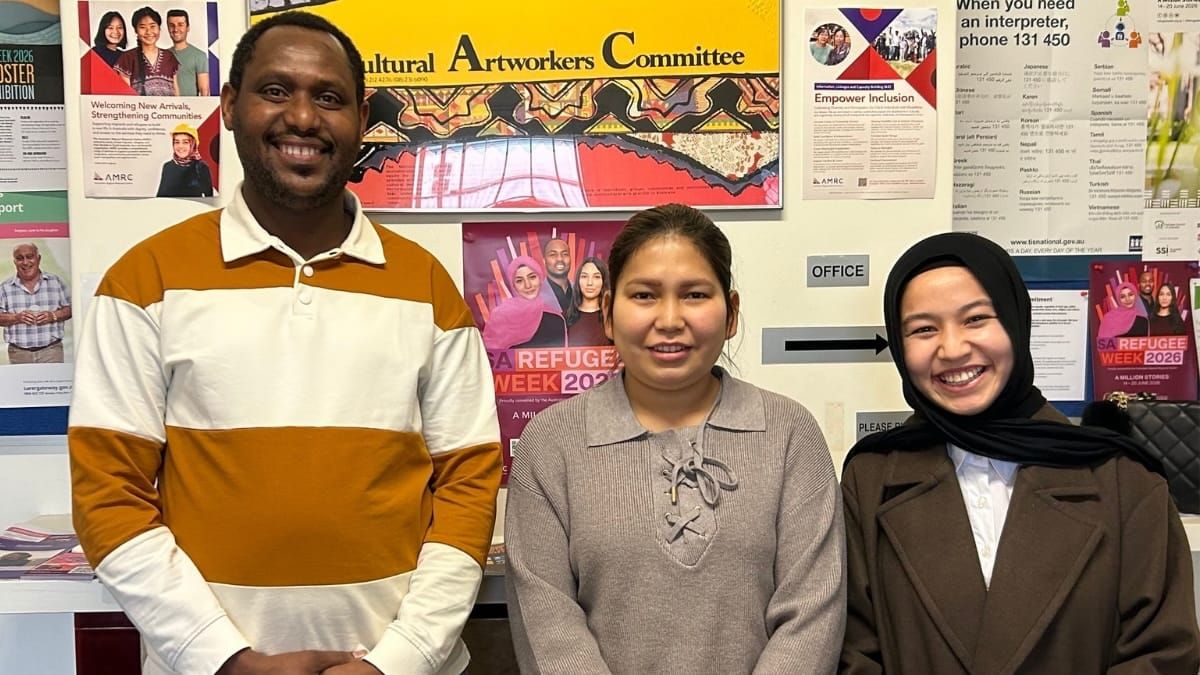
Shabnam and Shaqua and their families were forced to flee Afghanistan after more than 25 years of war and civil unrest, where simply being born female was dangerous.
Even though neither were initially keen to leave, they both felt very happy and fortunate to have made Australia their home in 2020.
Shaqua's father made the decision to give his children the best chance of a new life, with decent education and a supportive community around them, by jumping on a boat and seeking asylum in Australia.
With the help of organisations like Murraylands Migrant Resource Centre and government support, she was able to complete years 11 and 12 and is now studying arts and English at Adelaide University.
Shabnam and Shaqua have found new friends, safety and a future in South Australia.
They both volunteer in the community, help newly arrived refugees and often give talks to school groups outlining their experiences.
- Volunteer: Contact the Murraylands Migrant Resource Centre on 8535 5600 or visit amrc.org.au.